For most healthy adults an acupressure mat is safe to use, and the common side effects are mild: temporary red marks on the skin, a prickly or tingling sensation, warmth, and occasionally light-headedness if you stand up too quickly. Some people should check with their GP first, including anyone who is pregnant, takes blood thinners, has diabetes affecting the skin, or has broken or fragile skin.
Key takeaways
- Red dots or marks after a session are normal and usually fade within an hour or so.
- Start with 5 to 10 minutes over a thin T-shirt and build up gradually.
- Always get up slowly by rolling onto your side first.
- Check with your GP before use if you are pregnant or have a medical condition, a bleeding disorder or reduced skin sensation.
- Never use a mat on broken skin, rashes, wounds, burns or recent scars.
Is an acupressure mat safe to use?
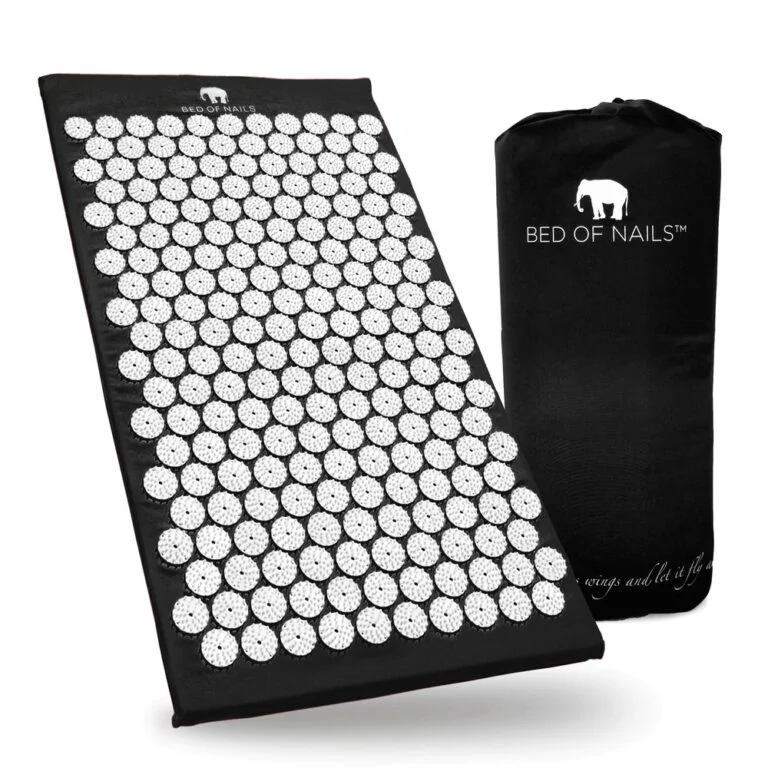
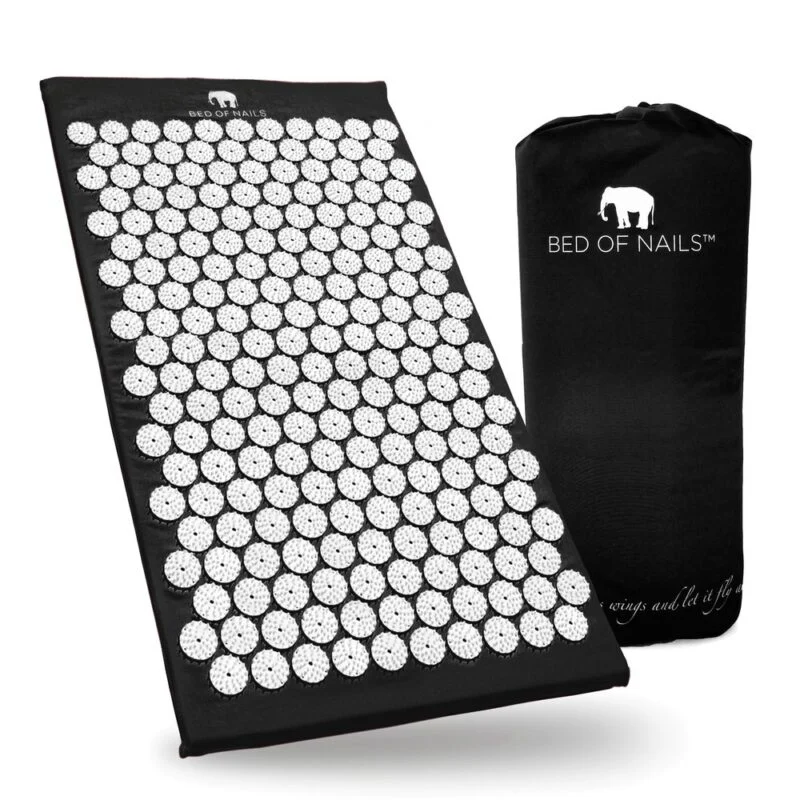
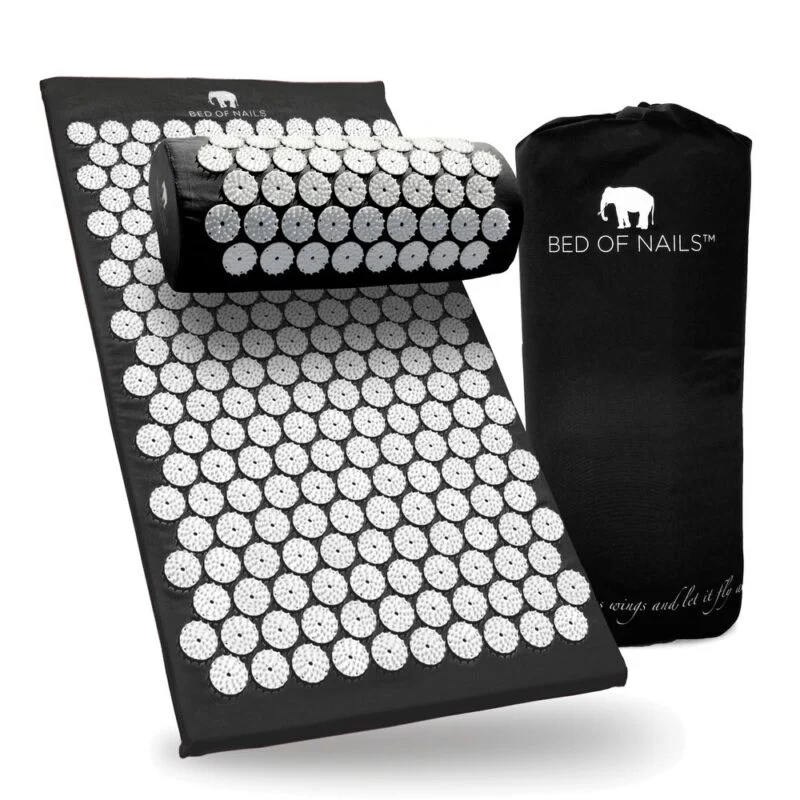
An acupressure mat is a padded mat covered in small, blunt plastic points. When you lie on it, your body weight spreads across thousands of points, so no single point carries much pressure. Used sensibly, it is a simple relaxation tool that many people use daily for years.
Like any product that presses into your skin, though, it isn’t for everyone in every situation. A few minutes reading this guide before your first session will help you start comfortably and know when to give it a miss. If you’re still deciding whether a mat is for you, our guide to acupressure mat benefits sets out what to honestly expect.
What are the common side effects of an acupressure mat?
Most of what people notice is simply the feeling of the points themselves. Here’s what is normal and what to do about it:
| What you might notice | Is it normal? | What to do |
|---|---|---|
| Prickly, intense sensation in the first minute or two | Yes, very common | Breathe slowly; wear a thin T-shirt if it feels like too much |
| Warmth or tingling across your back | Yes, many people enjoy it | Nothing; relax into it |
| Small red dots or a pattern on your skin afterwards | Yes, usually fades within an hour or so | Shorten sessions if marks last much longer |
| Light-headedness when getting up | Occasionally | Roll onto your side, sit for a moment, then stand slowly |
| Itching, soreness or skin irritation that persists | No | Stop using the mat and let your skin settle |
| Broken skin or bruising | No | Stop, and speak to a pharmacist or GP if needed |
Who should avoid an acupressure mat or check with a GP first?
Please speak to your GP or midwife before using an acupressure mat if any of the following apply to you:
- Pregnancy, at any stage.
- Blood thinners or a bleeding disorder, as you may mark or bruise more easily.
- Diabetes, particularly if it affects sensation or circulation in your skin.
- Thin, fragile or easily damaged skin, including from long-term steroid use.
- Low or high blood pressure, or a tendency to feel faint.
- Epilepsy, heart conditions or a pacemaker.
- Cancer, or current cancer treatment.
- Recent surgery, or any area still healing.
- Any ongoing medical condition you are unsure about.
An acupressure mat is not suitable for babies or young children, and it isn’t designed for pets. Store it out of their reach.
Where on your body should you never use an acupressure mat?
Keep the points away from:
- Broken skin, cuts, wounds, burns, sunburn or rashes.
- Recent scars, tattoos that are still healing, or fresh piercings.
- Varicose veins or areas of swelling.
- Your face and the front of your neck.
- Any area that is injured, bruised or sore to the touch.
If you have a skin condition that flares up, use the mat only on clear skin and stop if it seems to irritate it.
How do you start gently on an acupressure mat?
The best way to avoid unwanted side effects is to build up slowly. Here’s a gentle first-fortnight plan:
- Choose a soft surface. Lay the mat on your bed for your first few sessions; the mattress absorbs some of the pressure.
- Wear a thin cotton T-shirt. It takes the edge off the sensation without cancelling it out.
- Lower yourself slowly. Sit on the lower edge of the mat, then roll your back down gradually, using your hands for support.
- Keep the first sessions short. Five to ten minutes is plenty in week one.
- Breathe steadily. Long, slow breaths out help you settle through the first prickly minute.
- Get up the safe way. Roll onto your side, pause for a few breaths, sit up, then stand slowly.
- Build up gradually. Add a few minutes each week until you reach 15 to 20 minutes.
Our step-by-step guide on how to use an acupressure mat goes into more detail on positions for your first sessions.
Is a smaller acupressure tool gentler for beginners?
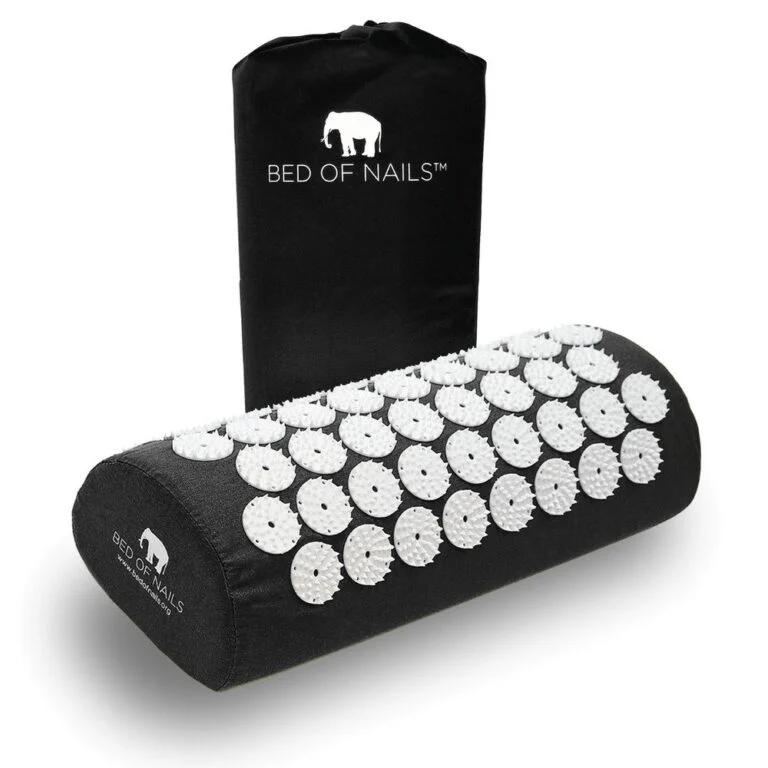
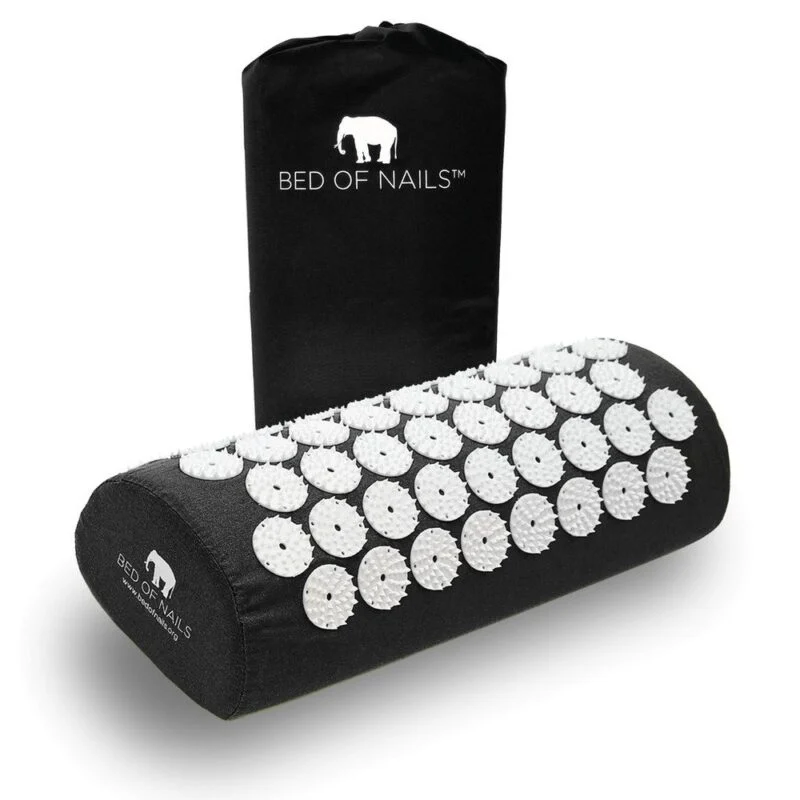
Often, yes. With smaller pieces, less of your body is on the points and it’s easier to control the pressure. The Bed of Nails Acupressure Pillow lets you start with just your neck or upper back, and the Bed of Nails AcuRoller is handheld, so you decide exactly how much pressure to use.
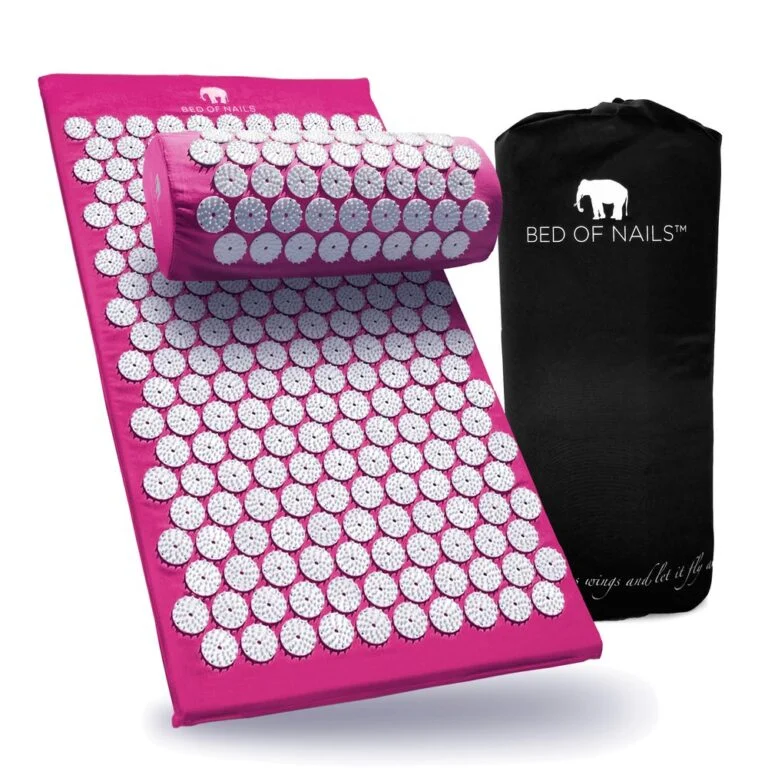
When you’re ready for full sessions, the classic Bed of Nails Acupressure Mat or the Mat & Pillow Set are the natural next step. The pillow supports your neck, which makes it easier to relax and lie still. Our guide on which Bed of Nails to buy compares every option, and you can browse the full Bed of Nails range.
When should you stop using an acupressure mat?
Stop your session and get up slowly if you feel faint, dizzy, sick or unusually uncomfortable. Stop using the mat altogether, and seek advice from a pharmacist or GP if needed, if you notice broken skin, bruising, a rash, or marks that last for many hours.
And remember that a mat is a wellbeing tool, not a medical one. If you’re living with ongoing discomfort, trouble sleeping or stress that affects your daily life, please speak to your GP. If evening relaxation is your goal, our guide to using an acupressure mat to wind down before sleep shows how to use one calmly and safely.
Related reading
- Acupressure Mat Benefits: What to Honestly Expect
- Which Bed of Nails Should You Buy? Mat, Set, Pillow, Strap or Travel
- An Acupressure Routine for After Exercise and Yoga
Frequently asked questions
Why does my back go red after using an acupressure mat?
The red dots or pattern come from the points pressing into your skin while you lie still. It is a normal reaction and usually fades within an hour or so. If marks last much longer, your skin bruises, or you see any broken skin, shorten your sessions, use a T-shirt, and stop if it keeps happening.
Can you use an acupressure mat when pregnant?
Please check with your GP or midwife before using an acupressure mat at any stage of pregnancy. Pregnancy changes your skin, circulation and blood pressure, and lying flat on your back isn’t recommended for everyone later on. Your midwife can advise on what is suitable and comfortable for you and your baby.
Is it normal to feel dizzy after an acupressure mat?
Some people feel briefly light-headed when they stand up after lying still, especially after a longer session. Always roll onto your side first, sit for a few breaths, then stand slowly. If you feel dizzy during a session, or the feeling doesn’t pass quickly, stop using the mat and speak to your GP.
Can an acupressure mat break the skin?
The points are blunt and designed not to break healthy skin when used as directed. The risk rises if you have very thin or fragile skin, press down hard on one spot, or use it on an existing cut or rash. If you ever notice broken skin, stop using the mat and let the area heal fully.
Can I use an acupressure mat if I take blood thinners?
Speak to your GP first. Blood-thinning medicines can make you bruise or mark more easily, so pressure from the points may affect your skin more than usual. Your GP knows your medical history and can tell you whether an acupressure mat is suitable, and whether any precautions would help.