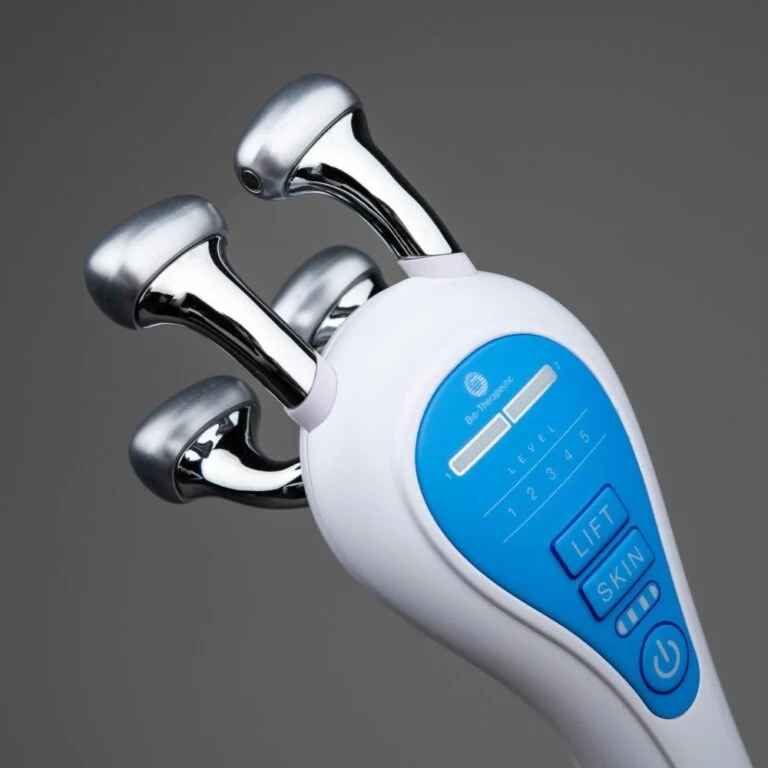
A microcurrent facial at home uses a handheld device that sends a very low-level electrical current across the skin to temporarily tone and lift the look of your face. Done with a conductive gel, a few minutes at a time and consistently, it can leave skin looking more sculpted and refreshed. Results are cosmetic and temporary, so regular use matters more than any single session.
Key takeaways
- Microcurrent is a gentle, low-level current measured in microamps; most people feel little or nothing beyond a light tingle.
- A conductive gel or fluid is essential: without it the current cannot travel across the skin properly.
- Expect a temporarily toned, fresher look after a session, with the best results coming from regular use over weeks.
- It is not suitable for everyone, so check the safety list first, especially if you have a pacemaker, epilepsy or are pregnant.
- A professional-grade home device such as the bt-sculpt GEN2 brings in-clinic technology into a short daily routine.
What is a microcurrent facial?
A microcurrent facial is a treatment that uses a tiny electrical current, far smaller than the current in a TENS machine, passed between two probes as they glide over the skin. It has been used in professional skin clinics for decades and is often described as a workout for the face.
The term “microcurrent” simply refers to the size of the current: it is measured in microamps, which are millionths of an amp. That is why a good session should feel comfortable rather than prickly. If you want the full science, our guide to what microcurrent is and how it works goes into more depth.
At home, the same idea is packaged into a handheld, rechargeable device. You apply a conductive medium, hold the probes against the skin and move them along the face in set directions, usually upwards and outwards.
Does a microcurrent facial at home actually work?
For the right expectations, yes. Microcurrent can temporarily tone and tighten the look of skin, so cheekbones and the jawline may appear more defined and the face can look less tired straight after a session. Many people use it before a meeting or a night out for exactly that reason.
What it will not do is permanently change your face or replace in-clinic procedures. The effect builds with consistency and fades if you stop, rather like the benefits of any regular routine. If you are curious about what is realistic, read our honest look at microcurrent myths.
What do you need for a microcurrent facial at home?
You need three things: clean skin, a conductive medium and a well-made device. Everything else is optional.
- A microcurrent device. Look for one from a brand with professional experience, comfortable probes and clear instructions.
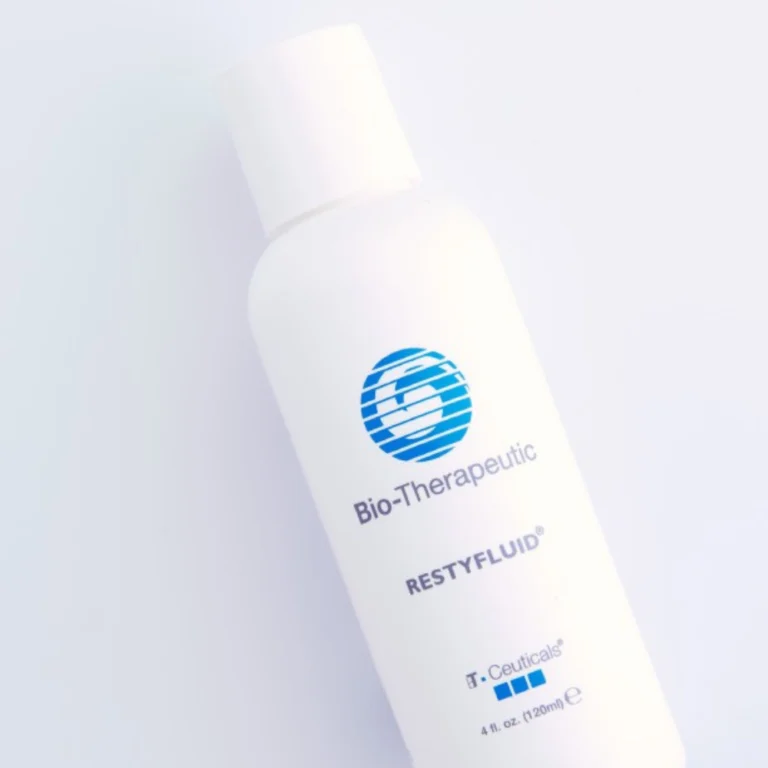
- A conductive gel or fluid. Water-based, hyaluronic formulas work well. Restyfluid doubles as a hydrating toner and a conductive medium for microcurrent devices.
- A gentle cleanser. Oils, balms and heavy creams left on the skin can interfere with contact, so cleanse first.
- A finishing step (optional). A gel masque afterwards, such as the Hyaluronic Collagen Resilience Masque, leaves skin feeling cool and well hydrated.
Why the gel matters so much is explained in our guide to choosing a conductive gel for microcurrent.
How do you do a microcurrent facial at home, step by step?
Every device has its own manual, and you should follow it. The general shape of a session looks like this.
- Cleanse. Use a water-based cleanser and pat skin dry so it is free of oil and makeup.
- Apply a generous layer of conductive medium to one area at a time, such as one side of the jaw. It should not dry out mid-session.
- Place both probes on the skin and glide slowly in the direction your device recommends, usually upwards and outwards, holding where instructed.
- Work area by area: jawline, cheeks, around the mouth, forehead and brows, reapplying gel as you go.
- Finish with a hydrating serum, a masque or simply your usual moisturiser.
For a detailed, device-specific walkthrough, see how to use the bt-sculpt GEN2.
How often should you use microcurrent at home?
Most home devices are designed for short, regular sessions. A common pattern is a few minutes a day, five days a week, for the first month or so, then a few times a week to maintain the look. Always follow the frequency in your manual.
| Phase | Typical frequency | What to expect |
|---|---|---|
| Single session | One-off, a few minutes | A temporarily toned, fresher look that lasts hours |
| First weeks | Most days of the week | Skin may appear more defined and consistent day to day |
| Maintenance | Two to three times a week | Helps keep the look you have built |
Our microcurrent results timeline breaks down what people typically notice over time.
Is a microcurrent facial at home safe?
For most healthy adults, a quality home device used as directed is very gentle. However, microcurrent is not suitable for everyone. Speak to your GP before starting if you are pregnant, have a pacemaker or another implanted electronic device, have epilepsy, have or are being treated for cancer, or have had recent facial surgery, fillers or injectables.
Avoid broken, irritated or sunburnt skin, and never use a device over active breakouts that are inflamed. Our full microcurrent safety checklist covers who should not use it and why.
Which microcurrent device should you choose?
Home microcurrent devices range from simple rollers to professional-grade systems. The questions worth asking are: does the brand have real professional experience, are the probes comfortable on your face shape, and does the device help you keep good skin contact?
Bio-Therapeutic has more than 50 years of microcurrent expertise in clinics. The bt-sculpt GEN2 microcurrent device uses a self-tensioning K4iTEK probe system, four independently controlled energy pathways and Suzuki Sequencing from the same technology family as the brand’s in-clinic devices. It also gives you auditory feedback, so you know when the probes have proper contact. It was named Best Microcurrent Device in the NewBeauty Awards 2026.
The original bt-sculpt GEN1 remains a strong option with True Microcurrent, Suzuki Sequencing and ergonomic probes. Not sure which to pick? Our bt-sculpt GEN1 vs GEN2 comparison sets them side by side, and our round-up of the best at-home facial devices matches devices to skin goals.
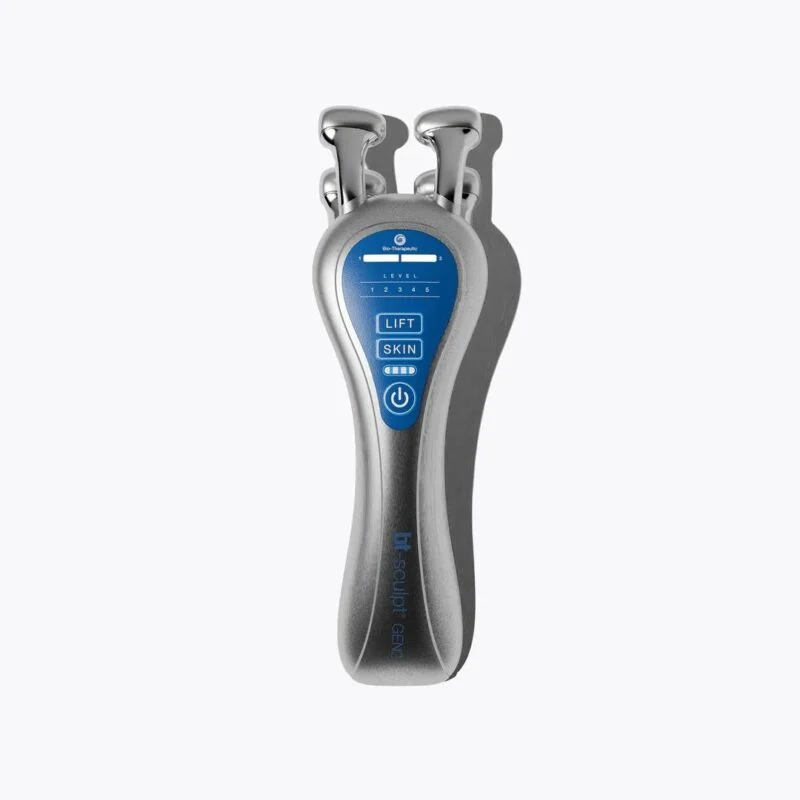 Bio-Therapeutic bt-sculpt GEN2 Microcurrent Facial Sculpting System£427.95 VAT inc.
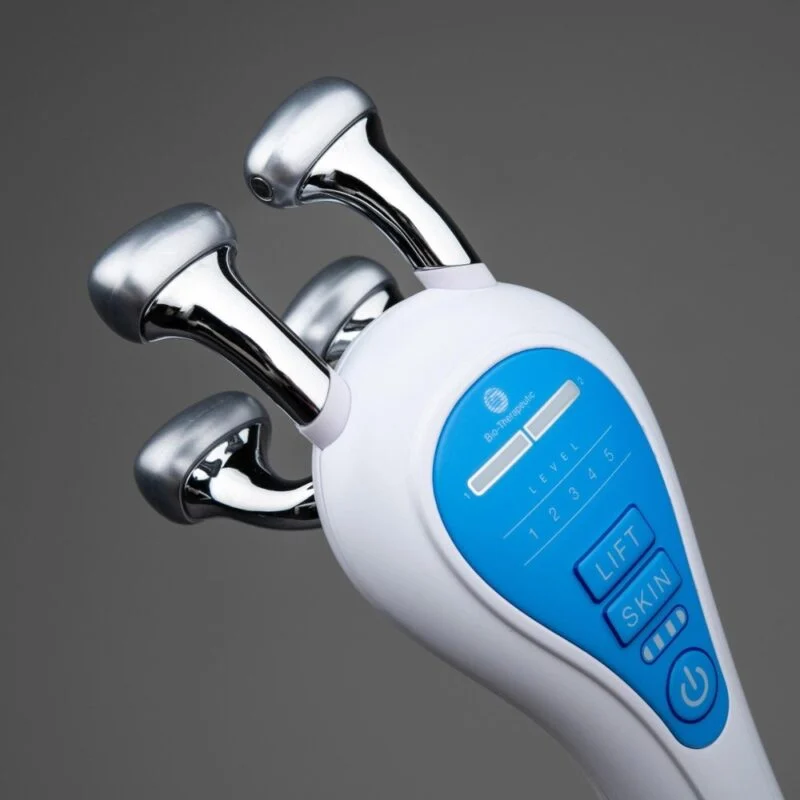 Bio-Therapeutic bt-sculpt (GEN1) Microcurrent Facial Sculpting System£334.95 VAT inc.
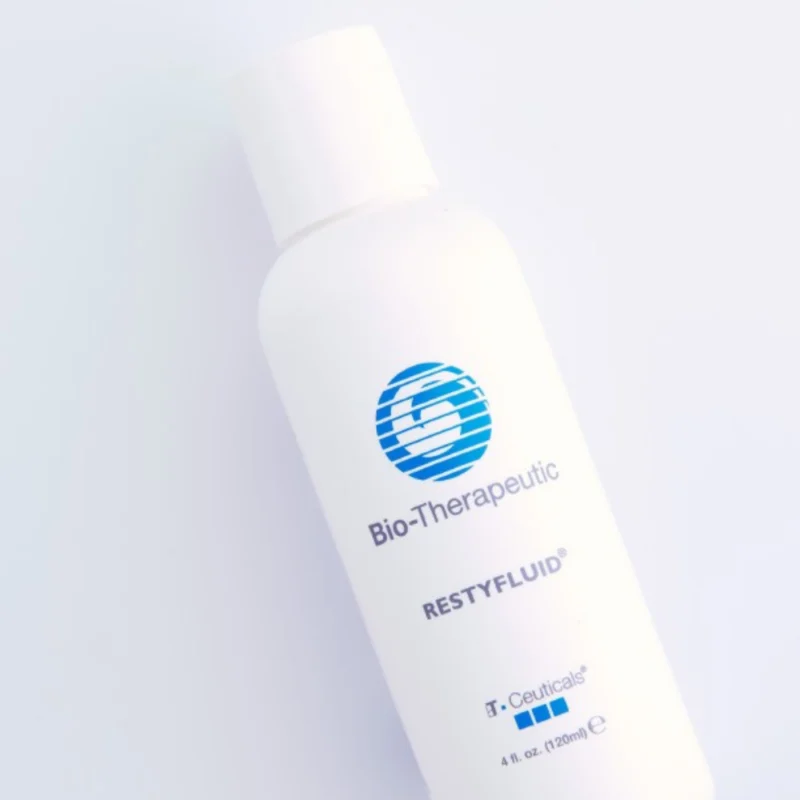 Bio-Therapeutic bt-ceuticals® Restyfluid£55.60 VAT inc.
 Bio-Therapeutic Hyaluronic Collagen Resilience Masque – Box of 8£70.00 VAT inc.
You can browse the full range of devices, serums and masques on our Bio-Therapeutic page.
Related reading
- How to Use the bt-sculpt GEN2: Step-by-Step Routine
- Why Microcurrent Needs a Conductive Gel (and What to Use)
- Who Shouldn’t Use Microcurrent? Safety Checklist Before You Start
- bt-sculpt GEN1 vs GEN2: Which Microcurrent Device Should You Buy?
Frequently asked questions
Does microcurrent hurt?
A microcurrent facial should not hurt. Most people feel nothing at all or a faint tingle, and some notice a metallic taste when working near the mouth, which is commonly reported and usually nothing to worry about. If you feel a sting, it usually means the gel has dried or the probes have lost contact, so add more conductive medium and keep both probes flat on the skin.
Can I use microcurrent every day?
Many home devices are designed for short daily sessions, especially in the first few weeks, but the right frequency depends on the device. Follow the schedule in your manual and give your skin rest days if it feels sensitive. Consistency over weeks tends to matter more than long or very frequent sessions, so a sustainable routine is the best routine.
Can I use microcurrent with a retinoid or acids?
Yes, but not on the same evening if your skin is feeling sensitised. Retinoids and exfoliating acids can make skin more reactive, so use microcurrent on a different night or in the morning, and avoid any area that is red, flaking or stinging. Always apply the device over a conductive gel, not over an active serum.
Can men use a microcurrent facial device at home?
Absolutely. Microcurrent works on any skin, regardless of gender. Facial hair can make it harder for the probes to keep contact, so use a slightly thicker layer of conductive gel over beard areas, or focus on the forehead, cheekbones and areas above the beard line. Clean-shaven skin gives the most consistent contact.
How long does a microcurrent facial at home take?
A typical home session takes only a few minutes for the whole face, plus the time it takes to cleanse and apply gel. Some people prefer to treat one area each day. Following the routine in your device’s manual and keeping sessions short and regular is more effective than occasional long sessions.