The best at-home facial device is the one that matches your main skin goal: a sonic cleansing brush for a more thorough daily cleanse, an ultrasonic skin scrubber for smoother-feeling skin and less visible congestion, or a microcurrent device to temporarily tone and lift the look of your face. Choose by goal first, then by how much time you will realistically give it each week.
Key takeaways
- Start with one goal: cleaner skin, smoother texture or a more lifted look. Each points to a different type of device.
- Sonic brushes are the easiest daily habit; ultrasonic scrubbers suit weekly treatments; microcurrent rewards regular, consistent use.
- Microcurrent and ultrasonic devices need a water-based gel or fluid on the skin to work comfortably.
- You can combine devices, as long as you sequence them sensibly and do not over-treat your skin.
- Check the safety guidance before buying, especially for microcurrent.
What types of at-home facial device are there?
Most at-home facial devices fall into three families. They do very different jobs, so it helps to understand them before comparing models.
Sonic cleansing brushes
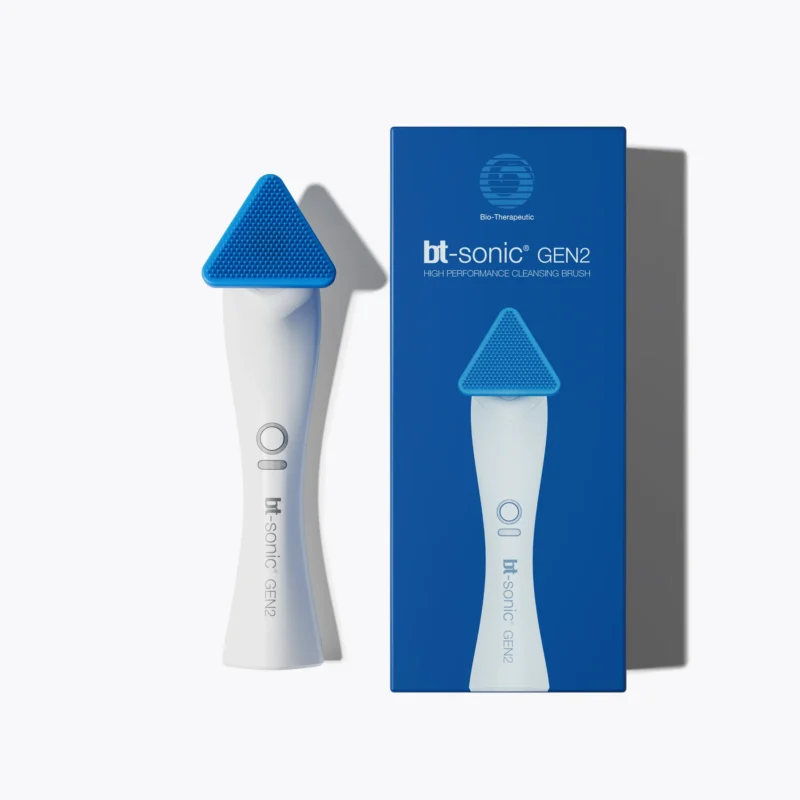
A sonic brush uses fast vibrations to move soft silicone bristles across your skin while you cleanse. Your cleanser does the cleaning; the brush helps it lift away makeup, sunscreen and the day’s grime more evenly than fingertips alone.
Ultrasonic skin scrubbers
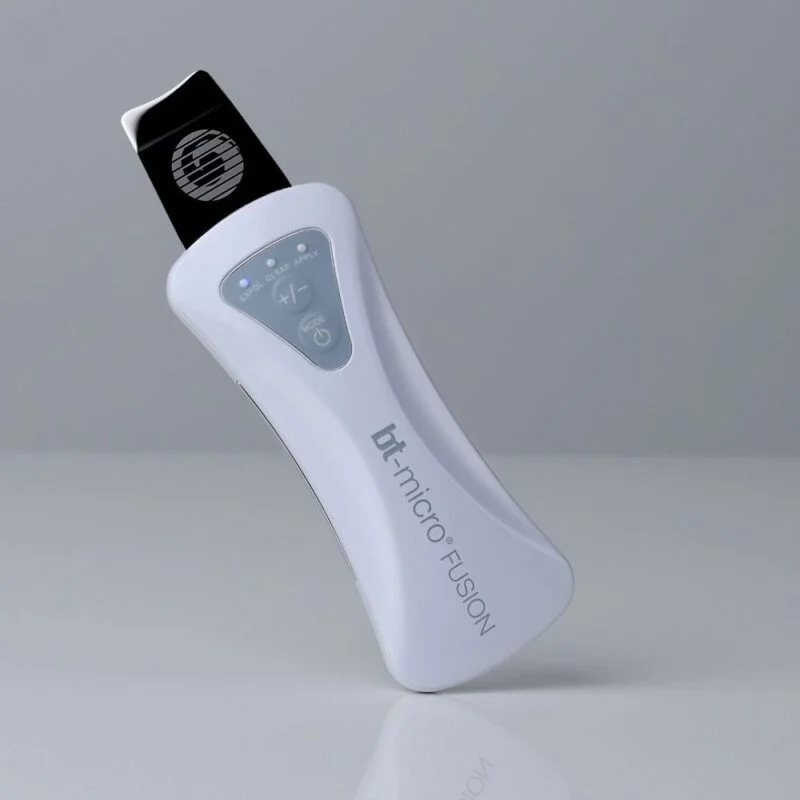
An ultrasonic scrubber is a flat metal spatula that vibrates at an ultrasonic frequency, far faster than you can see. Used on damp skin, it helps loosen dead surface cells and debris, which leaves skin feeling smoother. Many, including the one we stock, also have a mode for pressing serums into the skin.
Microcurrent devices
Microcurrent devices pass a very low-level electrical current across the skin through two probes. Used regularly, they can temporarily tone and tighten the look of the face, particularly the cheekbones, jawline and brows. Our complete UK guide to microcurrent facials at home covers the basics in more depth.
Which facial device should you buy for your skin goal?
Use this table as a quick starting point. If two goals matter equally, begin with the device you will use most often, because consistency matters more than features.
| Your main goal | Device type | Typical use | Our pick |
|---|---|---|---|
| A deeper, more even daily cleanse | Sonic brush | Once or twice a day, about two minutes | bt-sonic GEN2 or bt-sonic original |
| Smoother texture, less visible congestion | Ultrasonic scrubber | Usually once or twice a week | bt-micro fusion |
| Help serums feel absorbed | Ultrasonic scrubber (infusion mode) | After cleansing, as part of a treatment | bt-micro fusion |
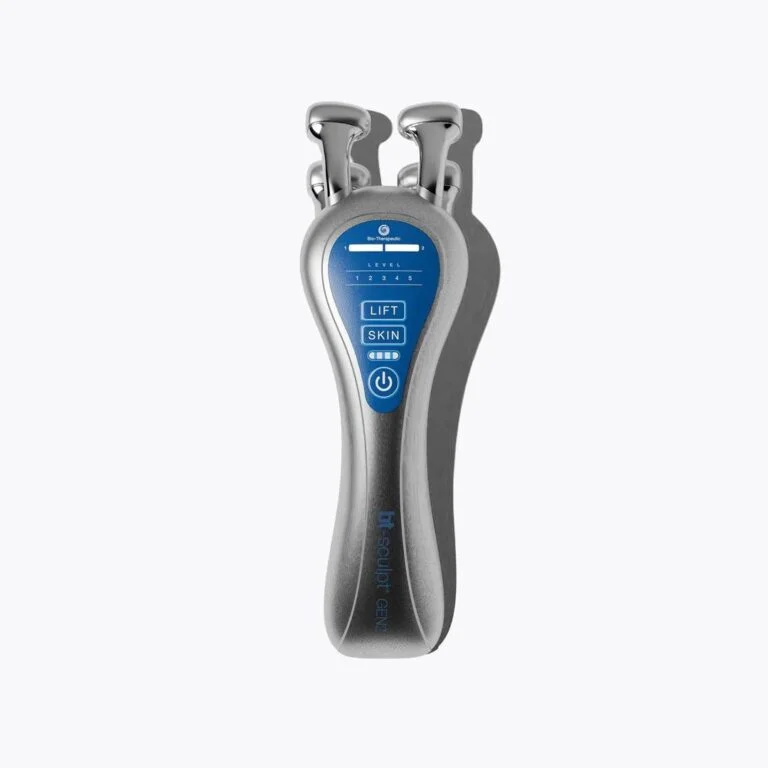
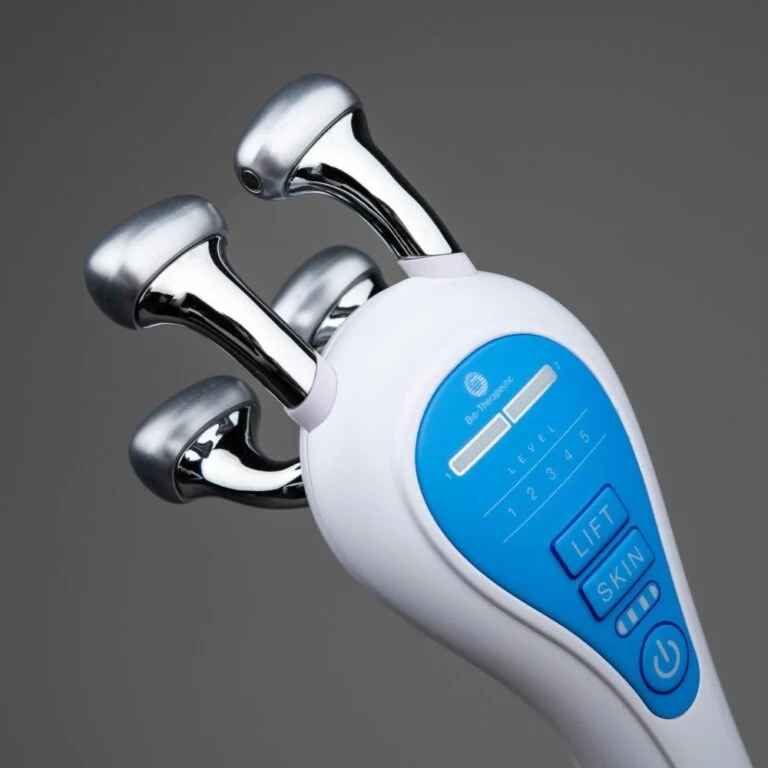
| A more toned, lifted look | Microcurrent | Several short sessions a week, as per the manual | bt-sculpt GEN2 |
Is a sonic cleansing brush worth it?
For most people, yes, especially if you wear SPF and makeup daily and want your cleanse to feel more thorough. It is also the lowest-effort device: it slots into a step you already do.
The bt-sonic GEN2 Advanced Microsonic Cleansing Brush has three power levels and two interchangeable silicone heads, one infused with corundum for an extra exfoliating feel. Both heads are silver ion-infused, and the triangular shape reaches around the nose and chin where round heads often miss.
If you want something simpler, the original bt-sonic facial cleansing brush keeps the same triangular head and soft bristles, with a cleanse that takes about two minutes. Pair either with a gentle cleanser such as Gel Cleanse. For a full walk-through, read our sonic facial cleansing brush guide.
What does an ultrasonic skin scrubber actually do?
An ultrasonic scrubber is closer to a treatment than a daily habit. It is designed to help skin look clearer and feel smoother, and it is popular with people whose skin tends towards congestion or a dull, uneven surface.
The bt-micro fusion ultrasonic skin scrubber has three modes: exfoliation (used on damp skin, often with an exfoliating foam), extraction support (the spatula helps nudge out surface debris), and infusion (used to press serums and moisturisers into the skin). Our guide to using an ultrasonic skin scrubber explains each mode step by step.
Still deciding between brushes and scrubbers? Our explainer on sonic vs ultrasonic skin devices sets out the difference clearly.
Is microcurrent the best at-home device for a lifted look?
If your goal is a more defined, toned appearance, microcurrent is the category designed for it. Results are temporary and build with regular use, so it suits people who enjoy a short ritual several times a week.
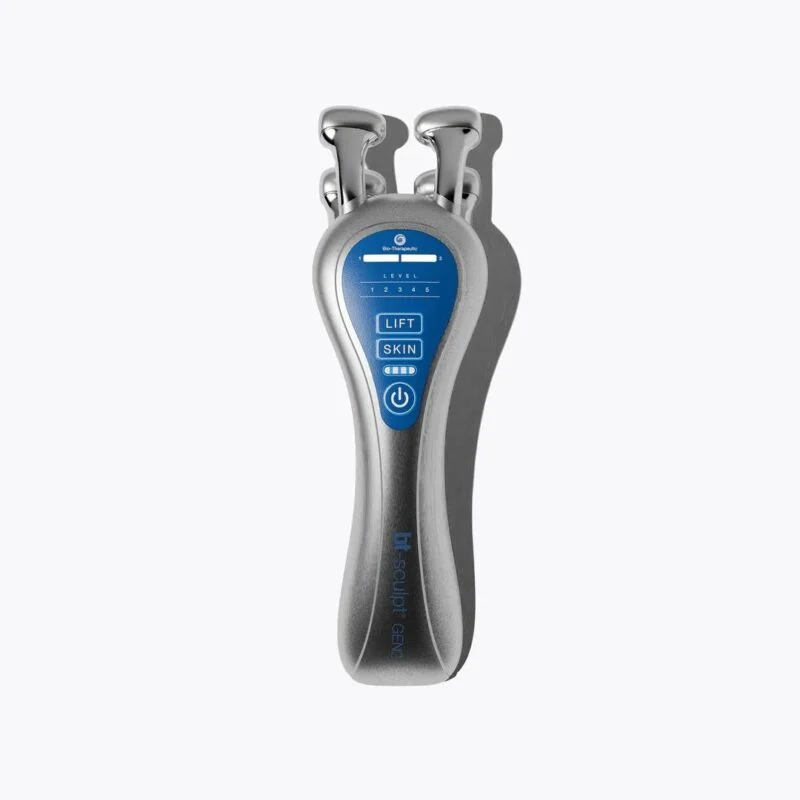
The bt-sculpt GEN2 Microcurrent Facial Sculpting System won Best Microcurrent Device in the NewBeauty Awards 2026. It uses a self-tensioning K4iTEK probe system with four independently controlled energy pathways and Suzuki Sequencing, the same technology family as Bio-Therapeutic’s professional in-clinic devices. An audible signal tells you when the probes are making proper contact, which is helpful when you are learning.
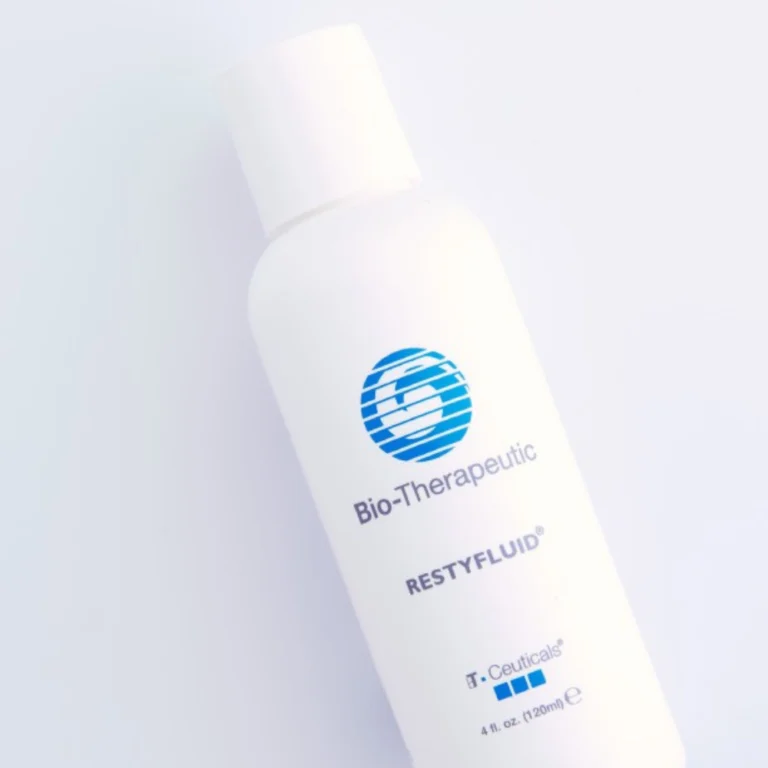
Microcurrent always needs a conductive medium on the skin. Restyfluid works as a hydrating toner and a conductive fluid in one. Comparing generations? See bt-sculpt GEN1 vs GEN2, and read who shouldn’t use microcurrent before you start.
Can you use more than one facial device?
Yes. Many people build up a small toolkit over time. The key is order and restraint: cleanse first, treat second, and avoid stacking every device on the same evening when your skin is already sensitised.
- Cleanse with a sonic brush to start with clean skin.
- Exfoliate or infuse with an ultrasonic scrubber on treatment nights only.
- Tone the look with microcurrent over a generous layer of conductive fluid or gel.
- Finish with your usual serum and moisturiser.
Whatever you choose, keep heads and probes clean between uses. Our article on how to clean and care for your skincare devices covers the simple routine.
What should you check before buying a facial device in the UK?
- Safety first. If you are pregnant, have a pacemaker or other implanted electronic device, epilepsy, or are being treated for cancer, speak to your GP before using microcurrent. Avoid any device on broken or irritated skin.
- Running costs. Microcurrent and ultrasonic devices need a gel or fluid, so factor that in.
- Your real routine. A device used three times a week beats a more advanced one left in a drawer.
- Genuine stock. Buy sealed products from a retailer who can answer questions. You can browse the full Bio-Therapeutic range with free UK mainland delivery over £80.
Self-care does not stop at the face, either. If your weekly routine includes training or yoga, our acupressure recovery routine for after exercise pairs well with a device evening, using mats and rollers from Bed of Nails.
Related reading
- Microcurrent Facials at Home: The Complete UK Guide
- bt-sculpt GEN1 vs GEN2: Which Microcurrent Device Should You Buy?
- How to Use an Ultrasonic Skin Scrubber at Home (3 Modes Explained)
- Sonic Facial Cleansing Brushes: Benefits, How to Use and Which to Choose
Frequently asked questions
Which at-home facial device is best for beginners?
A sonic cleansing brush is usually the easiest place to start because it fits into the cleansing step you already do and needs no extra products beyond your cleanser. Once that habit is settled, you can add an ultrasonic scrubber for weekly treatments or a microcurrent device if a more toned look is your priority.
Are at-home facial devices as good as a salon facial?
They are different rather than better or worse. A professional facial uses clinic-grade equipment and a trained therapist, while home devices are designed to be safe and simple for regular use. The advantage at home is frequency: short, consistent sessions between appointments can help you keep skin looking fresh and cared for.
Do I need a special gel for a microcurrent device?
Yes. Microcurrent needs a water-based conductive medium so the current can travel comfortably across the skin and the probes glide without dragging. A hydrating fluid such as Restyfluid or a suitable gel masque works well. Never use a microcurrent device on dry skin or over oils, which can block conductivity.
Can I use a sonic brush every day?
Most people can use a sonic brush once or twice a day with a gentle cleanser and light pressure. If your skin is sensitive, start once a day on the lowest setting and use the softer brush head. Skip it on any day your skin feels tight, stings or looks irritated, and go back to cleansing with your fingertips.
Is microcurrent safe to use at home?
Home microcurrent devices are designed for consumer use, but they are not suitable for everyone. Speak to your GP first if you are pregnant, have a pacemaker or implanted electronic device, epilepsy, a heart condition or cancer, or have had recent facial surgery, fillers or injectables. Always follow the manufacturer’s instructions.