To clean a facial cleansing brush, rinse the head under warm running water after every use, wash it with a little gentle cleanser or mild soap once a week, then shake off the water and let it air-dry uncovered. Microcurrent and ultrasonic devices need a different approach: wipe the probes or spatula with a soft, damp cloth after each session and follow the manual for anything more.
Key takeaways
- Clean every device after every use: a quick rinse or wipe takes seconds and keeps residue from building up.
- Do a deeper clean once a week, using mild soap or cleanser, never harsh household products.
- Let devices dry fully in the open air before storing, charging or putting a cap on.
- Only immerse a device if the manual says it is water-resistant enough for that.
- Replace brush heads when the bristles look worn or stop feeling soft.
Why does cleaning your skincare devices matter?
Every time a device touches your face, it picks up cleanser, oil, dead skin cells and product residue. Left on the head, probes or spatula, that residue can build up, feel less pleasant on the skin and make the device less effective. Damp brushes stored in a closed space also stay wet for longer.
Good care keeps your device working as it should for longer. And with professional-grade tools such as the Bio-Therapeutic range, a little care protects your investment.
How do you clean a facial cleansing brush?
After every use
- Switch the brush off.
- Rinse the head under warm running water, running your fingers through the bristles to loosen cleanser.
- Wipe the handle with a damp cloth to remove any cleanser that has dripped down.
- Shake off excess water and stand the brush upright to air-dry.
Once a week
- Wash the head with a little gentle cleanser or mild, fragrance-free soap, working it between the bristles.
- Rinse thoroughly so no soap remains.
- If the head is detachable, remove it and rinse around the connection point.
- Dry with a clean towel, then leave in the open air until completely dry.
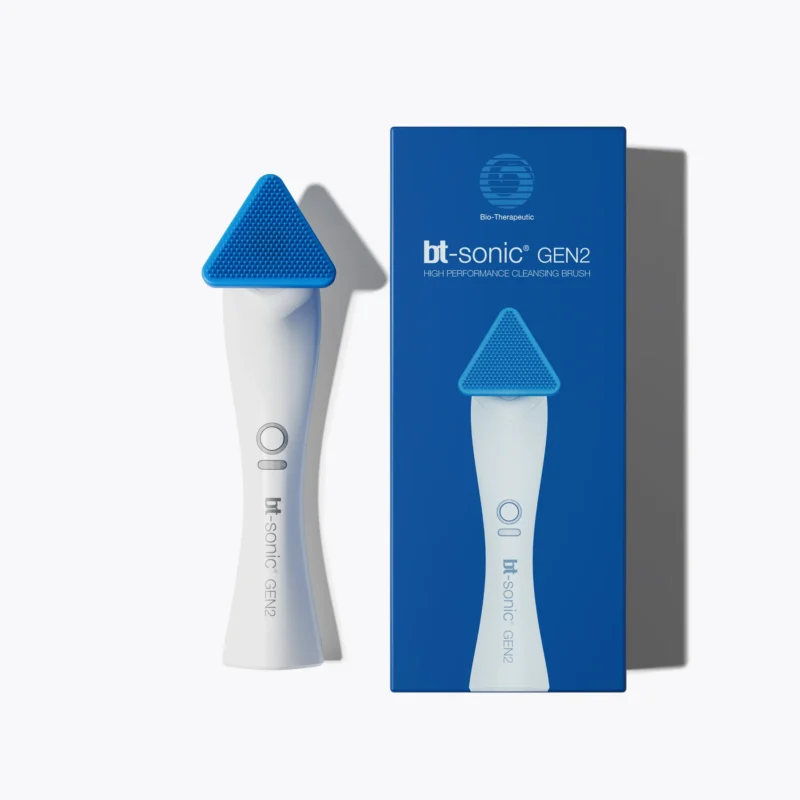
Silicone bristles are a real advantage here: they are non-porous and quick to dry. The bt-sonic GEN2 uses Azul silicone heads that are silver ion-infused to support hygiene, and the original bt-sonic has soft silicone bristles and a water-resistant body. For how to use a brush in the first place, see our sonic facial cleansing brush guide.
How do you clean an ultrasonic skin scrubber?
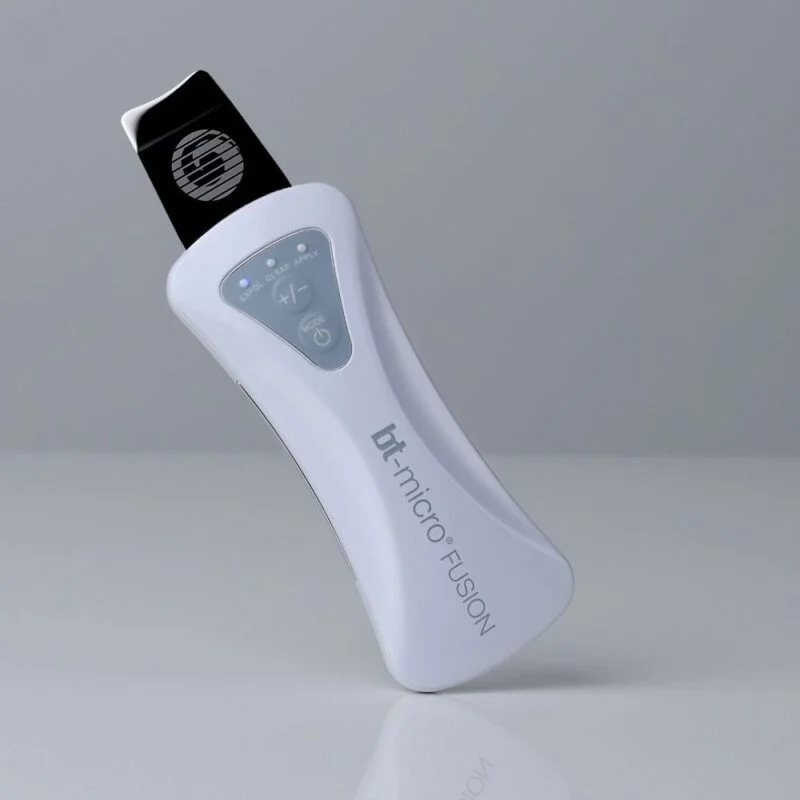
An ultrasonic skin scrubber, such as the bt-micro fusion, has a metal spatula that touches the skin directly and often gathers exfoliating foam and lifted debris.
- Switch the device off.
- Wipe the spatula with a soft cloth or cotton pad dampened with warm water to remove product and debris.
- Wipe the body with a separate damp cloth.
- If your manual recommends a cleaning solution for the spatula, use exactly what it suggests.
- Dry the spatula and body with a soft cloth and store once completely dry.
Never scrape the spatula or use abrasive pads, which can scratch the surface. Our guide on how to use an ultrasonic skin scrubber covers the three modes and the products to pair with each.
How do you clean a microcurrent device?
Microcurrent devices are covered in conductive gel after every session, which can dry onto the probes if left. Clean them as soon as you finish.
- Switch the device off.
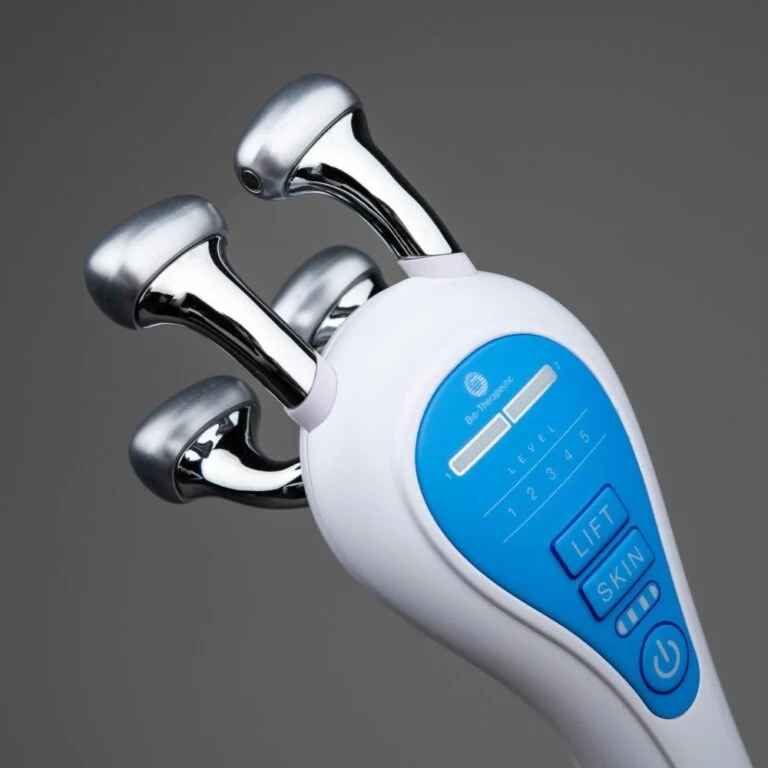
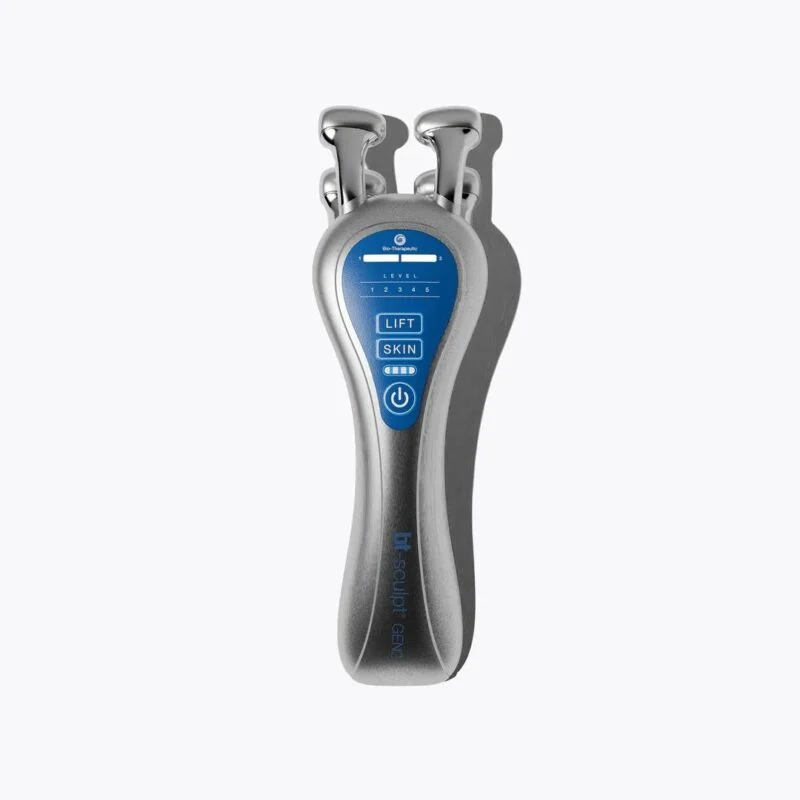
- Wipe the probes with a soft, damp cloth until no gel remains, including around the base of each probe.
- Wipe the body of the device gently.
- Follow your manual for any recommended cleaning product, and do not immerse the device.
- Dry with a soft cloth before storing or charging.
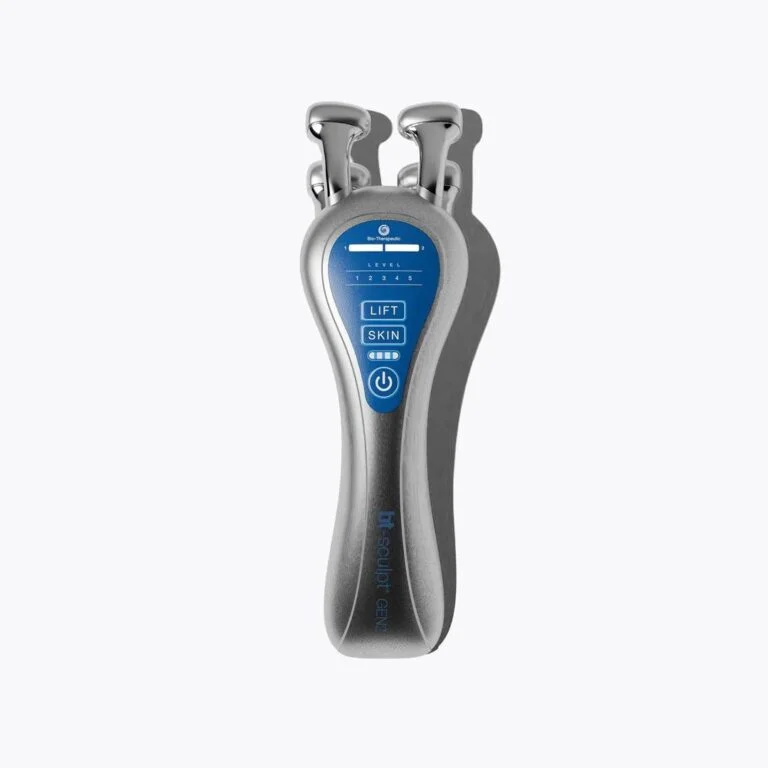
With the bt-sculpt GEN2, keeping the K4iTEK probes clean also helps them make good contact with your skin next time. Our step-by-step guide on how to use the bt-sculpt GEN2 shows where cleaning fits into the routine.
What should you never use to clean skincare devices?
- Bleach, kitchen sprays or household disinfectants. They can damage silicone and finishes, and leave residue that irritates skin.
- Boiling water or a dishwasher. Heat can warp heads and damage seals.
- Abrasive sponges or scourers. These scratch spatulas and probes.
- Oils or balms on probes. They are hard to remove and can affect conductivity.
- Submerging devices that are not designed for it. Check the manual before putting anything under water.
How should you store and charge your devices?
Store devices somewhere clean, dry and at room temperature, away from direct sunlight. A steamy bathroom shelf is not ideal; a drawer or cupboard outside the bathroom is better once the device is fully dry. Use the case or stand provided if there is one.
Always make sure the device and charging contacts are completely dry before charging, use only the charger supplied, and do not leave devices sitting in water or on a wet surface. If you will not use a device for a while, follow the manual’s guidance on battery care.
How often should you replace brush heads?
| Device part | Clean | Replace or check |
|---|---|---|
| Silicone brush head | Rinse daily, wash weekly | When bristles look flattened, torn or feel less soft |
| Nylon brush head | Rinse daily, wash weekly | More often, as nylon holds water and residue |
| Ultrasonic spatula | Wipe after every use | Check for scratches or damage; contact the retailer if in doubt |
| Microcurrent probes | Wipe after every use | Check for dried gel build-up or damage |
Never share facial devices or brush heads, even with family, and do not use a device on broken skin or active breakouts. If you have questions about a specific device, ask our team through our contact page, or explore the full Bio-Therapeutic device range. For choosing a device in the first place, see the best at-home facial devices.
Related reading
- Sonic Facial Cleansing Brushes: Benefits, How to Use and Which to Choose
- How to Use an Ultrasonic Skin Scrubber at Home (3 Modes Explained)
- How to Use the bt-sculpt GEN2: Step-by-Step Routine
- Why Microcurrent Needs a Conductive Gel (and What to Use)
Frequently asked questions
Can I clean my face brush with alcohol?
Rubbing alcohol can dry out or degrade some silicone and finishes over time, so it is best avoided on brush heads unless the manufacturer recommends it. Warm water after each use and a weekly wash with mild soap or gentle cleanser is enough for silicone bristles. For metal spatulas or probes, follow the manual’s specific cleaning advice.
Why does my cleansing brush smell?
A musty smell usually means water and residue have been trapped, often under a cap, around a detachable head or in a closed, steamy bathroom. Remove the head, wash both parts with mild soap, rinse well and leave everything to dry fully in the open air. If the smell returns quickly, it may be time for a new head.
How do I remove dried gel from microcurrent probes?
Soften it with a soft cloth dampened with warm water, holding the cloth against the probe for a few seconds before wiping. Repeat until the probe is clean, then dry it. Avoid scraping with anything hard or using abrasive pads. Cleaning straight after every session stops gel drying on in the first place.
Can I use my skincare device if I have a breakout?
Avoid using any device directly over inflamed, sore or broken spots, as it can spread bacteria and irritate the area. You can usually work around them on clear skin. Clean the device thoroughly afterwards and, if breakouts are frequent or painful, speak to your GP or a dermatologist about the right approach.