A sonic facial cleansing brush uses fast vibrations through soft silicone bristles to give a more thorough cleanse than fingertips alone, helping to lift away makeup, SPF and oil so skin feels fresher and smoother. Use it with a gentle cleanser for about a minute or two, once a day, with light pressure. Silicone heads are easy to keep clean and kind to most skin types.
Key takeaways
- Sonic brushes vibrate at high speed, helping your cleanser work across the skin’s surface and around pores.
- Silicone bristles are gentler and more hygienic than nylon bristles, and easier to rinse clean.
- Once a day is enough for most people; sensitive skin may prefer every other day.
- Let the brush do the work: glide it, do not press.
- A triangular head reaches the sides of the nose and the chin, where round heads often miss.
What is a sonic facial cleansing brush?
A sonic facial cleansing brush is a handheld device that vibrates its brush head at sonic frequencies, the range of sound vibrations, many times a second. When you glide it over skin covered in cleanser, those vibrations help the cleanser work into the skin’s surface and the areas around pores more evenly than fingertips alone.
It is different from an ultrasonic skin scrubber, which vibrates a metal spatula at much higher frequencies to exfoliate rather than cleanse. Our guide to sonic vs ultrasonic skin devices sets out the difference, and you can learn about scrubbers in our ultrasonic skin scrubber guide.
What are the benefits of a sonic cleansing brush?
- A more thorough cleanse. Helpful for removing SPF and long-wear makeup, which can be stubborn.
- Smoother-feeling skin. Gentle daily vibration helps lift away loose surface debris.
- Clearer-looking pores. Regular, thorough cleansing helps reduce the build-up that makes pores look more obvious.
- Better prep for the rest of your routine. Serums and moisturisers go onto clean skin rather than over residue.
- A pleasant, consistent ritual. Many people find a timed cleanse helps them slow down and cleanse properly.
How do you use a sonic facial cleansing brush?
- Remove eye makeup separately, then wet your face.
- Apply cleanser to your face or to the damp brush head. A gel or cream cleanser works best; avoid gritty scrubs.
- Switch on at the lowest power level if you are new to it.
- Glide in small circles across each area: forehead, nose, cheeks and chin, spending roughly the same time on each. Use the point of a triangular head along the sides of the nose.
- Keep pressure light. The bristles should just touch the skin.
- Rinse your face, then rinse the brush head under warm water.
- Pat dry and continue with toner, serum and moisturiser.
A full face takes around a minute or two. If you double cleanse, use the brush on the second cleanse, after an oil or balm has dissolved makeup. Our double cleansing guide explains who needs it and how to do it.
Which cleanser should you use with a sonic brush?
| Skin type | Best cleanser texture | Example |
|---|---|---|
| Oily or congested | Gentle foaming gel | Gel Cleanse, with mild glycolic and salicylic acid, aloe and green tea |
| Normal or combination | Gel or light cream | Gel Cleanse in the evening, a cream cleanser in the morning |
| Dry or sensitive | Creamy, non-foaming | Cleanse Hydrating, with aloe and squalane |
Gel Cleanse is designed to pair with a sonic brush, while Cleanse Hydrating is a gentle cream cleanser for dry, sensitive or reactive skin. Avoid using physical scrubs with a brush, as the combination can be too much.
How often should you use a sonic cleansing brush?
For most people, once a day is ideal, usually in the evening when there is makeup, SPF and the day’s build-up to remove. Oily skin may enjoy it twice a day; sensitive or dry skin may prefer once every day or two at a lower power level. If your skin feels tight, stings or looks red, reduce how often you use it.
On nights you use an exfoliant or a retinoid, you can keep the brush on its gentlest setting, or skip it.
Which sonic facial cleansing brush should you choose?
Look for soft silicone bristles, a head shape that reaches the nose and chin, adjustable power if your skin is sensitive, and easy cleaning. Bio-Therapeutic makes two options.
bt-sonic GEN2 Advanced Microsonic Cleansing Brush
The bt-sonic GEN2 has three power levels and two interchangeable Azul silicone brush heads, one infused with corundum for an extra exfoliation boost. Both heads are silver ion-infused to support hygiene, and its signature triangular head reaches the nose and chin areas that round brushes miss. It suits anyone who wants more control and a gentle exfoliating option.
bt-sonic Sonic Facial Cleansing Brush
The original bt-sonic keeps things simple: sonic vibrations, soft silicone bristles, the same triangular head and a water-resistant body. A full cleanse takes about two minutes. It is a lovely first brush or gift.
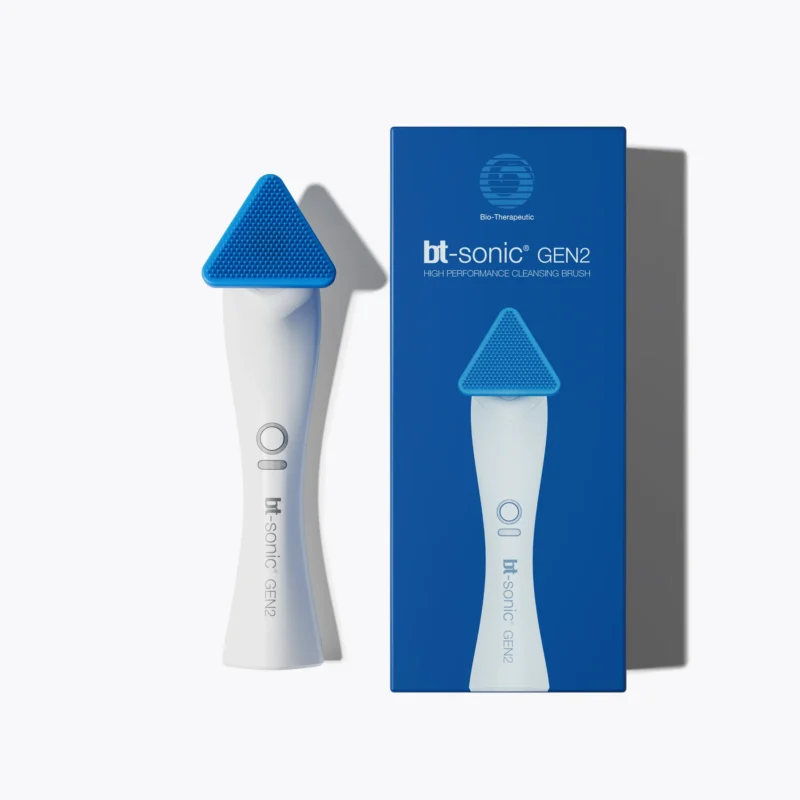 Bio-Therapeutic bt-sonic GEN2 Advanced Microsonic Cleansing Brush£209.90 VAT inc.
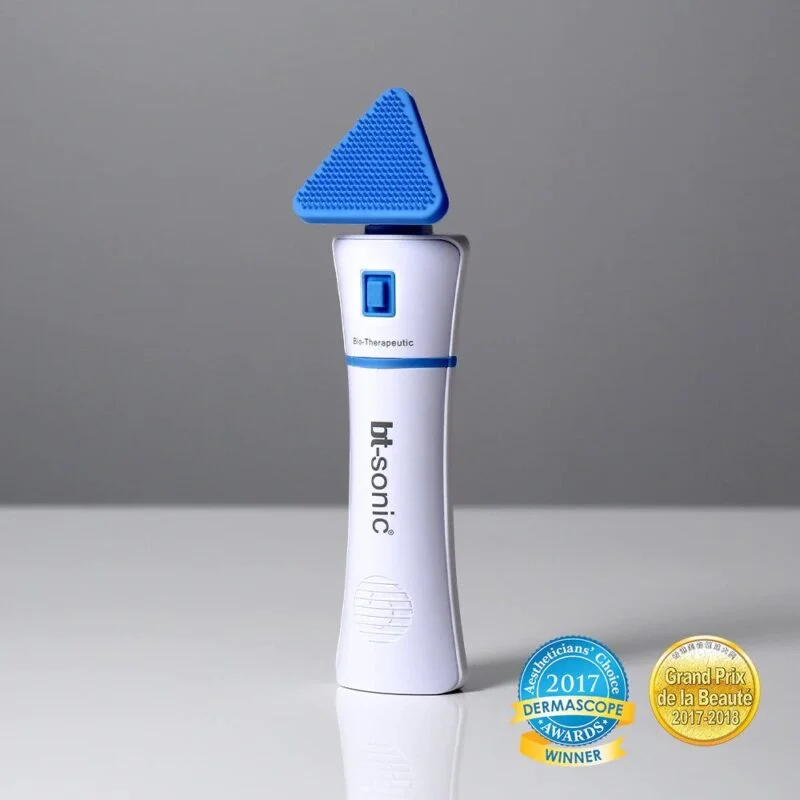 Bio-Therapeutic bt-sonic Sonic Facial Cleansing Brush£84.25 VAT inc.
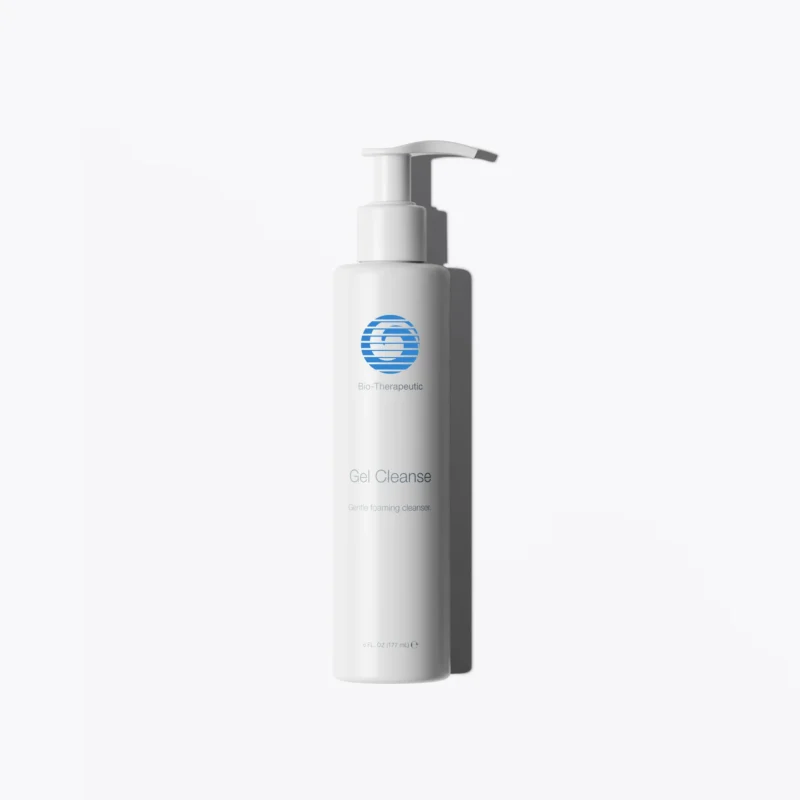 Bio-Therapeutic Gel Cleanse – Gentle Foaming Cleanser Price range: £28.40 through £42.20 VAT inc.
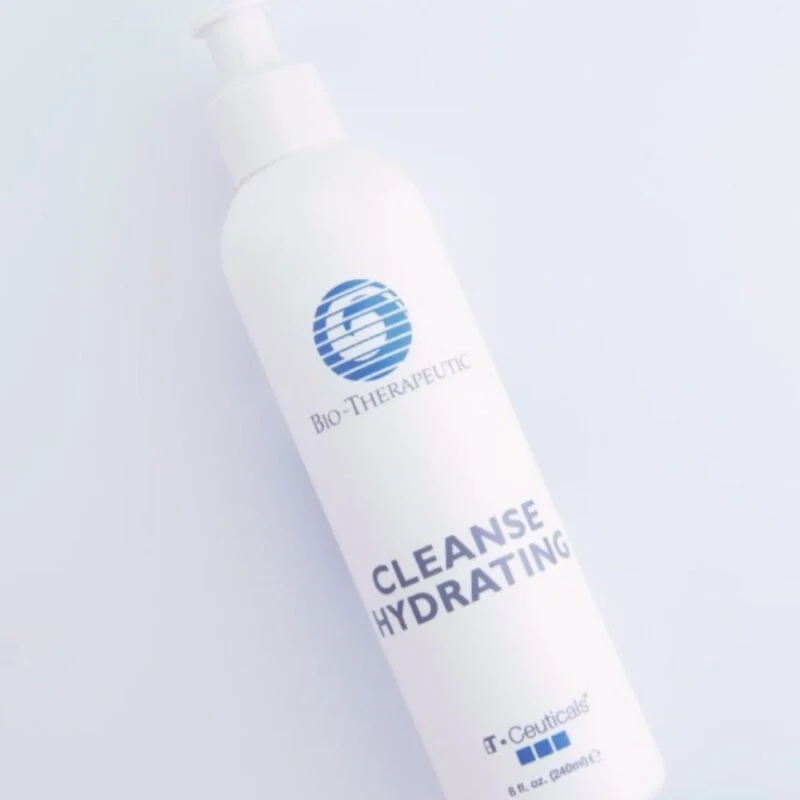 Bio-Therapeutic bt-ceuticals® Cleanse Hydrating – Cream Cleanser 237ml£43.80 VAT inc.
How do you keep a sonic brush clean?
Rinse the head thoroughly after every use, shake off excess water and let it air-dry. Once a week, wash it with a little gentle cleanser or mild soap. Silicone dries quickly and does not hold on to residue the way nylon bristles can. For a full routine, including when to replace heads, read our guide to cleaning and caring for your skincare devices.
Comparing all device types? See the best at-home facial devices by skin goal, or browse our Bio-Therapeutic range.
Related reading
- How to Use an Ultrasonic Skin Scrubber at Home (3 Modes Explained)
- Double Cleansing: Who Needs It and How to Do It Properly
- How to Clean and Care for Your Skincare Devices
- A Routine for Oily, Congested Skin That Doesn’t Strip It
Frequently asked questions
Are sonic facial brushes bad for your skin?
Used gently with a suitable cleanser, sonic brushes with silicone bristles are comfortable for most skin types. Problems usually come from overuse, pressing too hard or combining the brush with harsh scrubs or strong acids. Start at a low power level, use it once a day at most and cut back if your skin feels tight, stings or looks red.
Can I use a sonic cleansing brush with acne-prone skin?
Many people with breakout-prone skin like a sonic brush for keeping oil and residue under control, but avoid using it over inflamed, sore spots and keep pressure very light. Clean the head after every use. If you have persistent or painful breakouts, speak to your GP or a dermatologist before adding a device to your routine.
Is silicone better than bristles for a face brush?
For most people, yes. Silicone is soft, non-porous and quick to dry, so it is easier to keep clean than nylon bristles and generally gentler on skin. Nylon brushes can feel more exfoliating, but they hold on to water and residue and need regular head replacement. Silicone heads with silver ions add a further hygiene benefit.
Can I use a sonic brush in the shower?
Many sonic brushes are water-resistant, and the original bt-sonic has a water-resistant body, which makes it easy to use at the sink or in the shower. Check your own model’s manual for how much water exposure it can take, and avoid leaving any device in standing water or in a hot, steamy bathroom between uses.