The safest way to remove blackheads at home is to soften them first, then lift them gently rather than squeezing. Cleanse daily with a mild salicylic acid cleanser, exfoliate once or twice a week, use a pre-extraction gel and, if you have one, an ultrasonic skin scrubber on its extraction setting. Finish with a calming masque. Pores will look clearer with consistency, not force.
Key takeaways
- Blackheads are pores filled with oil and dead skin cells that darken when exposed to air; they are not dirt.
- Many “blackheads” on the nose are actually sebaceous filaments, which are normal and refill naturally.
- Soften first, lift gently: a pre-extraction gel plus light exfoliation is kinder than squeezing.
- Salicylic acid (a BHA) is oil-soluble, so it can work inside the pore lining.
- Over-scrubbing and pore strips can leave skin irritated and make congestion look worse.
What causes blackheads?
A blackhead, or open comedone, forms when a pore fills with a mix of sebum (your skin’s natural oil) and dead skin cells. Because the top of the pore is open, the mixture is exposed to air and oxidises, turning dark. That is why blackheads look like specks of dirt, even though they are not.
They tend to appear where skin is oiliest: the nose, chin and forehead. Things that can make them more noticeable include heavy or occlusive products, not removing makeup and SPF thoroughly, and skin that builds up dead cells on the surface. Hormones and genetics play a part, too.
Are they blackheads or sebaceous filaments?
Many people chasing “blackheads” on their nose are actually looking at sebaceous filaments. These are thin channels of oil that line every pore and help move sebum to the surface. They look like tiny grey or beige dots, are evenly spread and refill within days of being cleared.
| Feature | Blackhead | Sebaceous filament |
|---|---|---|
| Colour | Dark brown or black | Grey, beige or yellowish |
| Pattern | Scattered, uneven | Evenly spread across nose and cheeks |
| Feel | Can feel slightly raised | Flat to the skin |
| What to expect | Can be cleared and kept at bay with a routine | Normal; can look smaller with care but will always be there |
Both respond well to the same gentle routine, but knowing the difference saves you from over-treating normal skin.
How do you remove blackheads at home safely?
This weekly routine softens, lifts and soothes, in that order.
- Cleanse thoroughly. Gel Cleanse is a gentle foaming cleanser with mild glycolic and salicylic acid, aloe and green tea, designed for oily, congested or normal skin.
- Exfoliate gently. Use your usual exfoliant, or an ultrasonic skin scrubber on its exfoliation setting with an AHA foam.
- Soften with a pre-extraction gel. Decongest Treatment Gel combines jojoba esters, pineapple enzymes, tea tree, calendula and chamomile to prepare congested areas.
- Lift, do not squeeze. The bt-micro fusion Ultrasonic Skin Scrubber has an extraction support mode that helps loosen and lift surface congestion with light strokes. Our guide on how to use an ultrasonic skin scrubber explains each mode.
- Rebalance. Mist with Aquafuse Clearing, a balancing toner with salicylic acid, green tea, chamomile and meadowsweet.
- Calm and hydrate. Apply a cooling masque such as the Hyaluronic Clarity Face Masque, which clarifies without over-drying and helps with the look of redness.
- Moisturise. Even oily skin needs a light moisturiser afterwards.
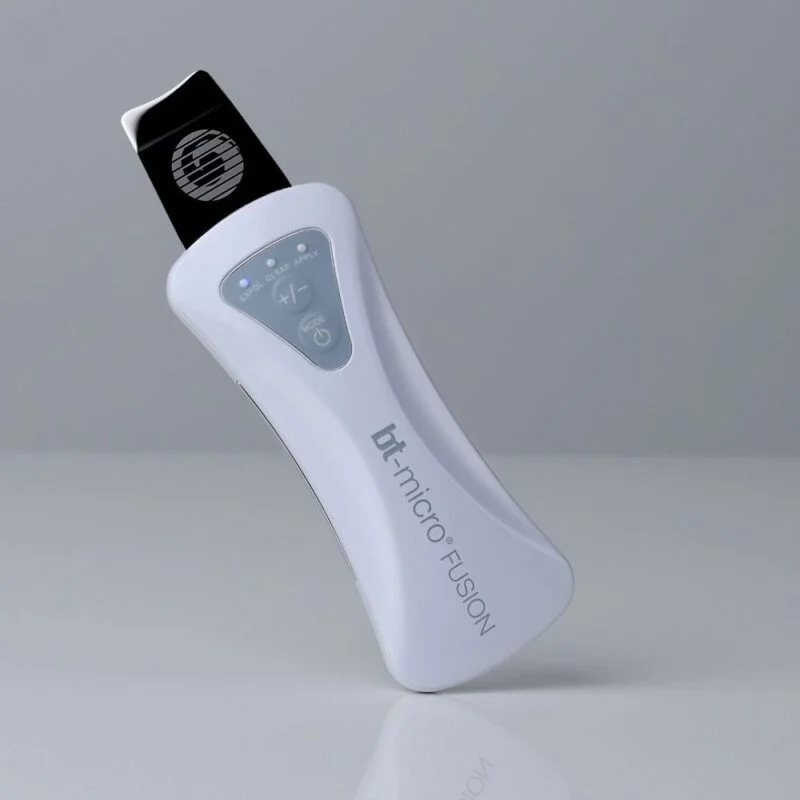 Bio-Therapeutic bt-micro fusion Ultrasonic Skin Scrubber (Home Use)£224.95 VAT inc.
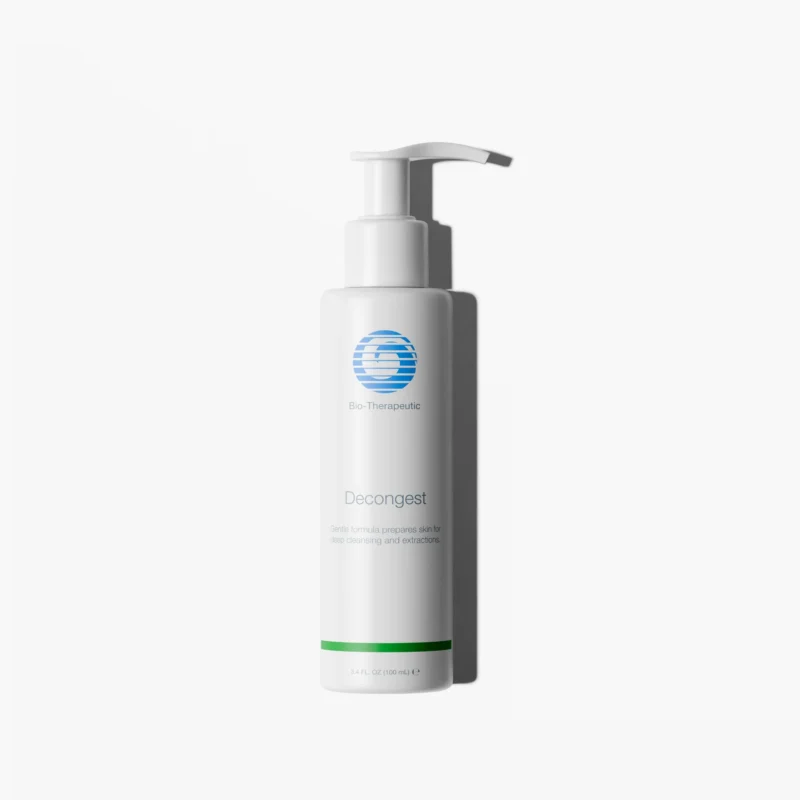 Bio-Therapeutic bt-ceuticals® Decongest Treatment Gel£53.90 VAT inc.
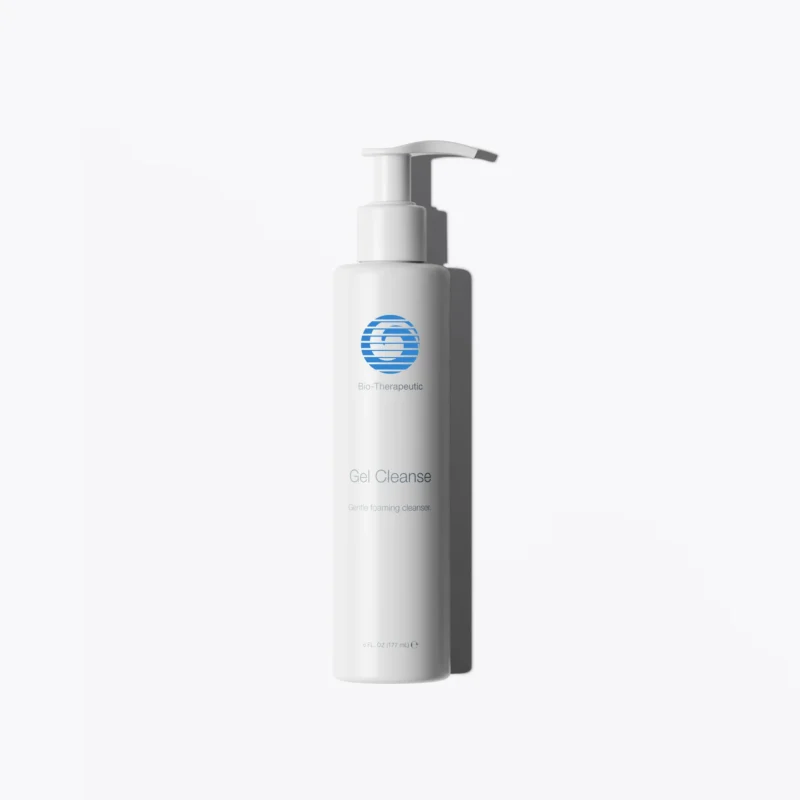 Bio-Therapeutic Gel Cleanse – Gentle Foaming Cleanser Price range: £28.40 through £42.20 VAT inc.
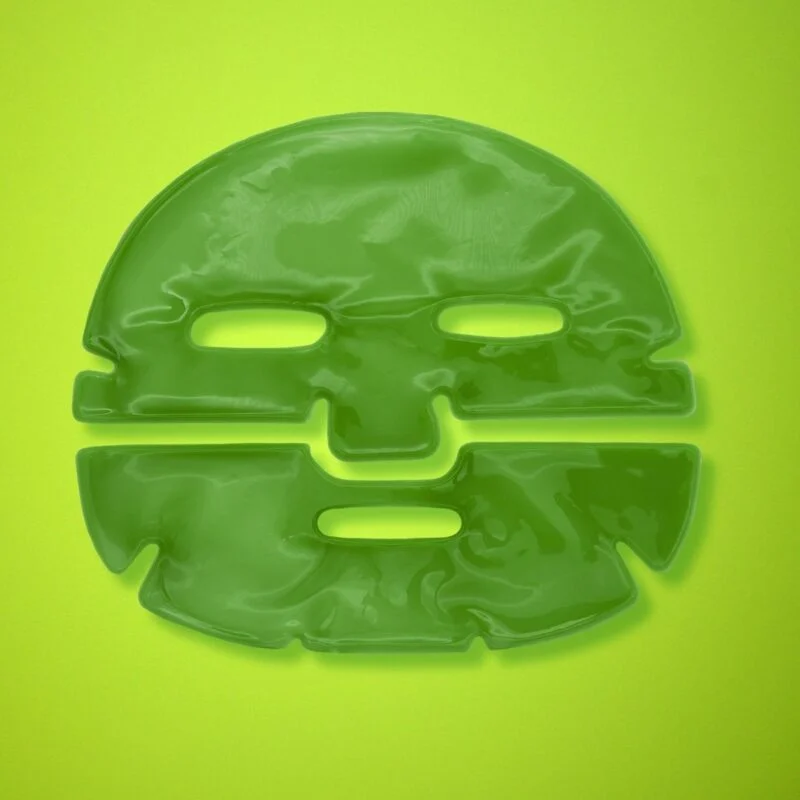 Bio-Therapeutic Hyaluronic Clarity Face Masque – Box of 8£59.00 VAT inc.
What should you never do to blackheads?
- Squeeze with your fingers or nails. Pressure can push debris deeper, tear the pore wall and leave red or dark marks that last far longer than the blackhead.
- Use metal extractor tools without training. It is very easy to press too hard.
- Rely on pore strips. They pull off the top of the plug and sometimes the surface of the skin, which can leave it irritated, and the pore refills quickly.
- Scrub hard every day. Over-exfoliation weakens the skin barrier and can leave skin irritated and looking shinier.
- Use extraction tools on inflamed spots. Red, sore or pus-filled spots need a different, hands-off approach.
Which ingredients help with blackheads?
Salicylic acid is a beta hydroxy acid (BHA). Because it is oil-soluble, it can work into the pore lining, which is why it is so popular for congested skin. Alpha hydroxy acids (AHAs) such as glycolic and lactic acid work on the surface, helping to loosen dead cells. Enzymes from papaya and pineapple offer a gentler, non-acid option.
Our guide to AHAs, BHAs, enzymes and scrubs explains how to choose between them and how not to overdo it.
How often should you do a blackhead routine?
Daily: gentle cleansing, a light moisturiser and SPF. Weekly: the full soften-and-lift routine above, once a week for most people, or twice for very oily skin that tolerates it well. Expect gradual change over several weeks rather than a single dramatic session.
For an everyday plan that keeps congestion at bay without stripping your skin, see our routine for oily, congested skin. If you are using a device, keeping it clean matters too: read our guide to cleaning your skincare devices.
If you have persistent, painful or widespread spots, speak to your GP or a dermatologist. You can explore more cleansers, toners and masques on our Bio-Therapeutic page.
Related reading
- How to Use an Ultrasonic Skin Scrubber at Home (3 Modes Explained)
- A Routine for Oily, Congested Skin That Doesn’t Strip It
- Exfoliation Explained: AHAs, BHAs, Enzymes and Scrubs
- Sonic Facial Cleansing Brushes: Benefits, How to Use and Which to Choose
Frequently asked questions
Can you permanently get rid of blackheads?
No routine removes blackheads for good, because skin keeps producing oil and shedding cells. What you can do is keep congestion under control so pores look clearer and new blackheads are less noticeable. Gentle daily cleansing, regular exfoliation and a weekly decongesting step, kept up over time, tend to give the best-looking results.
Do pore vacuums work for blackheads?
Pore vacuums can pull out some surface debris, but strong suction can leave marks, broken capillaries or irritation, especially on thin or sensitive skin. A gentler approach is to soften congestion with a pre-extraction gel and then use light exfoliation or an ultrasonic scrubber’s extraction setting, which lifts rather than pulls.
Should I steam my face before removing blackheads?
A warm flannel or a short, gentle steam can help soften the skin, but very hot steam can leave skin red and dehydrated, particularly if you are prone to redness. A softening pre-extraction gel offers a more controlled way to prepare the skin. Keep any steam brief and comfortably warm, not hot.
Why do I get blackheads on my nose but not elsewhere?
The nose has a high concentration of oil glands and larger pores, so it is the most common place for both blackheads and sebaceous filaments. The chin and forehead are close behind. A triangular-headed cleansing brush or an ultrasonic spatula can make it easier to reach the creases around the nose during your routine.