The best skincare routine for oily skin cleanses gently, uses a little salicylic acid to keep pores looking clear, adds lightweight hydration and finishes with a non-greasy SPF every morning. The aim is balance, not stripping: harsh, drying products tend to leave oily skin feeling tight and can make shine and congestion look worse.
Key takeaways
- Oily skin still needs hydration; skipping moisturiser often backfires.
- Salicylic acid (a BHA) is oil-soluble, so it can work inside pores to help skin look clearer.
- Cleanse twice a day, gently. Over-washing leaves skin tight and irritated.
- Choose a lightweight, non-greasy SPF; it is essential, especially if you use acids.
- Add a weekly clarifying step, such as a gel masque or professional-style extraction prep.
What causes oily, congested skin?
Oily skin produces more sebum, the skin’s natural oil. That is partly down to genetics and hormones, and it often changes with age, stress and the seasons. Congestion happens when sebum and dead skin cells build up in pores, leading to blackheads, a rough texture and the occasional blemish.
The temptation is to scrub, strip and dry it all out. Unfortunately, that tends to irritate skin and disrupt its barrier, so it feels tight and uncomfortable while still looking shiny. A balanced routine works better over time. If you have persistent, painful or widespread breakouts, speak to your GP or a pharmacist.
What is the best morning routine for oily skin?
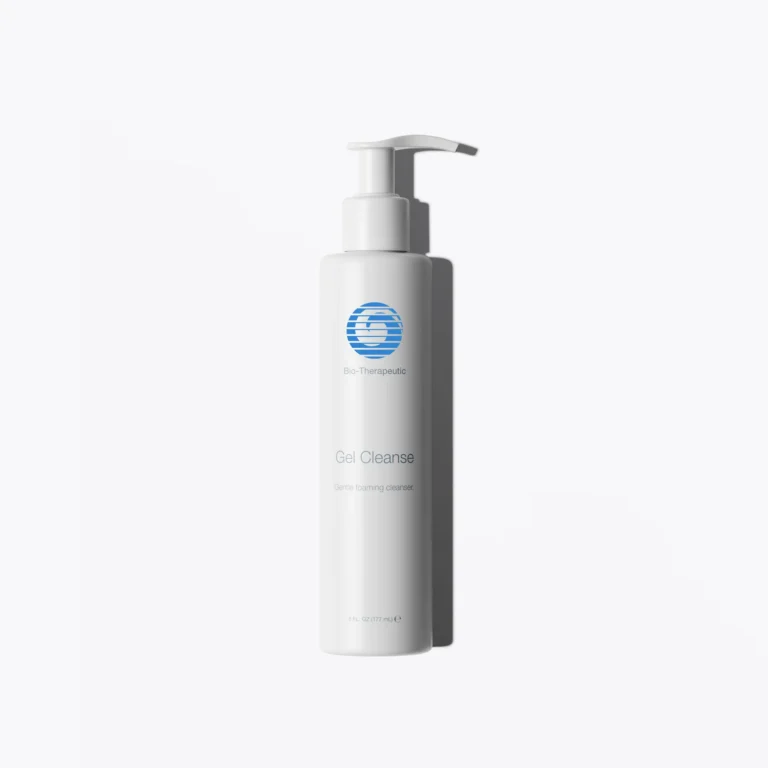
- Cleanse. A gentle gel cleanser removes overnight oil. Gel Cleanse combines mild glycolic and salicylic acids with aloe, green tea and panthenol, so skin feels fresh rather than squeaky.
- Tone. Mist a balancing toner onto clean skin. Aquafuse Clearing is designed for oily, congestion-prone skin, with salicylic acid, green tea, meadowsweet, chamomile and honey.
- Hydrate lightly. A thin layer of a light serum or moisturiser is enough.
- Protect. Finish with a non-greasy, broad-spectrum SPF. Shade SPF 30 Climate Control has a lightweight finish that sits well under makeup, with niacinamide and sodium hyaluronate.
SPF matters even more if you use exfoliating acids, which can make skin more sensitive to the sun.
What is the best evening routine for oily skin?
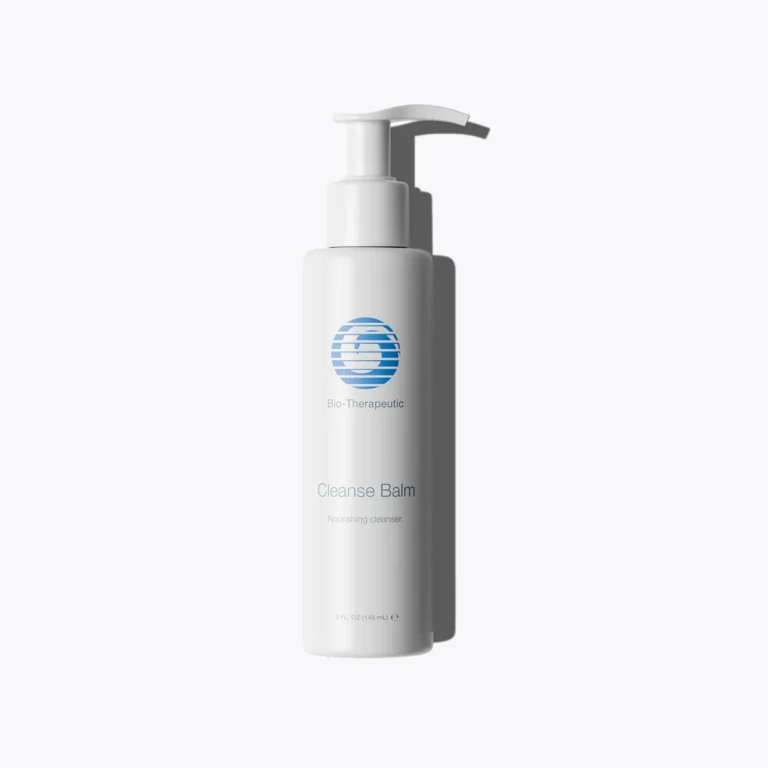
- First cleanse (if you wear SPF or makeup). An oil or balm cleanser dissolves sunscreen and sebum effectively. Cleanse Balm emulsifies with water and rinses away cleanly. Our double cleansing guide explains why oil cleansers work well even on oily skin.
- Second cleanse. Gel Cleanse again, ideally with a sonic brush.
- Tone. A few mists of your balancing toner.
- Treat. On selected evenings, apply a targeted treatment or an exfoliant.
- Moisturise. Use a light layer; oily skin still needs it.
A sonic brush helps your second cleanse work evenly around the nose and chin, where congestion tends to gather. The bt-sonic GEN2 has a triangular head designed for those areas, plus a corundum-infused head for an extra exfoliating feel a couple of times a week.
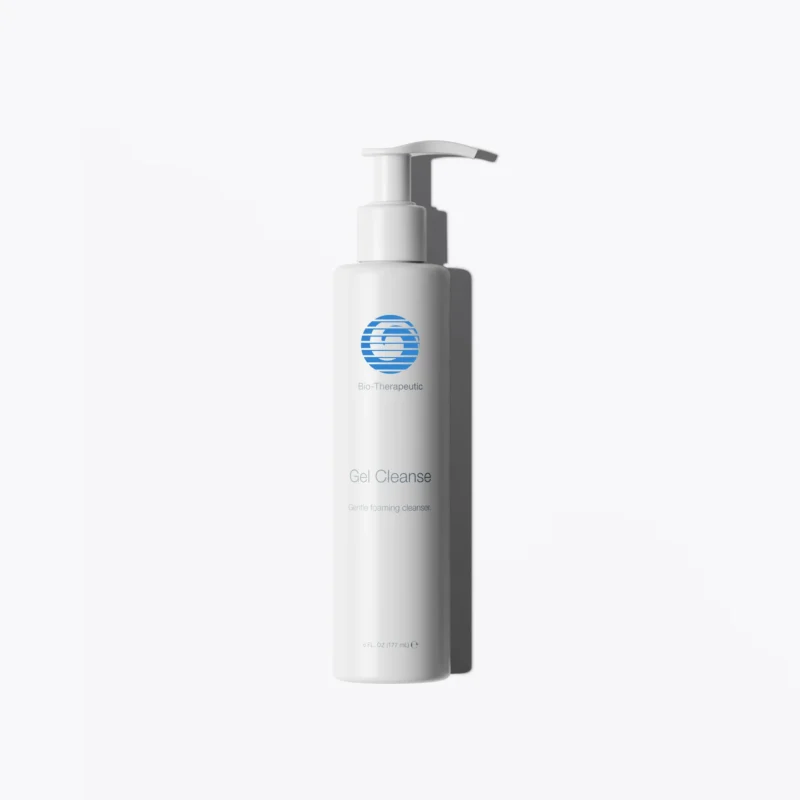 Bio-Therapeutic Gel Cleanse – Gentle Foaming Cleanser Price range: £28.40 through £42.20 VAT inc.
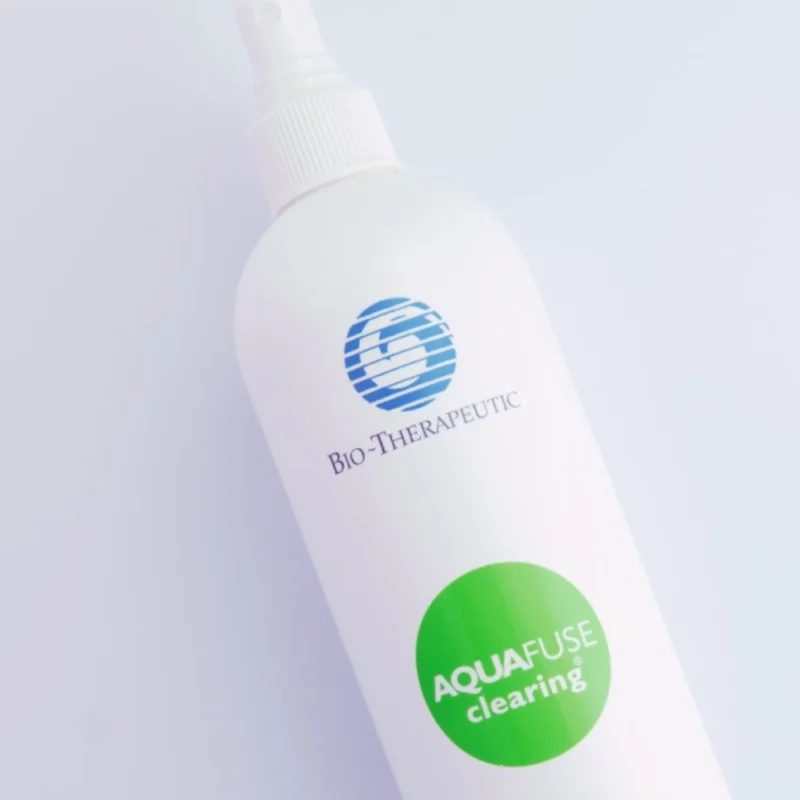 Bio-Therapeutic Aquafuse Clearing – Balancing Toner Mist£84.90 VAT inc.
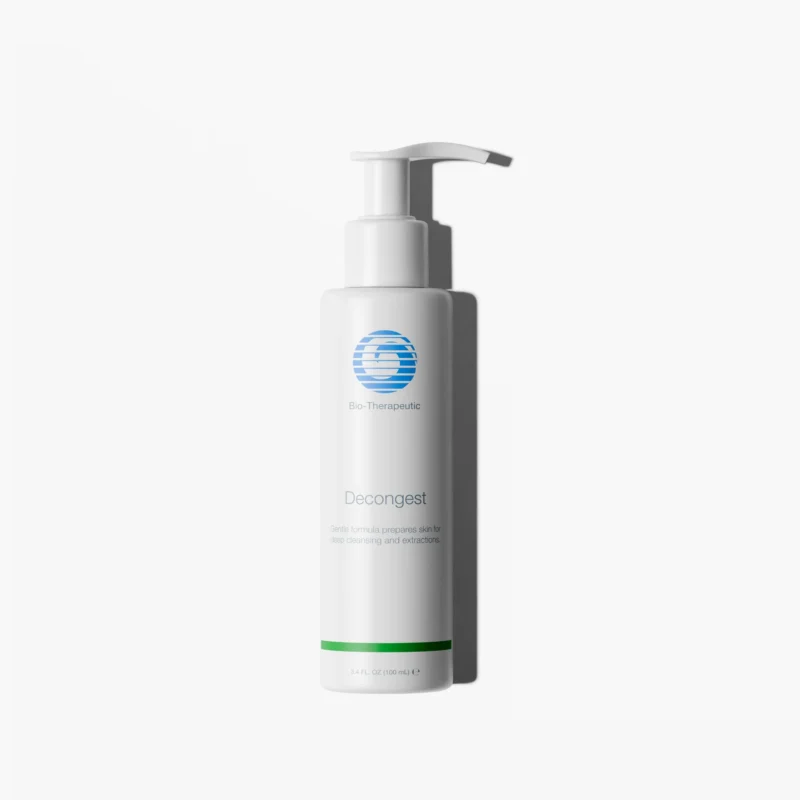 Bio-Therapeutic bt-ceuticals® Decongest Treatment Gel£53.90 VAT inc.
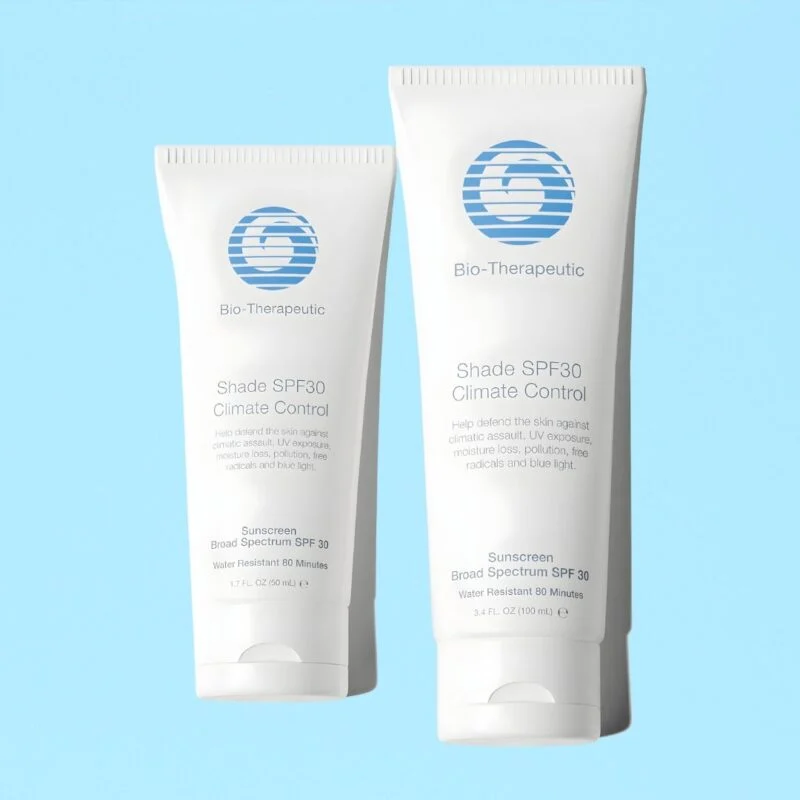 Bio-Therapeutic Shade SPF 30 Climate Control – Daily Face Sunscreen Price range: £28.80 through £43.40 VAT inc.
Which ingredients help oily, congested skin?
| Ingredient | What it does | Where you’ll find it |
|---|---|---|
| Salicylic acid (BHA) | Oil-soluble exfoliant that helps keep pores looking clear | Gel Cleanse, Aquafuse Clearing |
| Glycolic acid (AHA) | Water-soluble exfoliant for smoother-looking skin | Gel Cleanse (mild) |
| Niacinamide | Helps the look of pores and uneven tone | Shade SPF 30, Aquafuse Brighten + Hydrate |
| Hyaluronic acid | Lightweight hydration without heaviness | Many serums, mists and masques |
| Green tea | Antioxidant with a soothing feel | Gel Cleanse, Aquafuse Clearing |
If you want to understand acids better, read our guide to AHAs, BHAs, enzymes and scrubs. For more on the ingredient that suits almost every oily routine, see our niacinamide guide.
How often should you exfoliate oily skin?
Even oily skin rarely needs heavy exfoliation every day. If your cleanser and toner already contain gentle acids, an extra exfoliating step once or twice a week is usually plenty. Signs you are overdoing it include stinging, redness, a tight feeling or skin that suddenly looks shinier and more irritated.
Leave at least one night between exfoliation and any retinoid, and do not combine several acid products in the same evening.
What should a weekly clarifying treatment include?
Once a week, a slightly more thorough routine helps skin look clearer and feel smoother.
Prepare congested areas
Decongest Treatment Gel is a pre-extraction gel with pineapple enzymes, jojoba esters, tea tree, calendula and sodium hyaluronate. Apply it to clean skin on congested areas to help soften surface debris before any extraction.
Use a device, if you have one
An ultrasonic scrubber such as the bt-micro fusion pairs with Decongest in its extraction mode to help lift away surface congestion without squeezing. Our guide to clearing blackheads at home without damage explains the safest method.
Finish with a clarifying masque
The Hyaluronic Clarity Face Masque is a cooling gel masque that helps skin look clearer and calmer without over-drying. Follow with a light moisturiser.
What mistakes make oily skin worse?
- Skipping moisturiser. Dehydrated skin can look oilier and feel uncomfortable.
- Over-cleansing. Twice a day is enough; more often can irritate.
- Picking and squeezing. This can mark the skin and spread congestion.
- Heavy, greasy sunscreen. Choose a non-greasy formula you will happily wear daily.
- Changing everything at once. Introduce one new product at a time and give it a few weeks.
You can find everything in this routine in our Bio-Therapeutic collection. For daily protection advice, read do you really need SPF every day in the UK?
Related reading
- Blackheads and Congestion: How to Clear Pores at Home Without Damage
- Exfoliation Explained: AHAs, BHAs, Enzymes and Scrubs
- Niacinamide: The Multi-Tasker for Pores, Tone and Barrier
- A No-Fuss Skincare Routine for Men
Frequently asked questions
Should oily skin use moisturiser?
Yes. Oily skin produces plenty of oil but can still lack water, and harsh cleansing makes this more likely. A lightweight, non-greasy moisturiser helps skin feel comfortable and balanced rather than tight. Use a thin layer after your serum or toner, and choose gel or lotion textures if creams feel too heavy on your skin.
Is salicylic acid safe to use every day?
Many people use mild salicylic acid daily in a cleanser or toner without problems. Start slowly, perhaps every other day, and watch for dryness, stinging or redness. Avoid stacking several salicylic products at full strength, wear SPF every morning, and pause if your skin feels irritated. If you are pregnant, check with your GP or pharmacist first.
Why is my skin oily but flaky at the same time?
Oily skin that flakes is often dehydrated or irritated, usually from over-cleansing, harsh scrubs or too many active ingredients. Pare your routine back to a gentle cleanser, a hydrating mist or serum, a light moisturiser and SPF for a couple of weeks, then reintroduce exfoliants slowly once your skin feels comfortable.
Do oily skin types need a different SPF?
Oily skin does not need a different level of protection, but texture matters. Look for a broad-spectrum SPF 30 or higher with a lightweight, non-greasy finish that you will happily wear every day. Formulas that sit well under makeup and contain ingredients such as niacinamide are often a comfortable choice for shinier skin.