Niacinamide is a form of vitamin B3, and its main benefits are that it helps the look of enlarged pores, helps skin tone appear more even and helps skin feel calmer, smoother and better hydrated. It is gentle, plays well with almost every other ingredient and suits most skin types, which is why you will find it in toners, sunscreens and masques rather than only in serums.
Key takeaways
- Niacinamide (vitamin B3) is an all-rounder: pores, tone, oiliness and comfort.
- It suits oily, combination, dry and most sensitive skin, and can be used morning and night.
- You don’t need a very strong percentage; consistency matters more than strength.
- It layers happily with hyaluronic acid, vitamin C, retinoids, peptides and SPF.
- Look for it in mists, sunscreens and masques, so it slots into steps you already do.
What is niacinamide?
Niacinamide, sometimes listed as nicotinamide, is a water-soluble form of vitamin B3. In skincare it is valued because it is stable, easy to formulate and generally well tolerated, so it turns up in everything from light mists to rich creams.
Unlike exfoliating acids or retinoids, niacinamide isn’t an ingredient you need to “build up” to. Most people can start using it daily straight away, which makes it a sensible first active if you’re new to ingredient-led skincare.
What are the main benefits of niacinamide for skin?
Niacinamide is popular precisely because it does several useful things at once. Used regularly, it may help with:
- The look of pores. Skin can look smoother and pores less noticeable, particularly on the nose, chin and cheeks.
- Shine. Many people with oily or combination skin find their skin looks less shiny through the day.
- Uneven tone. It helps the appearance of dullness and uneven-looking patches, so skin looks brighter and more uniform over time.
- Comfort and the barrier. Your skin barrier is the outer layer that keeps water in and irritants out. Niacinamide supports a healthy-looking, comfortable barrier, so skin feels less tight and dry.
- The look of redness. Skin that looks a little flushed can appear calmer.
These are gradual, cosmetic changes. Give any niacinamide product several weeks of daily use before deciding how it suits you.
Which skin types suit niacinamide?
Almost all of them, though the reason differs from one skin type to another.
| Skin type | Why niacinamide helps | Good format |
|---|---|---|
| Oily or congested | Helps the look of shine and pores | Light spray toner, daily SPF |
| Dull or uneven tone | Helps skin tone look brighter and more even | Toner with vitamin C, brightening masque |
| Dry or dehydrated | Helps skin feel more comfortable alongside hydrators | Hydrating mist with hyaluronic acid and ceramides |
| Sensitive or reactive | Gentle, and supports a comfortable-feeling barrier | Low-key mist or sunscreen; patch test first |
If your skin is oily and prone to congestion, our routine for oily, congested skin shows exactly where niacinamide fits. If your skin is easily upset, read our calm routine for sensitive, reactive skin first.
How do you add niacinamide to your routine?
The simplest approach is to choose products you would use anyway that happen to contain niacinamide. Here is how that might look across a day.
Morning
- Cleanse with a gentle cleanser suited to your skin type.
- Mist with a niacinamide toner such as Aquafuse Brighten + Hydrate, which pairs niacinamide with licorice root, stabilised vitamin C and sodium hyaluronate.
- Moisturise while skin is still slightly damp.
- Finish with SPF. Shade SPF 30 Climate Control is a broad-spectrum daily sunscreen that also contains niacinamide, resveratrol and sodium hyaluronate.
Evening
- Cleanse, double cleansing if you’ve worn makeup or sunscreen.
- Mist with Aquafuse Hyaluronic Repair, a hydrating toner mist with niacinamide, three ceramides, a peptide complex and hyaluronic acid.
- Apply your serum, such as a retinoid or peptide serum.
- Seal with moisturiser.
Once or twice a week, a masque adds a concentrated boost. The bt-infusion Brightening Masque combines niacin with licorice, antioxidants and hyaluronic acid for skin that looks dull or uneven.
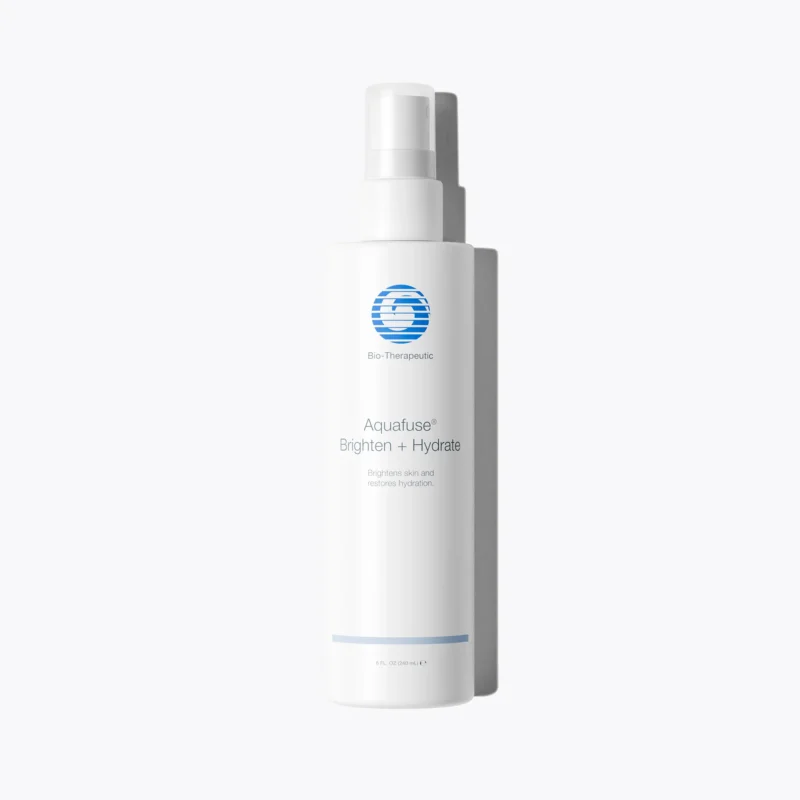 Bio-Therapeutic Aquafuse Brighten + Hydrate Price range: £22.80 through £46.20 VAT inc.
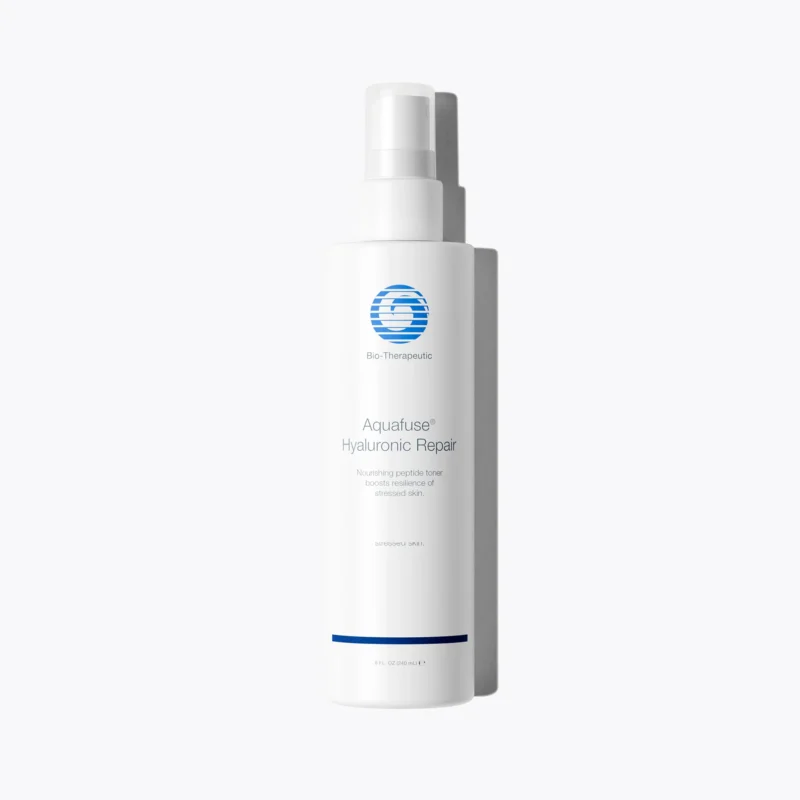 Bio-Therapeutic Aquafuse Hyaluronic Repair – Hydrating Toner Mist£52.00 VAT inc.
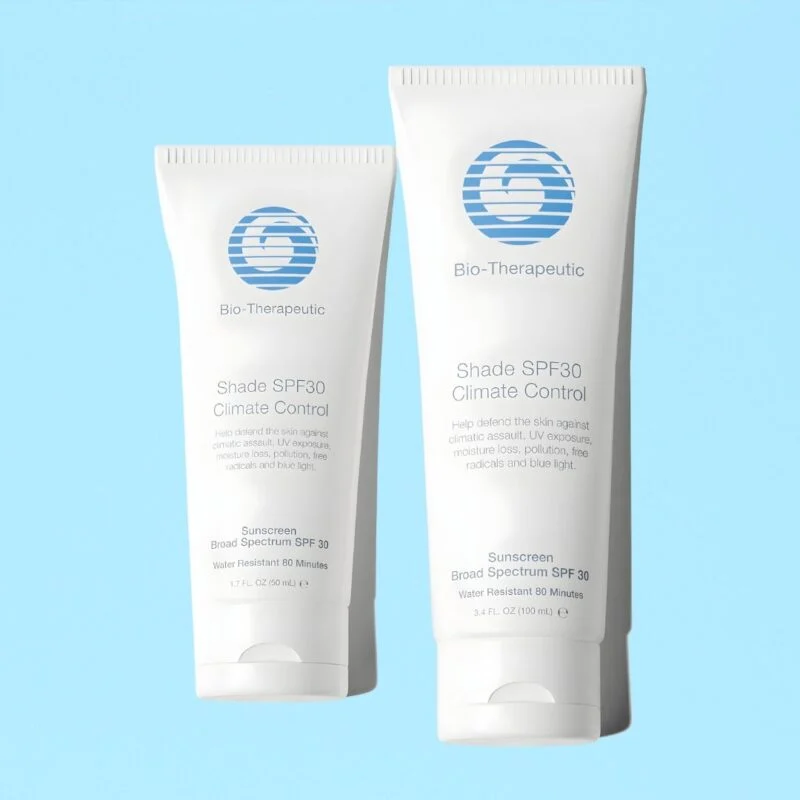 Bio-Therapeutic Shade SPF 30 Climate Control – Daily Face Sunscreen Price range: £28.80 through £43.40 VAT inc.
 Bio-Therapeutic bt-infusion Brightening Masque – Box of 10£71.70 VAT inc.
Can you use niacinamide with vitamin C?
Yes. The old advice to keep them apart came from early research using pure, unstable forms of both ingredients in conditions that don’t reflect modern skincare. Today’s formulas are designed to be used together, and plenty of products, including Aquafuse Brighten + Hydrate and the Aquafuse Brightening Toner, deliberately combine them.
If you layer separate products, apply the thinner one first and give each a moment to settle. Our vitamin C skincare guide explains the different forms of vitamin C and when to apply them.
What else does niacinamide work well with?
Niacinamide is one of the easiest ingredients to combine, which is a big part of its appeal.
- Hyaluronic acid: a natural pairing; one draws in water, the other helps skin feel comfortable. Our hyaluronic acid guide covers how to apply it on damp skin.
- Retinoids: niacinamide is often used alongside retinal or retinol to help skin feel more comfortable while you get used to them.
- Exfoliating acids: fine to use in the same routine, but if skin feels tingly or tight, use them on alternate evenings.
- Peptides and ceramides: work well together in a barrier-friendly routine.
- Sunscreen: niacinamide in your SPF is an easy win, because you’re applying it every morning anyway.
If you’re unsure about the order, our guide on how to layer serums, toners and creams walks through it step by step.
Are there any side effects of niacinamide?
Most people use niacinamide with no trouble at all. Occasionally, very concentrated products can leave skin looking temporarily flushed or feeling tingly, especially on sensitive skin or when layered with several other strong actives.
If that happens, switch to a product where niacinamide is one of several supporting ingredients, use it once a day rather than twice, and simplify the rest of your routine. As with any new product, patch test on a small area first. If you have a diagnosed skin condition, or your skin is broken or very inflamed, check with your GP or dermatologist before adding new actives. You can also email our team via the contact page for product advice.
Browse the full Bio-Therapeutic range to find niacinamide in the format that suits your routine, with free UK mainland delivery over £80.
Related reading
- Vitamin C Skincare: Forms, Benefits and When to Apply It
- A Routine for Oily, Congested Skin That Doesn’t Strip It
- The Calm Routine: Skincare for Sensitive, Reactive Skin
- How to Repair a Damaged Skin Barrier: Signs and a Gentle Routine
Frequently asked questions
Can I use niacinamide every day?
Yes. Niacinamide is gentle enough for most people to use every day, and many use it both morning and evening. Because its benefits build gradually, daily use is what makes the difference. If your skin feels tingly or looks flushed, cut back to once a day or choose a product where niacinamide sits alongside soothing, hydrating ingredients.
Should I use niacinamide in the morning or at night?
Either works, because niacinamide doesn’t make skin more sensitive to the sun. Many people find mornings easiest, using a niacinamide toner or a sunscreen that contains it. If you prefer, use it in the evening under your serum. What matters most is using it consistently, not the time of day you choose.
How long does niacinamide take to work?
Skin may feel more comfortable and look a little fresher within days, especially when niacinamide is paired with hydrating ingredients. Changes in the look of pores, shine and uneven tone are gradual, so give a product several weeks of steady daily use. Wearing SPF every morning helps you see the most from any brightening routine.
Is niacinamide good for oily skin and large pores?
It’s one of the most popular ingredients for oily skin. Used regularly, niacinamide can help skin look less shiny and help pores look smaller and smoother. It works best in a balanced routine: a gentle cleanser that doesn’t strip, a light moisturiser and daily sunscreen, rather than harsh products that leave skin tight.
Can I use niacinamide with retinol or retinal?
Yes, and many people find the combination helps skin feel more comfortable while it adjusts to a retinoid. Apply a niacinamide toner or mist first, then your retinoid serum, then moisturiser. Retinoids increase sun sensitivity, so wear a broad-spectrum SPF the next morning; a sunscreen with niacinamide neatly covers both steps.