To layer skincare properly, apply products from the thinnest, most watery texture to the thickest: cleanser, toner or mist, ampoule or serum, eye cream, moisturiser, and SPF last in the morning. Give each layer a moment to settle, keep strong actives such as retinoids and acids to separate routines, and use fewer, well-chosen products rather than many.
Key takeaways
- The golden rule is thinnest to thickest, water-based before oil-based.
- Sunscreen is always the final skincare step in the morning; retinoids belong in the evening.
- Two or three treatment layers are usually enough; more is not always better.
- Pressing products in with your palms wastes less than rubbing.
- A hydrating toner or booster on damp skin helps serums spread further.
Why does skincare layering order matter?
Each product is designed to do a job, and the order you apply them in affects how well that job gets done. Water-light formulas spread easily and sit closest to the skin; richer creams and oils form a protective layer on top. Apply a heavy cream first and a watery serum afterwards, and the serum has little chance of getting where it needs to be.
Order also affects comfort and cost. Layering in a sensible sequence means you need less of each product to cover your face, products pill (roll into little balls) less often, and you are less likely to irritate your skin by stacking actives that don’t belong together.
What is the correct order to apply skincare?
The table below shows a typical routine. You don’t need every step; skip what you don’t use, but keep the order.
| Step | Morning | Evening |
|---|---|---|
| 1. Cleanse | Gentle cleanser | Double cleanse if wearing make-up or SPF |
| 2. Tone, mist or booster | Hydrating mist | Hydrating mist or exfoliating toner (not both) |
| 3. Ampoule or watery serum | Hydrating or antioxidant | Hydrating or peptide |
| 4. Treatment serum | Vitamin C or peptides | Retinoid (if used) |
| 5. Eye cream | Light layer | Light layer |
| 6. Moisturiser | Lighter texture | Richer texture |
| 7. SPF | Always, last | Not needed |
Our step-by-step guides to the morning skincare routine order and the evening skincare routine order go into each stage in more detail.
How do you layer toners, ampoules and serums?
Start with a hydrating base
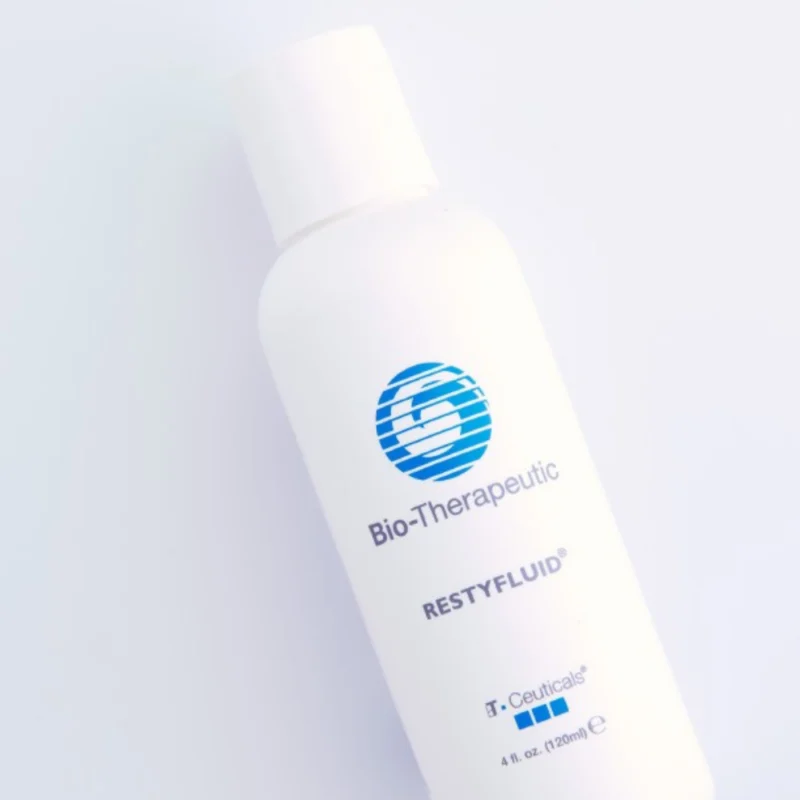
A toner or booster prepares the skin so the next layers glide on. Restyfluid is a good example of a multitasker: it contains low molecular weight sodium hyaluronate and peptides and can be used as a toner, as a pre-serum booster or as the conductive medium for microcurrent and ultrasonic devices. Apply it to clean skin and move on to your serum while the skin is still slightly damp.
Then the ampoule
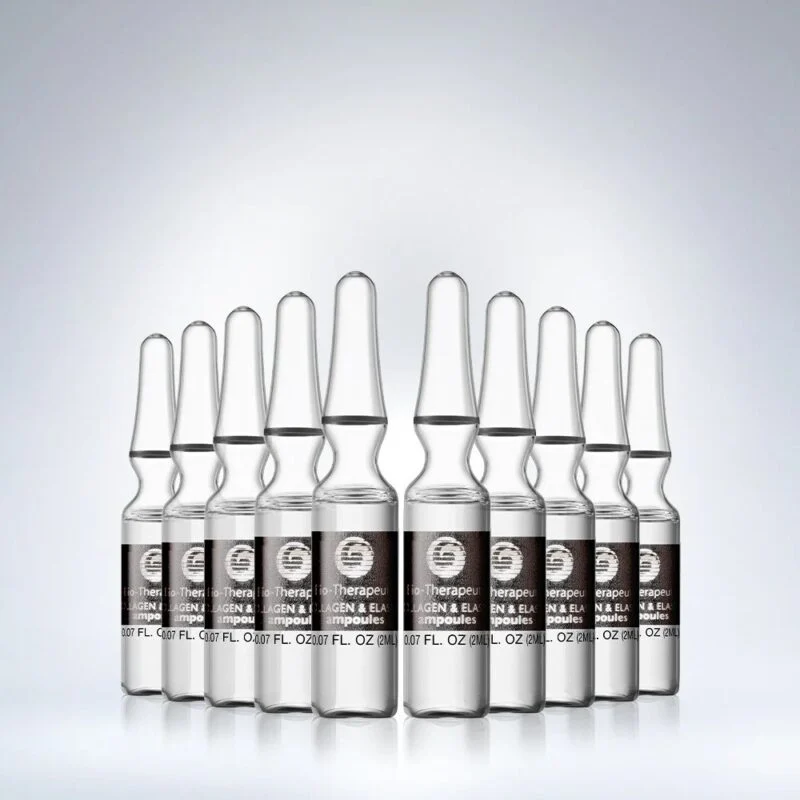
An ampoule is a concentrated, single-use treatment. If you use one, it goes before your serums because it is usually the most fluid. The Collagen & Elastin Ampoules give an intensive burst of hydration; press the contents into the skin and let it absorb for a moment.
Then one or two serums
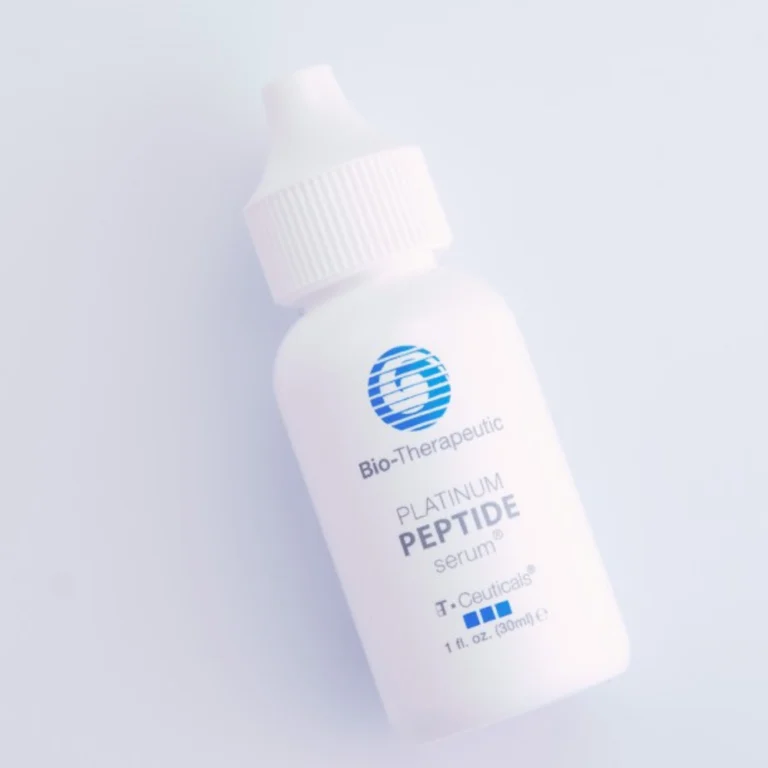
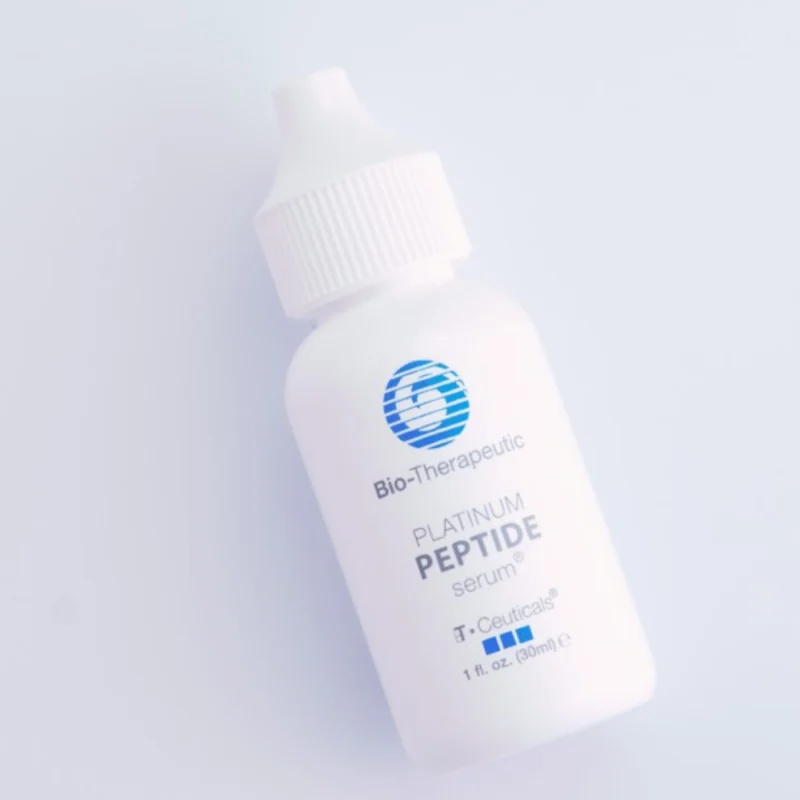
Choose serums by goal rather than collecting them. A peptide serum such as Platinum Peptide Serum fits in morning or evening. If you use more than one serum, apply the thinner one first. Our guides to hyaluronic acid and peptides explain where each ingredient shines.
Which skincare ingredients shouldn’t you layer together?
Most well-formulated products play nicely together. A few combinations are better split across morning and evening, or across alternate nights, mainly to avoid irritation.
- Retinoids and exfoliating acids: both can be strong; use them on different nights until you know how your skin responds.
- Retinoids and strong vitamin C: a simple fix is vitamin C in the morning and retinoid in the evening.
- Several exfoliants at once: an acid toner plus a scrub plus a peel is a recipe for a sore, tight face.
- Anything new: introduce one product at a time, a week or two apart, so you know what is working.
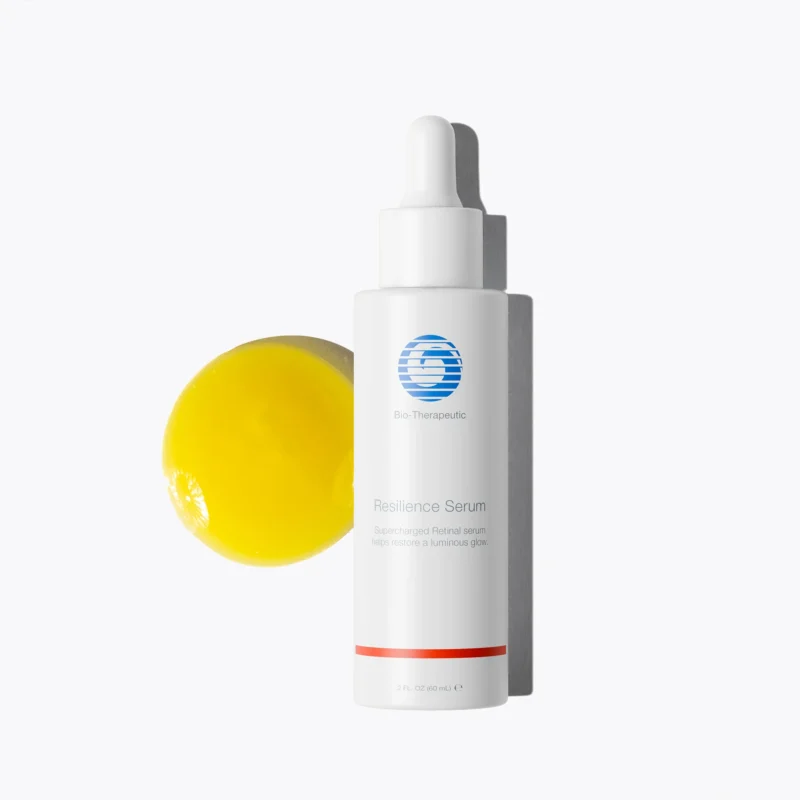
A retinal serum such as Resilience Serum, which combines stabilised retinal with bakuchiol, peptides and antioxidants, belongs in the evening, followed by moisturiser. Our guide to retinal vs retinol explains how to introduce it gradually.
How long should you wait between skincare layers?
There is no need to stand in the bathroom with a stopwatch. For most products, a pause of thirty seconds to a minute, or until the surface no longer feels wet, is enough. Two moments deserve a little more patience:
- Before moisturiser, let your serum settle so the two don’t simply slide around together.
- Before make-up, give your sunscreen a couple of minutes so it forms an even layer that foundation won’t disturb.
If products are pilling, you are probably using too much, layering too many products or rubbing too hard. Try pressing each layer in with flat palms instead.
Where do moisturiser and SPF go?
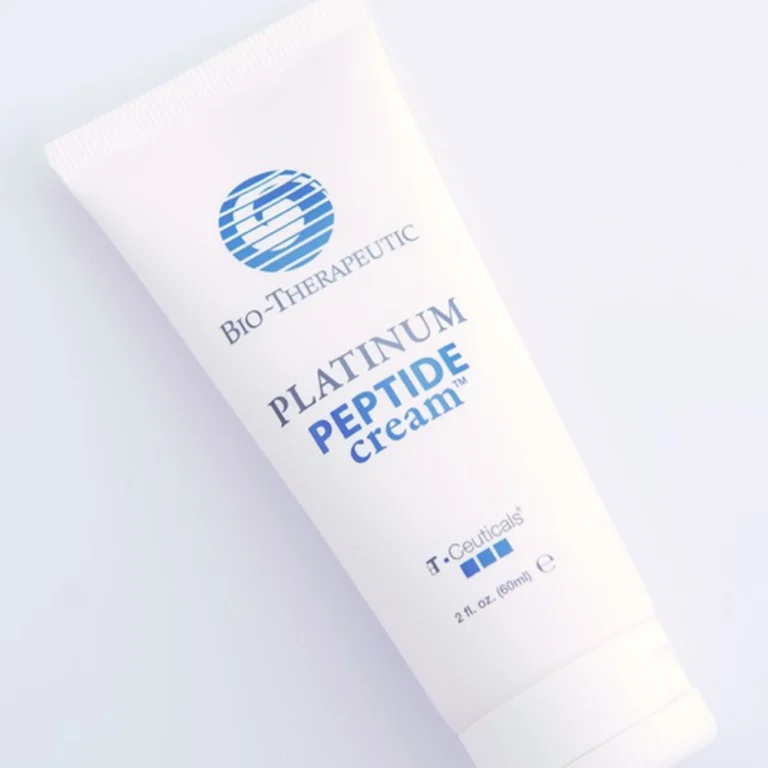
Moisturiser comes after your serums, sealing them in and supporting the skin barrier. A rich, peptide-based cream such as Platinum Peptide Cream suits evenings and drier skin. In the morning, SPF always goes last, after moisturiser and before make-up. Shade SPF 30 Climate Control is non-greasy and sits well under make-up. Our article on whether you need SPF every day in the UK explains why this step matters year round.
Can a device help your serums spread better?
Some devices are designed to work with your layers rather than replace them. The bt-micro fusion ultrasonic scrubber has an infusion mode for use with serums and moisturisers: you apply your serum, then glide the spatula over the skin to help it spread evenly and feel more thoroughly worked in. It’s a pleasant way to make a few drops go further. Use it on clean skin and follow the device instructions; you’ll find the rest of the device range on our Bio-Therapeutic page.
Related reading
- Morning Skincare Routine: The Right Order, Step by Step
- Evening Skincare Routine: What to Use and in Which Order
- Hyaluronic Acid: What It Does and How to Use It Properly
- Peptides in Skincare, Explained Without the Jargon
Frequently asked questions
How many serums can I layer at once?
Two is plenty for most people, three at most. Beyond that, products compete for space on the skin, pilling becomes more likely and the risk of irritation rises if several contain actives. A simple approach is one hydrating layer, such as a booster or ampoule, plus one treatment serum chosen for your main goal, then moisturiser on top.
Does serum go before or after moisturiser?
Before. Serums are lighter and more concentrated, so they go on clean, slightly damp skin first. Moisturiser follows to seal them in and support the skin barrier. The exception is if a product’s instructions say otherwise, or if you deliberately “buffer” a strong retinoid by applying moisturiser first to make it gentler while your skin adjusts.
Should I apply serum to damp or dry skin?
Slightly damp skin works well for most water-based serums, especially those with hyaluronic acid, because they spread more easily and you need less product. Strong actives such as retinoids are often better on dry skin, since damp skin can make them feel more intense. When in doubt, follow the directions on the pack.
Where does facial oil go in a skincare routine?
Usually near the end, after water-based serums and either before or mixed into your moisturiser. Oils sit on top of water-based layers, so applying one first can stop lighter products reaching the skin. In the morning, apply oil before sunscreen, not after, and let it settle so your SPF forms an even film.
Why is my skincare pilling?
Pilling usually means too much product, too many layers or not enough time between them. Some textures, such as silicone-rich primers and certain sunscreens, are also more prone to it. Use smaller amounts, press each layer in rather than rubbing, wait until the previous step feels dry, and try simplifying your routine to fewer products.