Menopause skincare is about comfort, hydration and protection. As oestrogen levels fall, many women find their skin feels drier, more sensitive and less firm than before, so a gentle cream cleanser, hydrating layers, a richer moisturiser and daily SPF usually help more than adding stronger actives. Small evening rituals that help you unwind can make the whole routine feel kinder.
Key takeaways
- Falling oestrogen is associated with drier skin, a loss of firmness and new sensitivity.
- Switch to a gentle, non-foaming cleanser and add hydrating layers before a richer moisturiser.
- Peptides, hyaluronic acid, ceramides and collagen products focus on comfort and a smoother look.
- Don’t forget the neck and chest, which often show changes early.
- Speak to your GP about menopause symptoms; skincare supports how your skin feels, not your hormones.
How does menopause affect your skin?
Oestrogen plays a part in keeping skin hydrated, supple and well cushioned. During perimenopause (the years leading up to your final period) and after menopause, levels fall, and many women notice their skin behaving differently, sometimes quite suddenly.
Common changes include:
- Dryness and tightness, as skin holds less moisture and produces less oil.
- A loss of firmness, especially along the jawline and neck.
- New sensitivity, with products you have used for years suddenly stinging.
- Flushing and redness during hot flushes.
- Dullness and uneven tone, as skin renewal slows down.
- Occasional breakouts, which can feel especially unfair at this stage.
None of this means you’ve done something wrong. It means your skin’s needs have changed, and your routine can change with it.
What should a menopause skincare routine include?
The aim is to protect the skin barrier (the outer layer that keeps moisture in and irritants out), add hydration and make skin feel comfortable. Here is a simple framework.
| Step | Why it helps | What to look for |
|---|---|---|
| Gentle cleanse | Avoids stripping already-dry skin | Cream or milk textures; no harsh foaming agents |
| Hydrating mist | Adds a first layer of water-loving ingredients | Hyaluronic acid, ceramides, soothing botanicals |
| Hydrating treatment | Intensive moisture and a plumper look | Collagen, elastin, peptides, hyaluronic acid |
| Rich moisturiser | Seals in hydration and supports the barrier | Peptides and barrier lipids |
| Daily SPF | Protects against UV-driven loss of firmness and uneven tone | Broad spectrum, SPF 30 or higher |
A gentle routine for menopausal skin, step by step
Morning
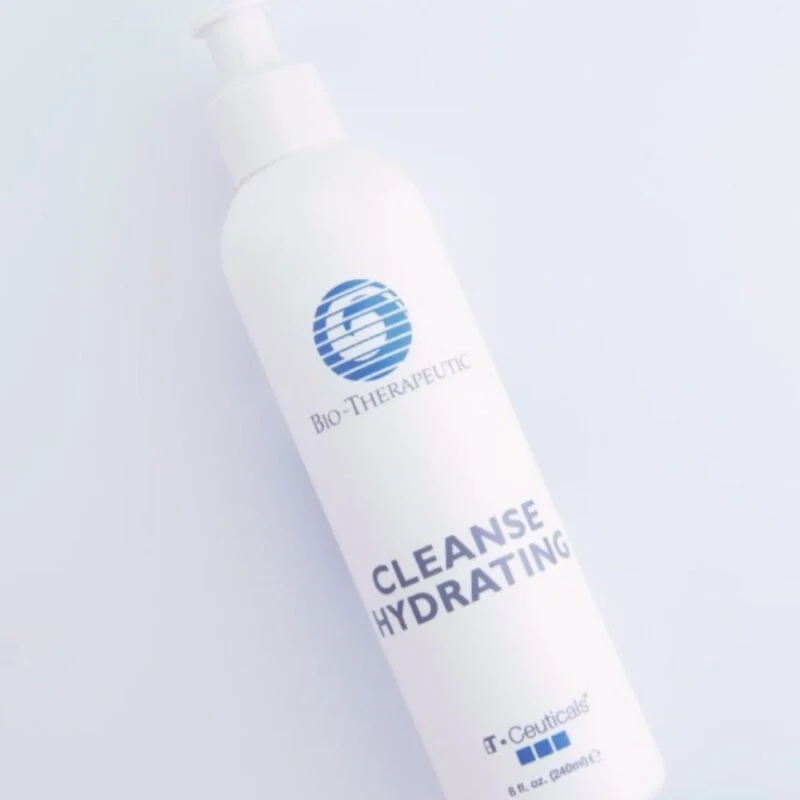
- Rinse with lukewarm water or use a small amount of a creamy cleanser such as Cleanse Hydrating, made with aloe and squalane for dry, sensitive and reactive skin.
- Mist with a hydrating toner while skin is still damp.
- Apply a light serum or eye cream if you use one.
- Moisturise.
- Finish with a broad-spectrum sunscreen such as Shade SPF 30 Climate Control, which is suitable for sensitive skin and wears well under make-up.
Evening
- Cleanse gently, twice if you wore make-up and SPF.
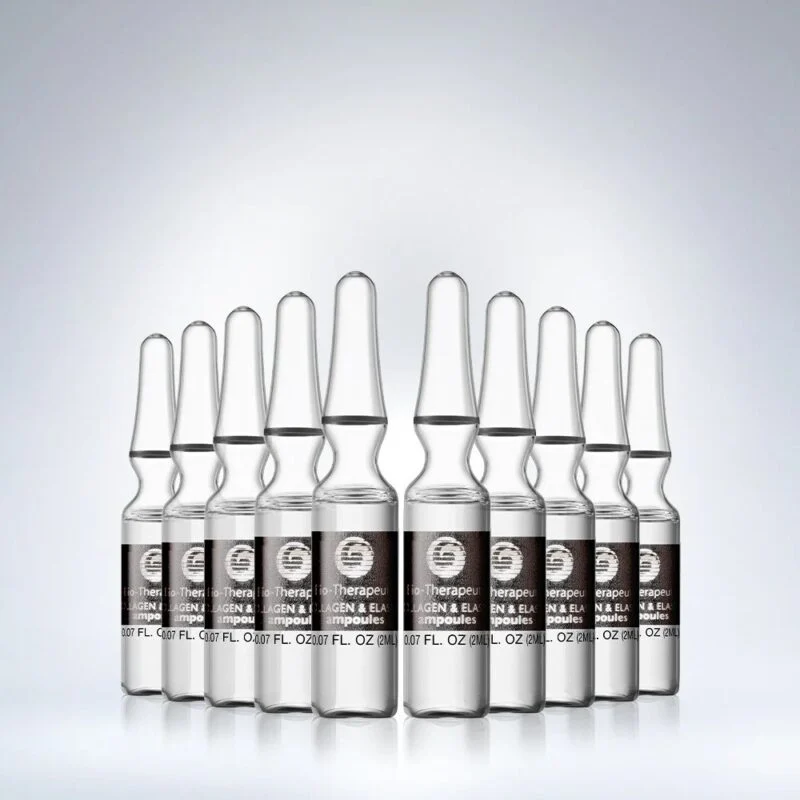
- Apply a hydrating treatment. The Collagen & Elastin Ampoules come in sealed single-use vials and give an intensive burst of hydration and a supple feel; our guide to what topical collagen can and can’t do sets honest expectations.
- If you use a retinoid, apply it now on the nights you’ve planned, starting slowly.
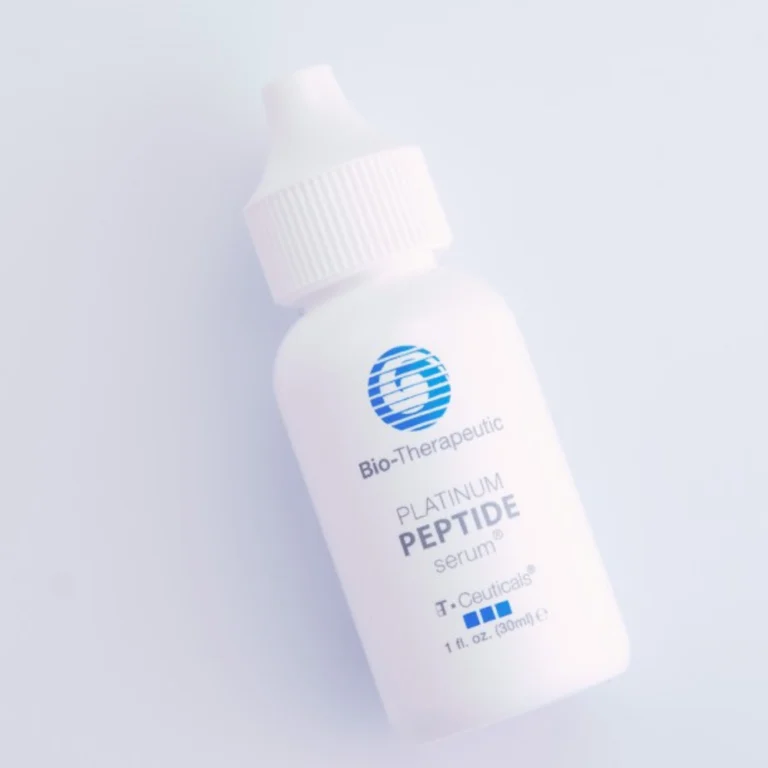
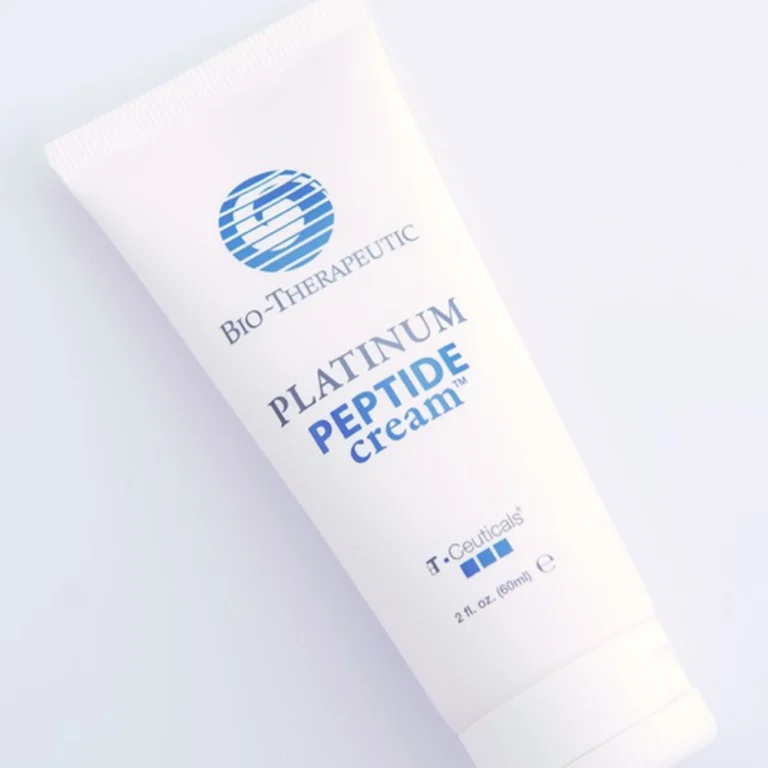
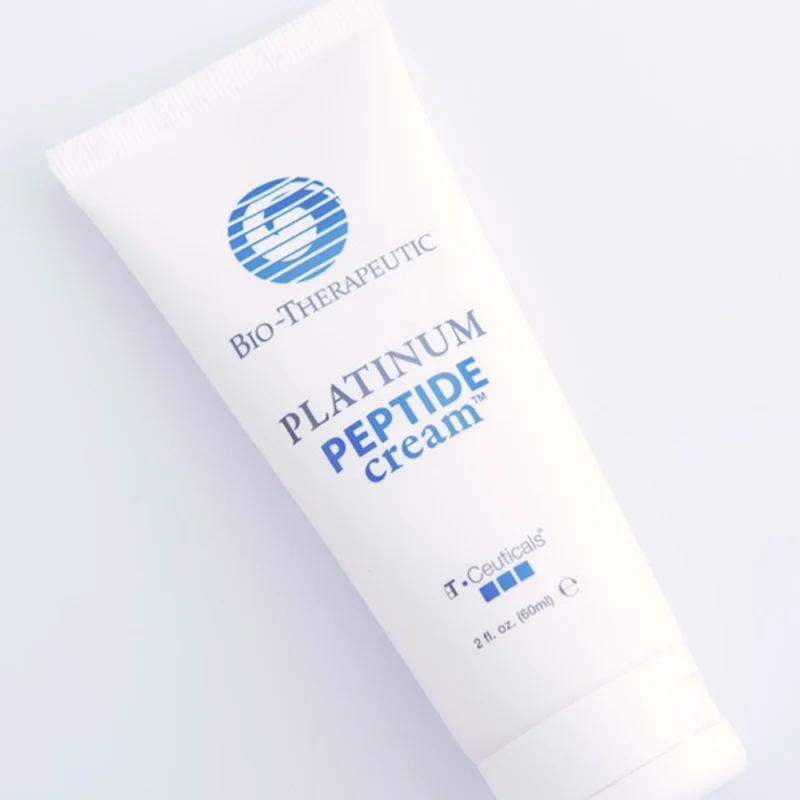
- Seal everything in with a rich cream such as Platinum Peptide Cream, which combines serum-strength peptides with barrier lipids.

Is your skin dry, dehydrated or both?
Dry skin lacks oil; dehydrated skin lacks water. Around menopause it is common to have both, which is why a routine that only adds a heavy cream can still leave skin feeling tight. Layering a watery hydrating step under a nourishing moisturiser tackles both at once. Our guide to telling dry and dehydrated skin apart explains the signs.
If your skin is stinging, flaking or reacting to everything, it may be a sign of a stressed barrier. Pause exfoliants and strong actives and follow our gentle skin barrier repair routine until it settles. A soothing balm-serum such as Chromatic Serum, with a peptide complex, green tea, licorice and lavender, is designed for stressed, reactive skin.
How can you care for your neck and chest?
The skin on the neck and chest is thinner than on the face, has fewer oil glands and often gets forgotten. Extend every step of your routine, including SPF, down past the jawline. Once or twice a week, a dedicated masque gives it focused attention: the Hyaluronic Delivery Neck Masque is a gel sheet shaped to fit the neck, and many women find it a calming ten minutes to themselves.
For a fuller routine built around firmness and comfort, our guide to skincare in your 40s and 50s adds peptide serums, eye care and optional microcurrent.
Can a wind-down ritual help your skin and your evenings?
Disrupted sleep is one of the most talked-about parts of menopause, and tired skin shows it. While skincare can’t change how you sleep, a consistent, calming evening routine gives your body a clear signal that the day is over. Many people find lying on an acupressure mat for ten to twenty minutes helps them relax and feel tension ease before bed.
The Bed of Nails Acupressure Mat & Pillow Set is the easiest place to start, and the full Bed of Nails range includes softer-feeling ECO options. Our guide to using an acupressure mat for a better wind-down before sleep explains how to build it into your evening. If you have diabetes-related skin sensitivity, take blood thinners or have any medical condition, check with your GP before using an acupressure mat.
When should you talk to your GP?
Skincare can help your skin feel and look more comfortable, but it doesn’t address the hormonal changes behind menopause. Speak to your GP about symptoms such as hot flushes, sleep problems or low mood, and about whether options such as HRT are right for you. Also see a GP or pharmacist if you develop persistent itching, a rash, sudden severe flushing or a skin change that worries you. You can explore more gentle, hydrating options across the Bio-Therapeutic range.
Related reading
- Skincare in Your 40s and 50s: A Routine That Works Harder
- Dry or Dehydrated Skin? How to Tell and the Routine That Helps
- Using an Acupressure Mat for a Better Wind-Down Before Sleep
- How to Repair a Damaged Skin Barrier: Signs and a Gentle Routine
Frequently asked questions
Why has my skin become so dry during perimenopause?
Falling oestrogen is associated with the skin holding less water and producing less oil, so many women notice dryness and tightness during perimenopause, sometimes before other symptoms. Switching to a creamy cleanser, adding a hydrating mist or serum and using a richer moisturiser usually helps skin feel more comfortable. Avoid very hot water and harsh foaming cleansers, which make dryness worse.
Can I still use retinol or retinal during menopause?
Many women do, but skin can be more sensitive at this stage, so introduce it slowly. Start with two or three evenings a week, apply it to dry skin, follow with a rich moisturiser and always wear SPF the next day. If your skin stings or flakes, reduce how often you use it. Check with your GP if you’re unsure about any product.
What is the best cleanser for menopausal skin?
A gentle, non-stripping cream or milk cleanser is usually the most comfortable choice, especially if your skin feels tight after washing. Look for soothing, hydrating ingredients such as aloe and squalane, and avoid strong foaming cleansers and gritty scrubs. If you wear make-up and SPF, a balm first cleanse followed by a creamy second cleanse works well.
Does menopause cause adult acne?
Some women do experience breakouts around menopause as the balance between hormones shifts. Keep your routine gentle rather than reaching for harsh drying products, which can upset already dry skin. A mild salicylic acid product used occasionally may help skin look clearer. If breakouts are painful, widespread or persistent, see your GP or a pharmacist for advice.
Should my skincare change after menopause?
It often helps to adjust it. Many women find they need richer moisturisers, more hydrating layers, gentler cleansers and less frequent exfoliation than before. Daily SPF becomes even more worthwhile. Listen to how your skin feels: if a product starts to sting or feel heavy, swap it rather than persevering. There’s no single routine that suits everyone.