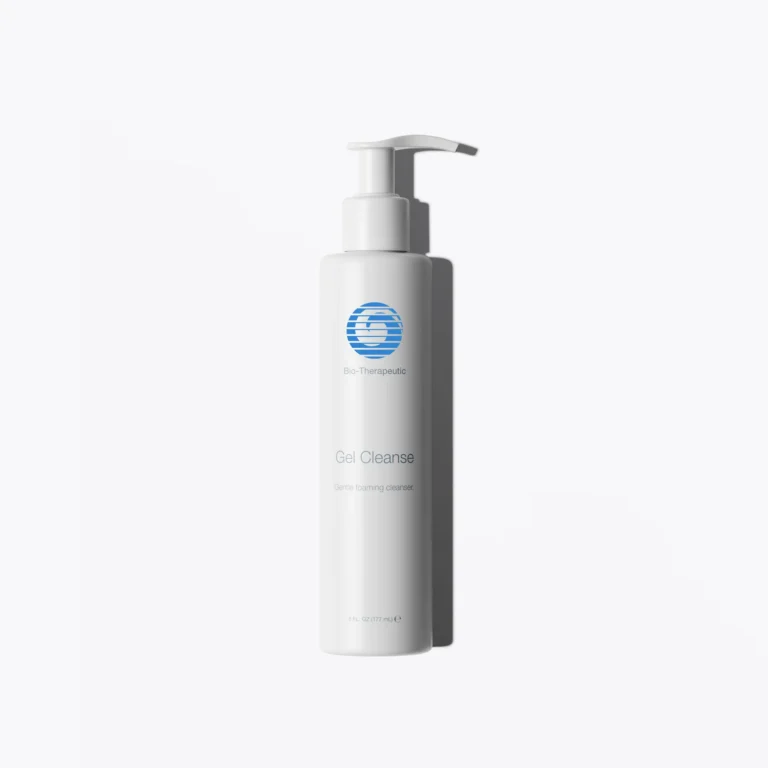
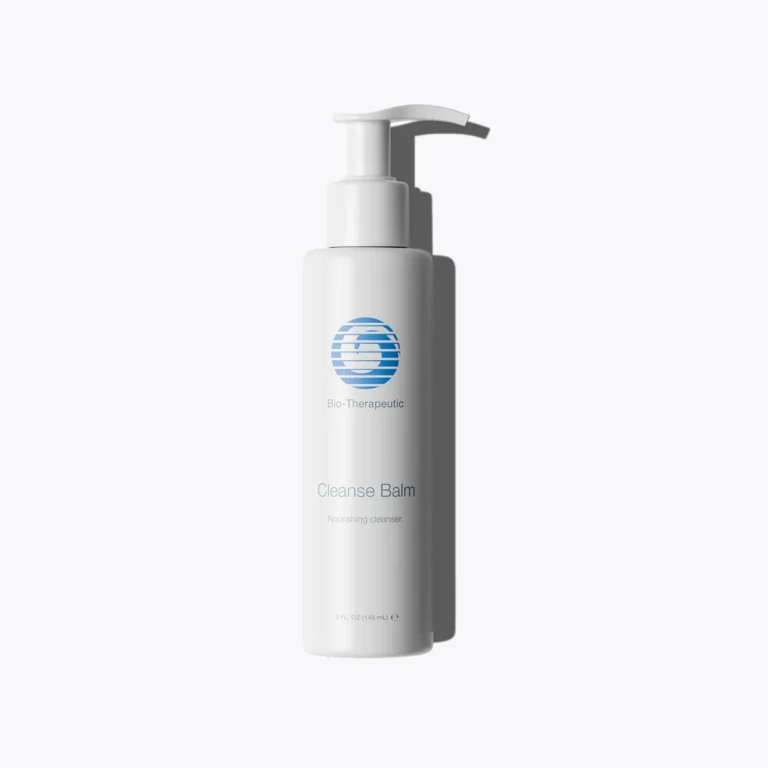
Skin barrier repair starts with doing less: pause exfoliants and strong actives, switch to a gentle cream cleanser, and layer hydration, ceramides and a comforting moisturiser until skin stops stinging and feels soft again. Most people find their skin feels noticeably calmer within a couple of weeks of a stripped-back routine, though it can take longer.
Key takeaways
- Tightness, stinging, flaking and sudden sensitivity to products you used to tolerate are classic signs of a stressed barrier.
- Over-exfoliation, harsh cleansers, too many actives and cold or heated air are the usual culprits.
- A barrier-friendly routine is short: cream cleanser, hydrating mist, soothing serum, rich moisturiser and SPF.
- Reintroduce acids and retinoids slowly, one at a time, once skin has settled.
- If you have a persistent rash, broken skin or suspect a skin condition, see a pharmacist or GP.
What is the skin barrier?
The skin barrier is the outermost layer of your skin, the stratum corneum. It is often described as a brick wall: skin cells are the bricks, and a mix of lipids, including ceramides, cholesterol and fatty acids, forms the mortar between them.
When the wall is intact, it holds water in and keeps irritants out. When the mortar is depleted, water escapes more easily and ingredients that never bothered you before can start to sting. That is what people mean by a damaged or compromised barrier. It is a description of how skin is behaving, not a medical diagnosis.
What are the signs of a damaged skin barrier?
A stressed barrier tends to announce itself. Look out for:
- Tightness soon after cleansing, even with a gentle product.
- Stinging or burning when you apply moisturiser or serum.
- Dry, rough or flaky patches.
- Redness that comes and goes, especially after washing.
- Skin that looks shiny yet feels tight, a sign of dehydration rather than oiliness.
- Sudden reactions to products you have used happily for months.
Some of these overlap with naturally sensitive skin and with dehydration. Our guides to skincare for sensitive, reactive skin and dry vs dehydrated skin help you tell them apart.
What damages the skin barrier?
Usually it is a combination of small things adding up rather than one product.
| Common cause | Why it matters | Simple fix |
|---|---|---|
| Over-exfoliating | Acids, scrubs and devices used too often wear down the surface layer | Exfoliate no more than once or twice a week, and pause while repairing |
| Harsh or foaming cleansers | Strip lipids along with dirt | Switch to a creamy, low-foam cleanser |
| Too many actives at once | Retinoids, acids and vitamin C layered together can overwhelm skin | Use one active at a time |
| Hot water | Dissolves skin lipids more readily | Wash with lukewarm water |
| Weather and central heating | Cold wind and dry indoor air pull moisture from skin | Richer moisturiser and a hydrating mist through the day |
If exfoliation is the likely cause, our guide to AHAs, BHAs, enzymes and scrubs explains how to come back to it more gently.
What is the best skin barrier repair routine?
Strip your routine back to the essentials for two to four weeks. Use the same simple steps morning and night, adding SPF in the morning.
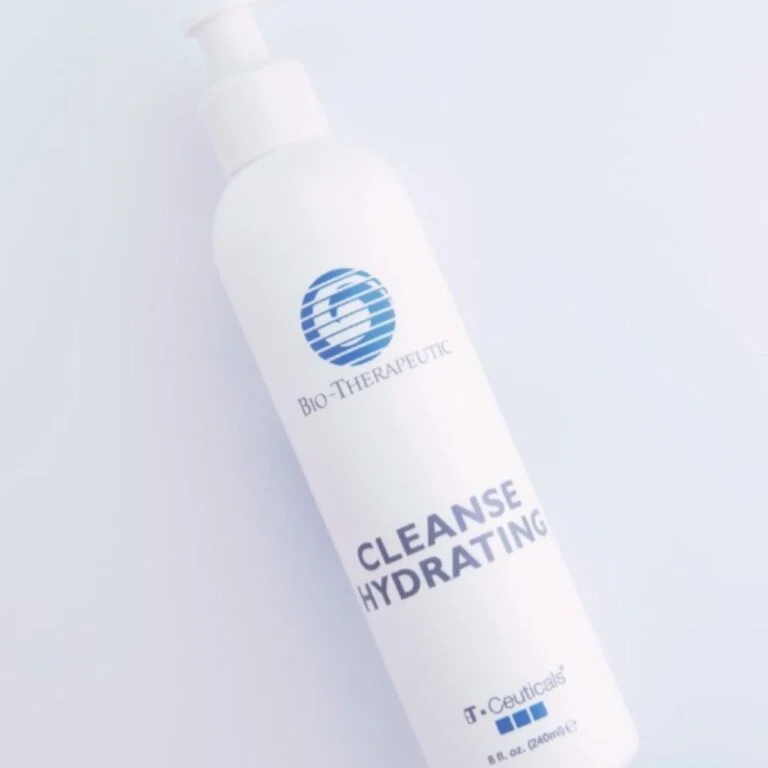
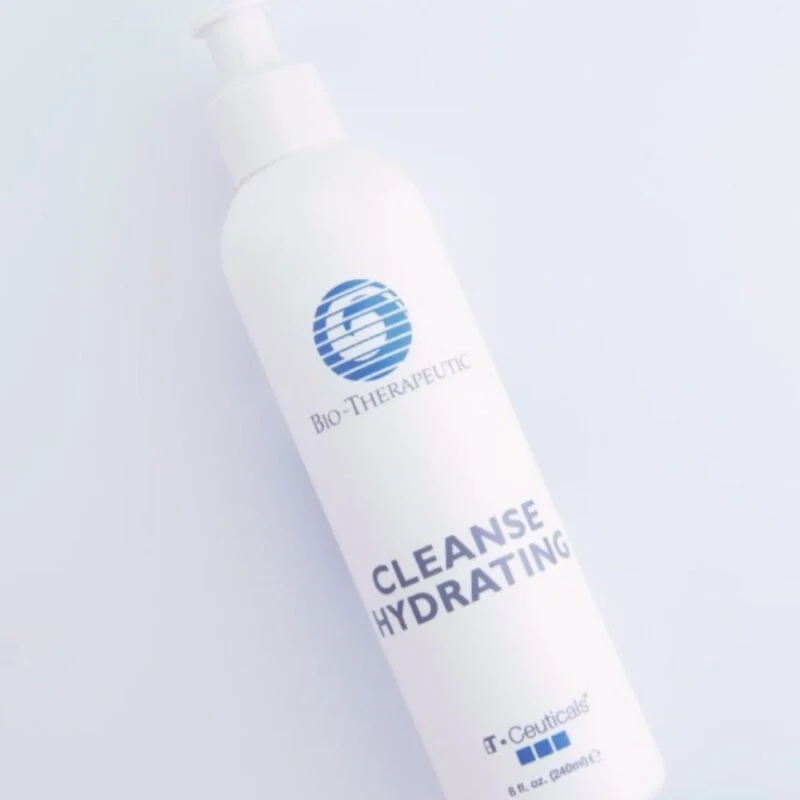
- Cleanse gently. Cleanse Hydrating is a creamy cleanser with aloe and squalane, made for dry, sensitive and reactive skin. Massage in with fingertips, rinse with lukewarm water and pat dry. In the morning, a splash of water may be all you need.
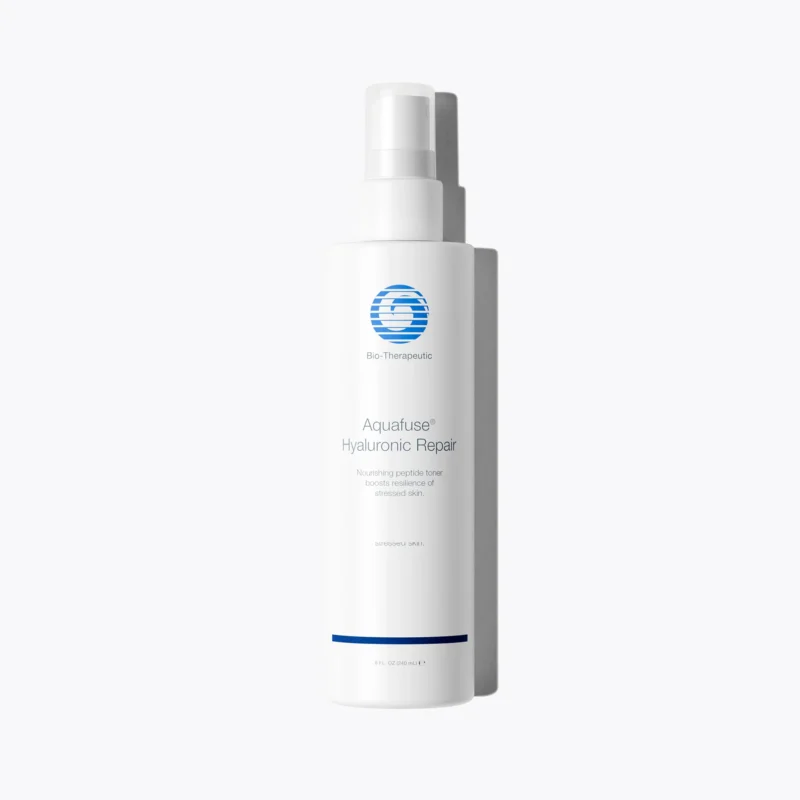
- Mist with ceramides. Aquafuse Hyaluronic Repair contains three ceramides, a peptide complex, niacinamide, hyaluronic acid and soothing botanicals such as marshmallow and gotu kola. Mist onto damp skin and press in.
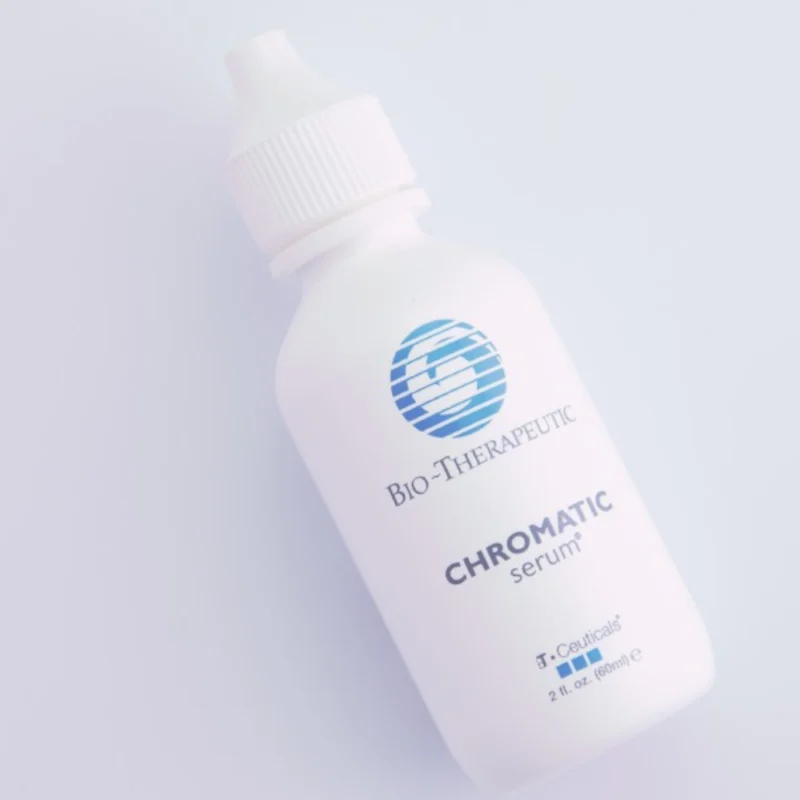
- Soothe. Chromatic Serum is a balm-serum for stressed, reactive skin, with a peptide complex, green tea and licorice to help calm the look of redness.
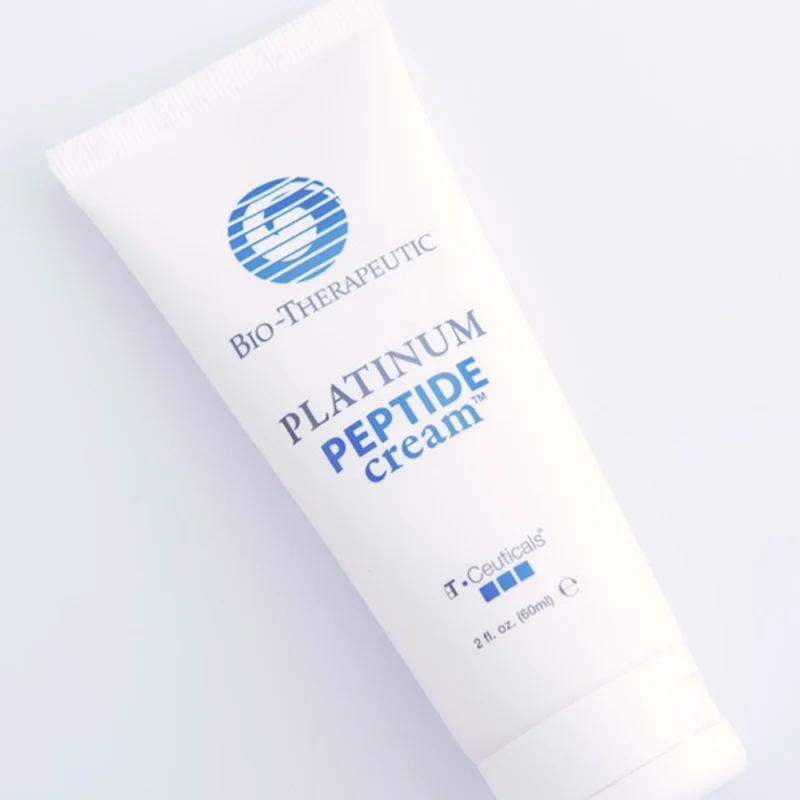
- Moisturise richly. Platinum Peptide Cream combines barrier lipids with peptides, so skin feels cushioned rather than coated.
- Protect in the morning. A broad-spectrum SPF such as Shade SPF 30 Climate Control, which is suitable for sensitive skin. Stressed skin is more easily irritated by sun, wind and pollution.
Can a face masque help a stressed skin barrier?
A cooling gel masque is one of the most comforting things you can do for skin that feels hot and tight. Unlike clay or peel-off masques, gel and hydrogel masques do not strip or pull at the surface.
The Hyaluronic Repair Face Masque is a copper-infused gel masque that cools quickly, with three peptides, hyaluronic acid and botanicals including skullcap, gotu kola and licorice. Use it once or twice a week after cleansing, then follow with your serum and cream. Keep the box in the fridge for an even cooler feel.
Which ingredients help a damaged skin barrier?
Look for ingredients that replace what is missing or help skin hold on to water:
- Ceramides: lipids that are a natural part of the barrier’s “mortar”.
- Hyaluronic acid and sodium hyaluronate: humectants, meaning they draw water into the skin’s surface.
- Niacinamide: vitamin B3, which helps skin retain moisture and supports a comfortable-feeling barrier. Read more in our niacinamide guide.
- Squalane and plant oils: emollients that soften and smooth.
- Peptides and soothing botanicals: help skin feel calmer and more resilient.
Avoid strongly fragranced products, alcohol-heavy toners and gritty scrubs until skin feels normal again. You can browse every product mentioned here on our Bio-Therapeutic page.
How long does it take to repair the skin barrier, and when do you reintroduce actives?
Many people feel a difference within a week or two of stopping the irritant and simplifying, but it can take a month or more for skin to feel fully resilient. Go by how your skin feels rather than the calendar: no stinging, no tightness after cleansing and no flaking.
Then bring back one active at a time, at a lower frequency than before. Try an exfoliant once a week, or a retinoid two evenings a week, and wait a fortnight before adding anything else. If skin starts stinging again, step back.
If you have a rash that does not settle, broken or weeping skin, swelling, or you suspect eczema, dermatitis or another skin condition, speak to a pharmacist or GP rather than relying on skincare alone.
Related reading
- The Calm Routine: Skincare for Sensitive, Reactive Skin
- Dry or Dehydrated Skin? How to Tell and the Routine That Helps
- Exfoliation Explained: AHAs, BHAs, Enzymes and Scrubs
- Niacinamide: The Multi-Tasker for Pores, Tone and Barrier
Frequently asked questions
Can you use retinol with a damaged skin barrier?
It is best to pause retinol, retinal and other retinoids until your skin feels calm again, because they can add dryness and sensitivity. Once the stinging and tightness have gone, reintroduce your retinoid slowly, perhaps two evenings a week, over a rich moisturiser if needed. Keep exfoliating acids on different nights, and always wear SPF the next morning.
Is Vaseline or petroleum jelly good for barrier repair?
Occlusives such as petroleum jelly form a seal that slows water loss, so some people find a thin layer over moisturiser helps very dry patches overnight. It does not suit everyone, particularly if you are prone to congestion. A rich moisturiser containing lipids and humectants is a more balanced everyday option for the whole face.
Why does my moisturiser sting all of a sudden?
Sudden stinging from a product you have used for a while usually means your skin barrier is stressed, often from over-exfoliating, weather changes or a new active. Ingredients pass into stressed skin more easily, so they are felt more. Simplify your routine to a gentle cleanser, a soothing moisturiser and SPF, and the stinging generally eases as skin settles.
Should I stop exfoliating if my skin barrier is damaged?
Yes. Stop all exfoliation, including acid toners, scrubs, peels and exfoliating brush heads, while your skin recovers. Exfoliating removes surface cells, which is exactly the layer that needs time to recover. When skin feels normal again, return to gentle exfoliation once a week and increase only if your skin stays comfortable.