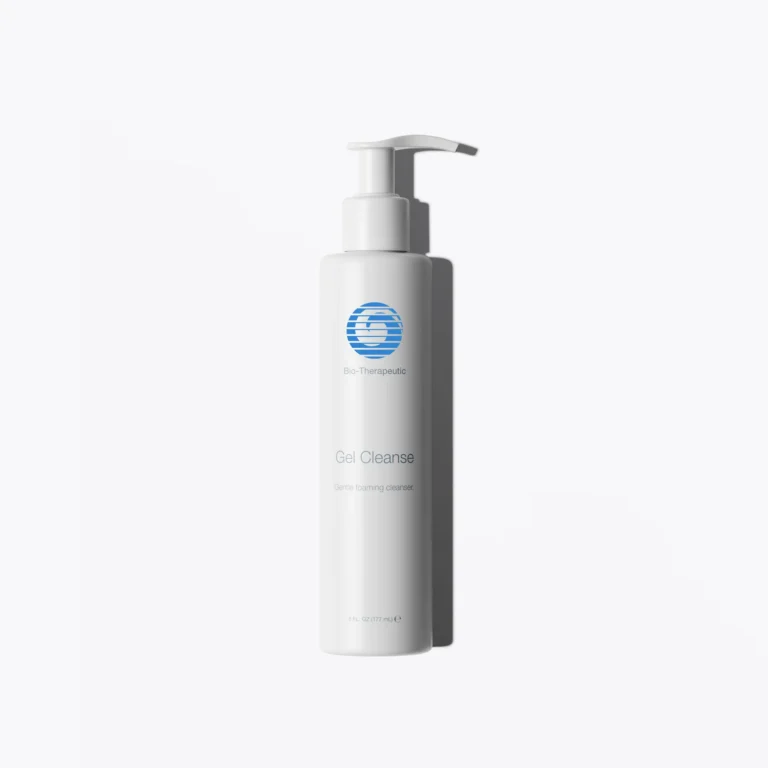
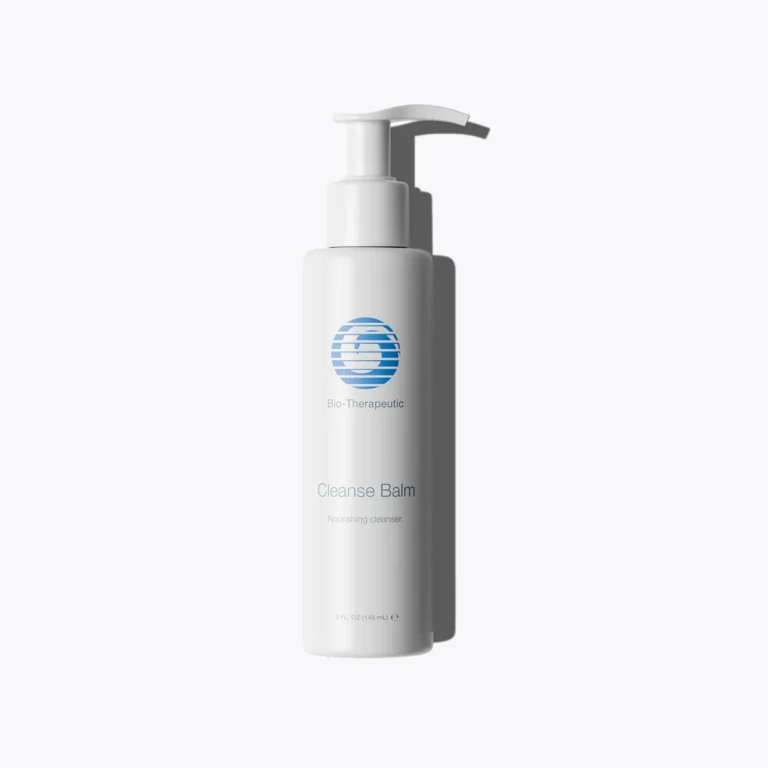
A good skincare routine for sensitive skin is short and gentle: a creamy, non-foaming cleanser, a soothing hydrating layer, a comfortable moisturiser and a broad-spectrum SPF that suits sensitive skin. Fewer products, fewer fragrances and slower changes give reactive skin the best chance to feel calm and comfortable.
Key takeaways
- Keep your routine short: cleanse, soothe, moisturise, protect.
- Introduce one new product at a time and patch test before applying it to your whole face.
- Avoid hot water, rough scrubs and stacking several active ingredients.
- Hydration and barrier support are usually more helpful than “treating” sensitivity.
- If redness, burning or bumps persist, see your GP or a dermatologist.
What makes skin sensitive or reactive?
“Sensitive skin” is a description rather than a diagnosis. It usually means skin that stings, burns, flushes or feels tight in response to products, weather or temperature changes. Some people have naturally sensitive skin; for others, it is temporary, often triggered by over-exfoliating, harsh cleansers or trying too many new products at once.
When the skin barrier, the outermost layer that keeps water in and irritants out, is under strain, skin tends to react more easily. That is why a gentle, barrier-friendly routine is the foundation of caring for sensitive skin.
If you think you may have a skin condition such as rosacea, eczema or dermatitis, see your GP or a dermatologist. Skincare can help skin feel more comfortable, but it is not a substitute for medical advice.
What is the best routine for sensitive skin?
Morning
- Rinse or cleanse gently. Lukewarm water may be enough. If you prefer a cleanser, use a creamy one.
- Hydrate. Mist a soothing, hydrating toner onto damp skin.
- Moisturise. A comfortable cream or soothing serum-balm.
- Protect. A broad-spectrum SPF suited to sensitive skin.
Evening
- Cleanse. A creamy cleanser removes SPF and makeup without stripping. Use a balm first if you wear heavy makeup.
- Hydrate. Your hydrating mist again.
- Soothe and moisturise. A calming serum, then a moisturiser if you need more comfort.
That is it. Once your skin has felt settled for several weeks, you can consider adding one targeted product.
Which products suit sensitive skin?
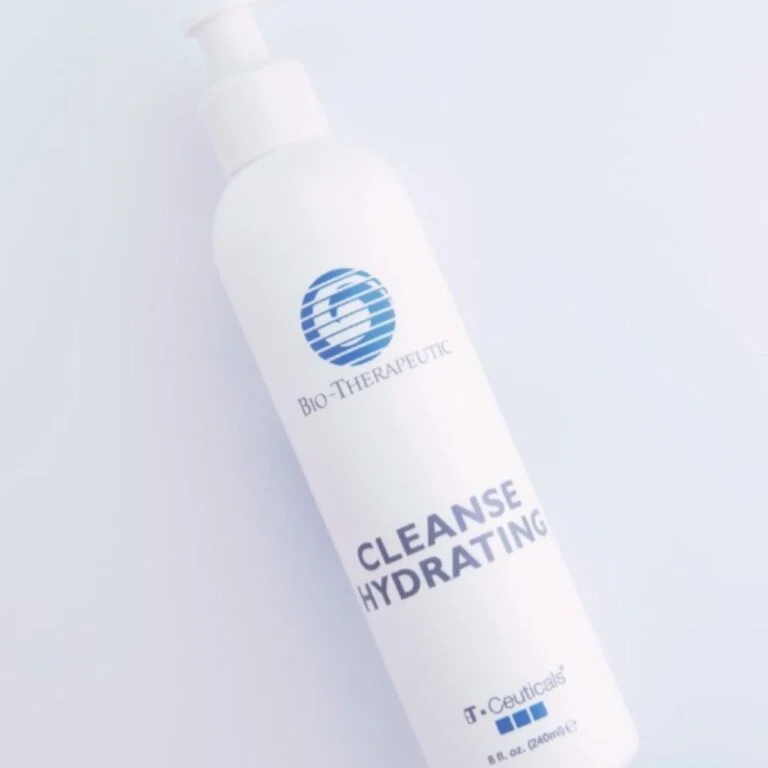
Cleanse Hydrating is a creamy cleanser with aloe and squalane, designed for dry, sensitive and reactive skin and gentle enough for the eye area. Massage it in with your fingertips, then remove with lukewarm water or a soft, damp cloth.
Aquafuse Hyaluronic Repair is a hydrating toner mist with three ceramides, a peptide complex, niacinamide, beta glucan, marshmallow, gotu kola and hyaluronic acid. Ceramides are lipids that occur naturally in the skin barrier, which is why they appear in so many formulas for sensitive skin.
Chromatic Serum is a soothing balm-serum for stressed, reactive skin, with a peptide complex, green tea and licorice. It also contains lavender, so patch test first if you know you react to fragrant plant extracts. If you need extra comfort, finish with a moisturiser such as Platinum Peptide Cream, which includes barrier lipids.
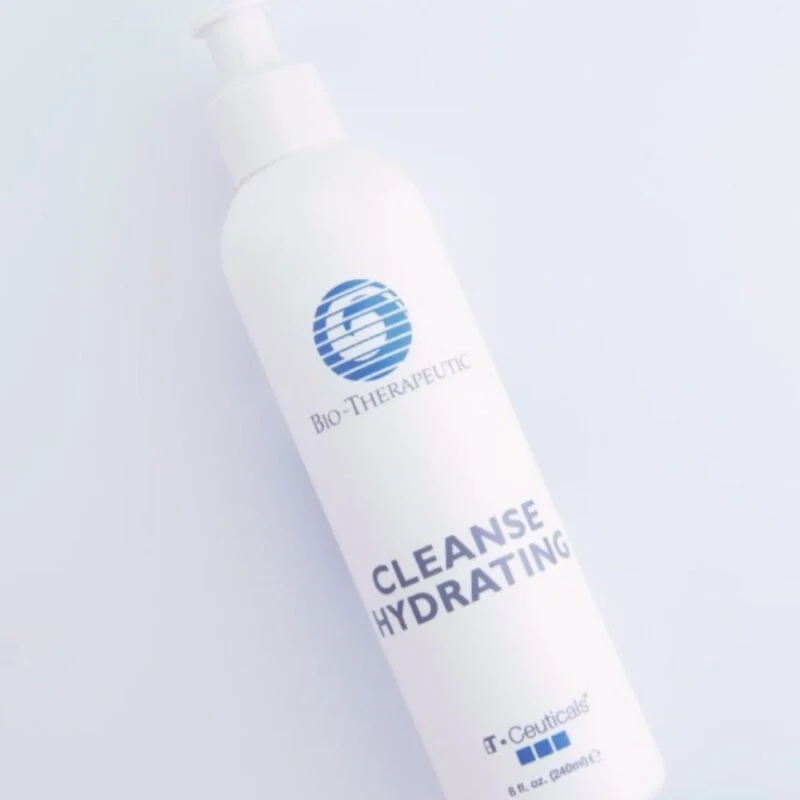 Bio-Therapeutic bt-ceuticals® Cleanse Hydrating – Cream Cleanser 237ml£43.80 VAT inc.
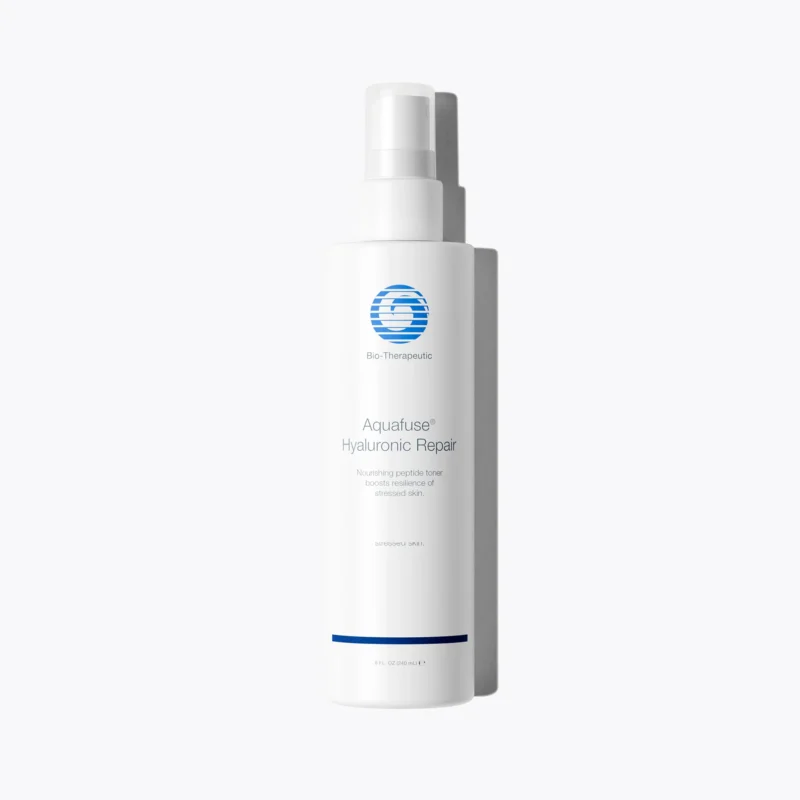 Bio-Therapeutic Aquafuse Hyaluronic Repair – Hydrating Toner Mist£52.00 VAT inc.
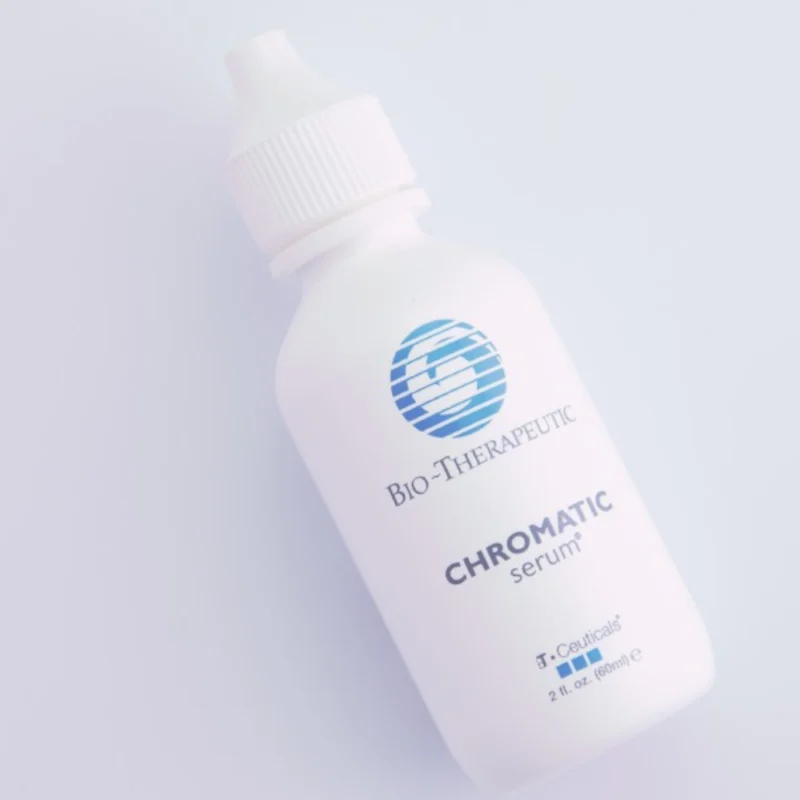 Bio-Therapeutic bt-ceuticals® Chromatic Serum 59ml£123.10 VAT inc.
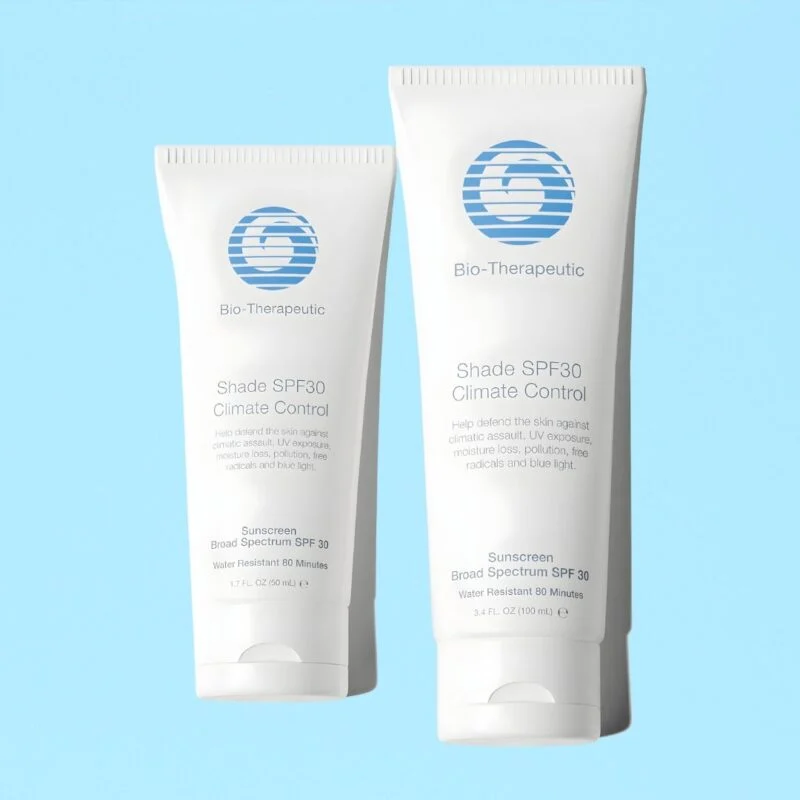 Bio-Therapeutic Shade SPF 30 Climate Control – Daily Face Sunscreen Price range: £28.80 through £43.40 VAT inc.
Which SPF is best for sensitive skin?
Daily SPF is important for sensitive skin, because UV exposure can leave skin looking red and feeling uncomfortable, and UVA reaches the UK all year round. Many people with sensitive skin find that sunscreens containing mineral filters, such as zinc oxide, feel more comfortable.
Shade SPF 30 Climate Control is a broad-spectrum hybrid sunscreen with zinc oxide, suitable for all skin types including sensitive. It is non-greasy, water-resistant and contains aloe, squalane and niacinamide. Our guide to daily SPF in the UK explains why it is worth wearing every day.
How do you patch test a new product?
Patch testing helps you spot a reaction before it affects your whole face. It does not guarantee a product will suit you, but it is a sensible step for reactive skin.
- Apply a small amount to a discreet area, such as behind the ear or along the jawline.
- Use it there once or twice a day for several days, as you would normally.
- Watch for redness, itching, burning or bumps.
- If your skin stays calm, start using it on your face a few times a week.
- If you react, rinse it off, stop using it and let your skin settle.
What should sensitive skin avoid?
| Avoid or limit | Why | Try instead |
|---|---|---|
| Hot water | Can leave skin feeling flushed and tight | Lukewarm water |
| Rough scrubs and brushes on high settings | Friction can irritate | Gentle enzyme exfoliation, used sparingly |
| Several acids or retinoids at once | Overloads reactive skin | One active, introduced slowly |
| Strong fragrance or essential oils | Common triggers for some people | Simpler formulas; patch test |
| Frequent product changes | Hard to spot what is causing a reaction | One new product every few weeks |
If you want to exfoliate, keep it gentle and occasional. Our guide to AHAs, BHAs, enzymes and scrubs explains which options tend to be kindest.
How can you calm skin after a reaction?
If your skin has reacted, strip your routine back to the essentials for a week or two: gentle cleanser, hydrating mist, moisturiser and SPF. Stop all exfoliants, retinoids and new products until it settles.
A cooling gel masque can make skin feel more comfortable. The Hyaluronic Repair Face Masque is a copper-infused gel masque that cools quickly, with peptides, skullcap, gotu kola, licorice and hyaluronic acid. Do not use any product on broken or weeping skin, and see your GP if a reaction is severe, spreading or not improving.
Tightness can also be a sign of dehydration; our guide to dry vs dehydrated skin helps you tell. If your skin barrier feels compromised, read how to repair a damaged skin barrier. You can browse the full Bio-Therapeutic range or ask us for advice through our contact page.
Related reading
- Dry or Dehydrated Skin? How to Tell and the Routine That Helps
- How to Repair a Damaged Skin Barrier: Signs and a Gentle Routine
- Exfoliation Explained: AHAs, BHAs, Enzymes and Scrubs
- Do You Really Need SPF Every Day in the UK?
Frequently asked questions
Can sensitive skin use vitamin C or niacinamide?
Many people with sensitive skin can use both, but it helps to start gently. Choose lower-strength or stabilised forms, introduce one at a time, and patch test first. Niacinamide is often well tolerated and appears in many barrier-friendly formulas. If either causes stinging or flushing, stop and reintroduce later at a lower frequency.
How do I know if my skin is sensitive or sensitised?
Naturally sensitive skin tends to react easily throughout your life, often to weather, fragrance or temperature. Sensitised skin is a temporary state, usually caused by over-exfoliation, harsh products or too many actives. If your skin became reactive after changing your routine, it is likely sensitised and should calm with a simpler, gentler regime.
Is micellar water good for sensitive skin?
Micellar water can be convenient, but some people find leaving it on the skin, or rubbing with cotton pads, irritating. If you use it, rinse afterwards with lukewarm water. A creamy cleanser massaged in with fingertips and removed with a soft cloth is often a gentler option for reactive skin.
Can you use a face mask on sensitive skin?
Yes, if you choose a soothing, hydrating masque rather than a clay or exfoliating one. Cooling gel masques are often comfortable for reactive skin. Patch test first, follow the timing on the pack and avoid using any masque on broken or irritated skin. Once or twice a week is plenty.