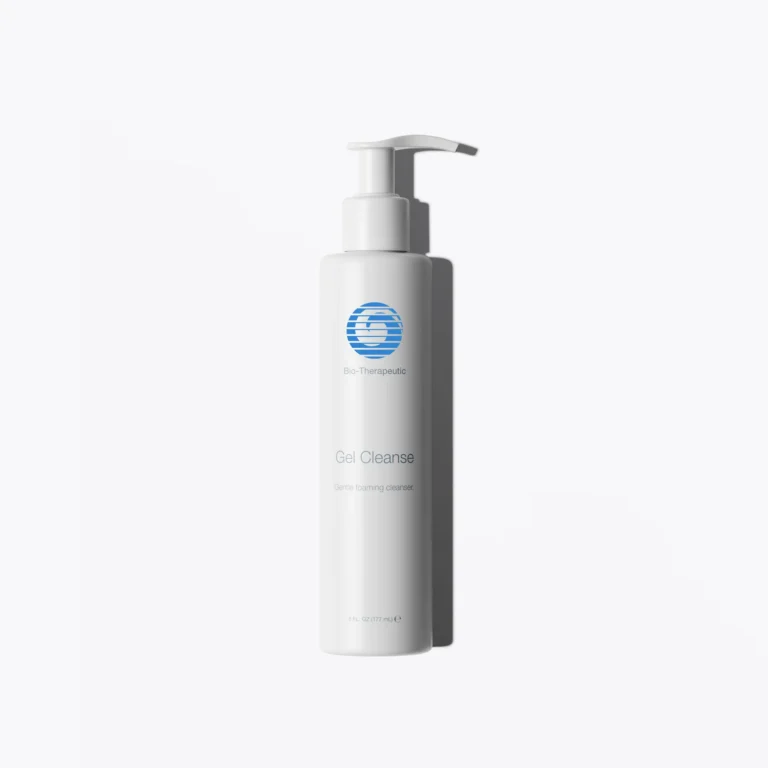
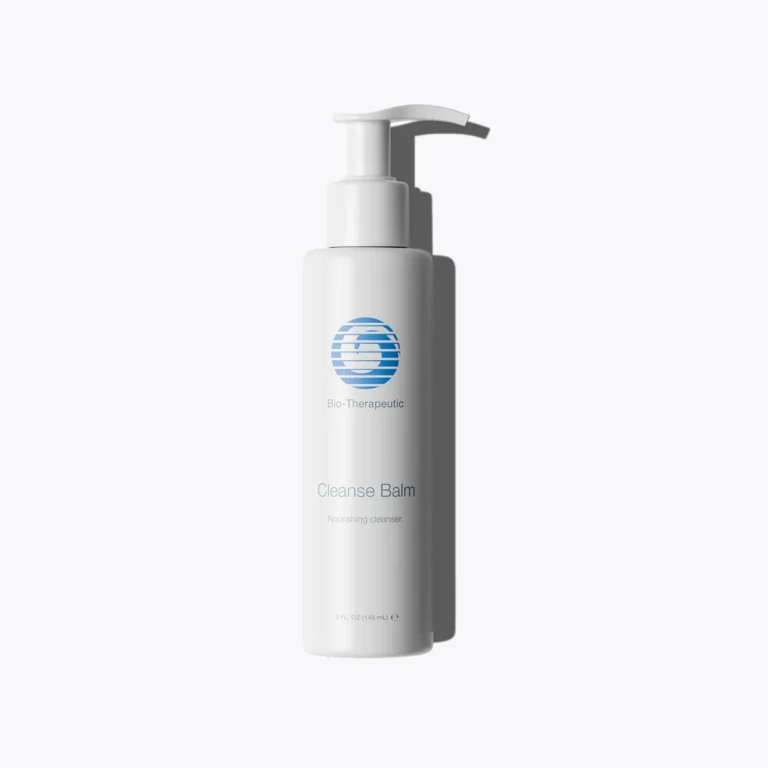
Dry skin lacks oil, while dehydrated skin lacks water, and a good dehydrated skin routine focuses on adding water back with humectants such as hyaluronic acid, then sealing it in with a moisturiser that supports the skin barrier. Dry skin is a skin type you are born with; dehydration is a temporary condition that can affect any skin type, including oily skin.
Key takeaways
- Dry skin is a type (low oil); dehydrated skin is a condition (low water). You can have both.
- Dehydrated skin often feels tight yet can still look shiny; dry skin tends to look flaky and feel rough.
- Hydrate with humectants such as hyaluronic acid, then lock it in with a moisturiser containing lipids.
- Gentle cleansing matters more than any single product.
- Central heating, air travel and harsh cleansers are common culprits in the UK.
What is the difference between dry and dehydrated skin?
Dry skin produces less oil (sebum) than other skin types. Because oil helps form the skin’s protective barrier, dry skin can feel rough, look flaky and lose water more easily. It tends to be dry all over, all year, though it may be worse in winter.
Dehydrated skin lacks water in its upper layers. It can happen to anyone, even if your skin is oily, and it usually comes and goes with the weather, central heating, flights, harsh cleansers or overusing active ingredients.
| Sign | Dry skin | Dehydrated skin |
|---|---|---|
| What is missing | Oil (lipids) | Water |
| Type or condition? | Skin type, usually long term | Temporary condition |
| How it feels | Rough, sometimes itchy | Tight, especially after cleansing |
| How it looks | Flaky, matte | Dull, fine dry lines; can still be shiny |
| Makeup | Clings to dry patches | Looks cakey or sinks into lines by midday |
| What helps most | Rich creams and oils | Humectants, then a sealing moisturiser |
How can you tell if your skin is dehydrated?
A simple check: wash your face with a gentle cleanser, pat dry and wait 30 minutes without applying anything. If your skin feels tight but shows some shine on the nose or forehead, dehydration is likely. If it feels tight and looks flaky all over with little shine, you probably have dry skin, possibly dehydrated as well.
Another rough guide is to gently pinch the skin on your cheek. If it creases into lots of fine lines rather than springing back smoothly, it may be short of water. These are home checks rather than a diagnosis; if your skin is very itchy, cracked or inflamed, see your GP or a pharmacist.
What causes dehydrated skin in the UK?
- Central heating and air conditioning, which dry the air indoors.
- Cold wind in autumn and winter.
- Flights and long journeys, where cabin air is very dry. Our travel skincare routine has tips for staying comfortable on the move.
- Harsh or foaming cleansers used too often, or very hot water.
- Too many actives, such as layering acids and retinoids. If you are starting a retinoid, our guide to retinal vs retinol explains how to build up gently.
What is the best routine for dehydrated skin?
The aim is to add water, then keep it there. Here is a simple routine that works morning and evening, with SPF added in the morning.
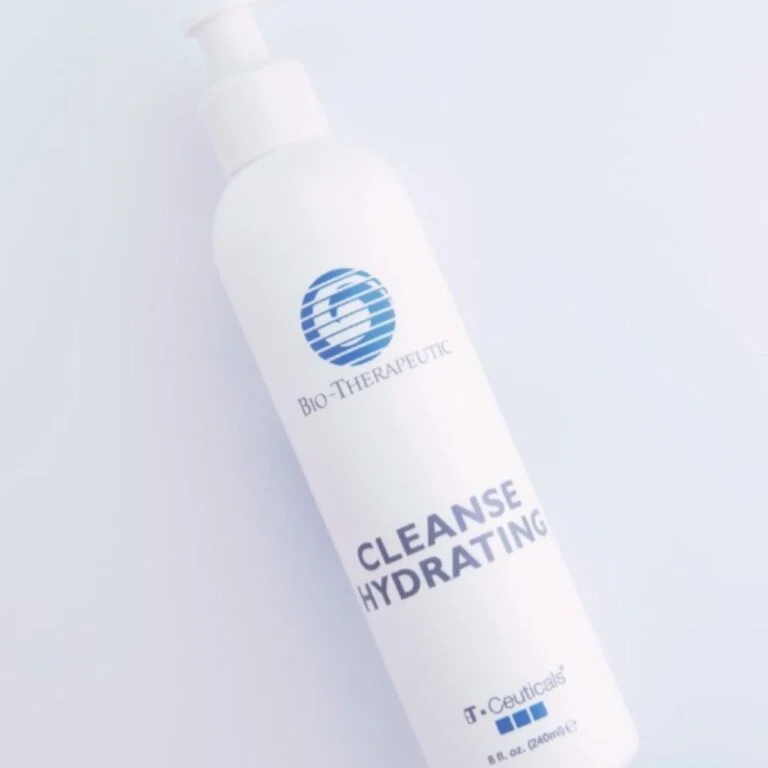
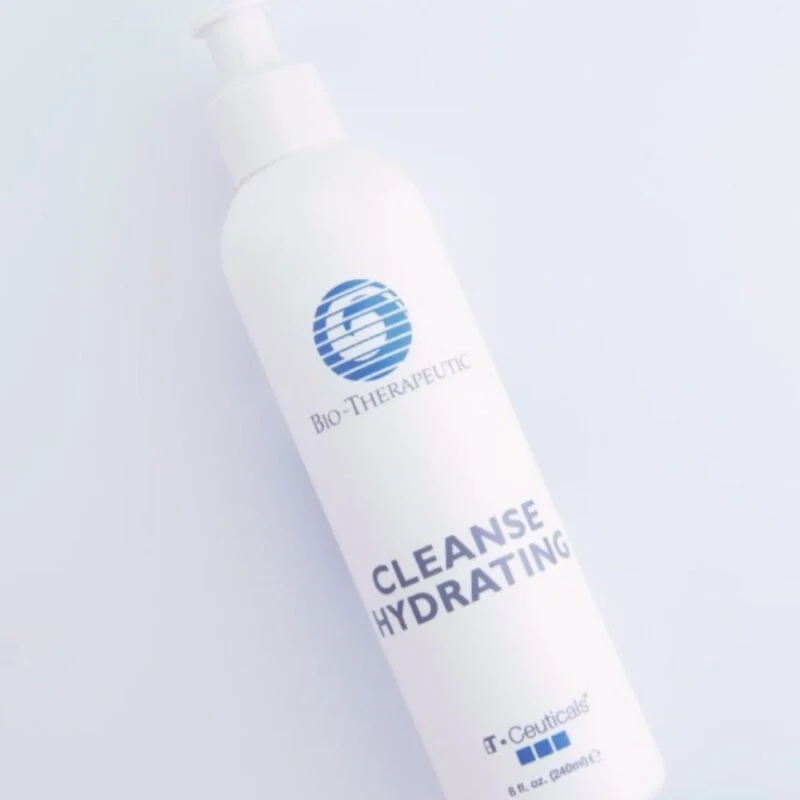
- Cleanse gently. Use a creamy, non-foaming cleanser with lukewarm water. Cleanse Hydrating uses aloe and squalane and is gentle enough for the eye area.
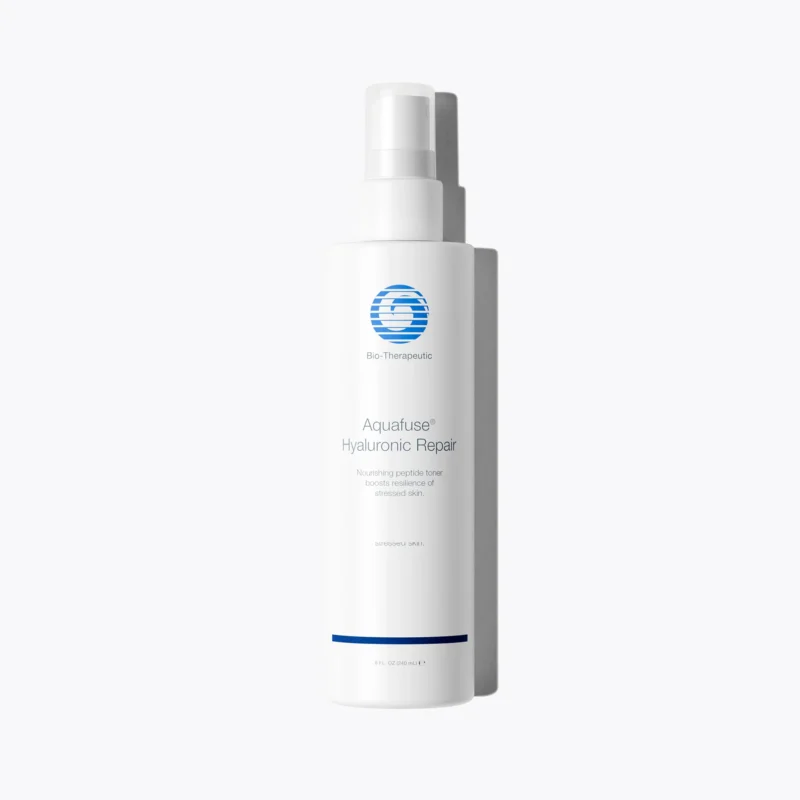
- Mist on damp skin. Aquafuse Hyaluronic Repair is a hydrating toner mist with hyaluronic acid, three ceramides, peptides, niacinamide and beta glucan.
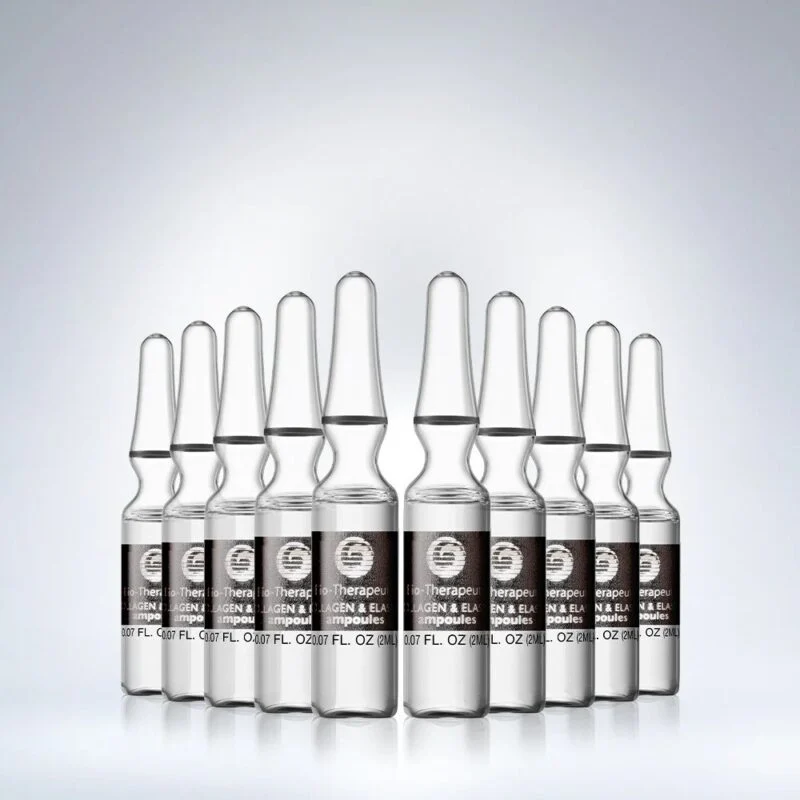
- Add a hydrating treatment. Collagen & Elastin Ampoules come in individually sealed doses of water-soluble collagen and elastin for intensive hydration and a supple feel.
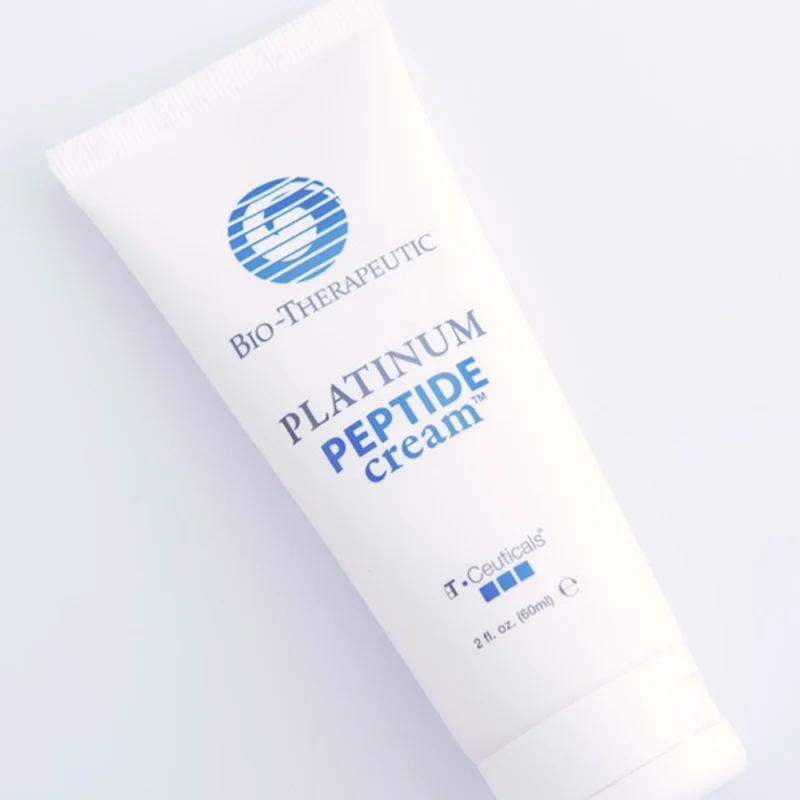
- Seal it in. Finish with a moisturiser containing lipids. Platinum Peptide Cream combines peptides with barrier lipids in a rich texture.
- Protect by day. Use a broad-spectrum SPF such as Shade SPF 30 Climate Control, which also contains sodium hyaluronate and squalane.
Humectants such as hyaluronic acid draw water into the skin, but they work best when skin is damp and when a moisturiser is applied on top. Our hyaluronic acid guide explains why.
How should you adjust the routine for dry skin?
If your skin is dry as well as dehydrated, keep the routine above but lean into richer textures. Apply your moisturiser more generously at night, consider a few drops of face oil as the very last step, and use a balm cleanser for your first evening cleanse if you wear makeup or SPF.
Dry skin often benefits from less exfoliation, not more. If flakes bother you, use a gentle enzyme exfoliant once a week rather than a scrub, and always follow with moisturiser.
Do face masks help dehydrated skin?
Yes, a hydrating masque once or twice a week is one of the most pleasant ways to give dehydrated skin a boost. Sheet and biocellulose masques hold serum against the skin for longer than a quick layer would, so skin feels noticeably softer and plumper afterwards.
The bt-infusion Hydrating Masque is the most hydrating of the bt-infusion biocellulose series, designed for dry and stressed skin. Apply after cleansing and misting, leave on as directed, then press the remaining serum in and follow with moisturiser. To compare textures and formats, read sheet masks, biocellulose or gel masques.
What else helps dehydrated skin feel better?
- Apply skincare to slightly damp skin, within a minute of cleansing.
- Keep showers warm rather than hot, and keep your face out of the hottest water.
- Pause strong acids and retinoids until your skin feels comfortable again.
- Use a humidifier, or a bowl of water near the radiator, in rooms with central heating.
- Carry a hydrating mist for long days in heated offices and on flights.
If your skin is also stinging or reacting to products, your barrier may need extra care; see our guide on how to repair a damaged skin barrier. You will find every product here in our Bio-Therapeutic collection, with free UK mainland delivery over £80.
Related reading
- Hyaluronic Acid: What It Does and How to Use It Properly
- Sheet Masks, Biocellulose or Gel Masques: Which Should You Choose?
- Winter Skincare in the UK: Central Heating, Cold Wind and Tight Skin
- Travel Skincare: How to Keep Your Routine (and Calm) on the Move
Frequently asked questions
Can oily skin be dehydrated?
Yes. Oil and water are different things, so skin can produce plenty of sebum while still lacking water in its upper layers. Oily but dehydrated skin often feels tight after cleansing yet looks shiny by lunchtime. Swap harsh foaming cleansers for gentle ones, add a hydrating mist or serum, and use a lightweight moisturiser rather than skipping it.
Does drinking more water fix dehydrated skin?
Staying well hydrated is good for your general health, but drinking extra water is unlikely to solve dehydrated skin on its own. Surface dehydration is mostly about water loss from the skin, which is influenced by cleansing, weather, heating and your skincare. Gentle cleansing, humectants and a good moisturiser make the most noticeable difference.
How long does it take to rehydrate skin?
Skin often feels more comfortable within a few days of switching to a gentler routine, especially if you stop using harsh cleansers and too many actives. A consistent routine over a few weeks usually helps it look smoother and more even. If tightness, flaking or stinging persists, speak to a pharmacist, GP or skin professional.
Is hyaluronic acid good for dry skin?
Hyaluronic acid suits dry skin, but on its own it is not enough. It is a humectant that draws water into the skin, while dry skin also needs oils and lipids to reduce water loss. Apply hyaluronic acid to damp skin, then follow with a richer moisturiser so the hydration is held in place.