A good winter skincare routine in the UK swaps stripping cleansers for creamy ones, adds a hydrating layer under a richer moisturiser and keeps daily SPF, because UVA is still present in winter. Cold wind outdoors and dry, centrally heated air indoors both pull moisture from the skin, so the focus shifts from clarifying to cushioning and protecting the skin barrier.
Key takeaways
- Central heating and cold wind both dry the skin, so most people need more hydration in winter.
- Switch to a gentle cream cleanser and avoid very hot water.
- Layer a hydrating mist or serum under a richer moisturiser to tackle tightness.
- Reduce exfoliation if skin feels sensitive, and keep SPF in your morning routine.
- A calming evening ritual makes long, dark evenings feel more restful.
Why does skin feel tighter in a UK winter?
Winter attacks skin from two sides. Outside, cold air holds less moisture and wind whips away what is on the surface, which is why cheeks often feel raw after a walk. Inside, central heating warms the air and lowers its humidity, so your skin loses water to the room for hours at a time.
Moving between the two makes things worse: going from a cold street into a hot office or shop can leave skin looking flushed and feeling tight. Add long hot showers and woolly scarves rubbing against the jaw, and it’s no surprise that many of us feel drier, flakier and more sensitive between November and March.
What should you change in your skincare for winter?
You don’t need a completely new routine, just a few seasonal swaps.
| Step | Summer habit | Winter swap |
|---|---|---|
| Cleanser | Foaming gel | Cream or balm cleanser |
| Toner | Clarifying or exfoliating | Hydrating mist with ceramides |
| Serum | Lightweight, oil-control | Hydrating, peptide-rich |
| Moisturiser | Light lotion or gel | Richer cream with barrier lipids |
| Exfoliation | Two or three times a week | Once a week, or pause if sensitive |
| Masque | Cooling, clarifying | Intensely hydrating |
| SPF | Daily | Still daily |
If you have oily or combination skin, you may only need one or two of these swaps. Let how your skin feels guide you.
A winter skincare routine, step by step
Morning
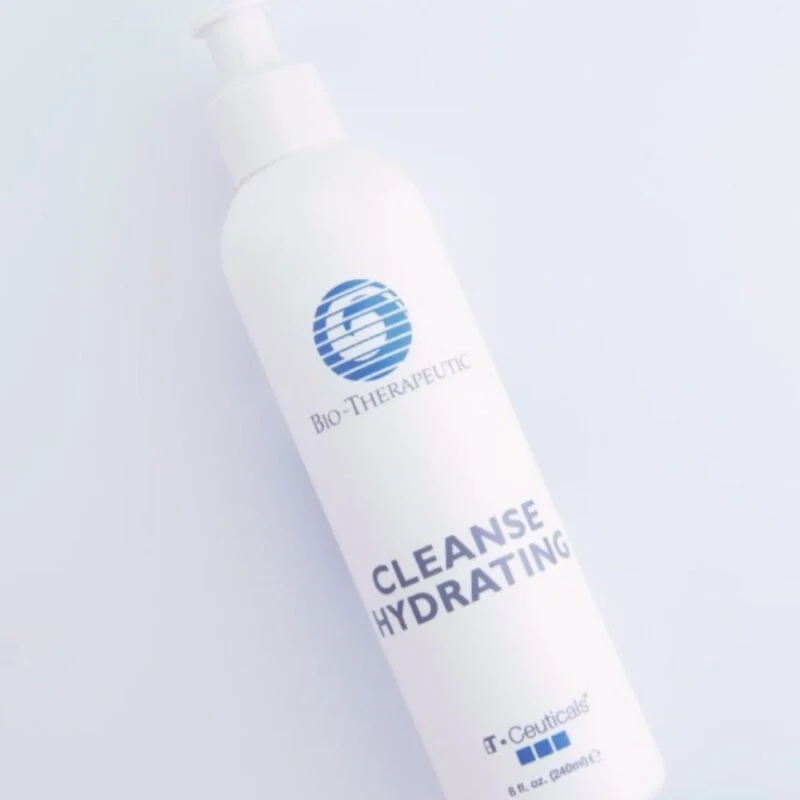
- Cleanse gently. A creamy cleanser such as Cleanse Hydrating, made with aloe and squalane, cleans without leaving skin squeaky. Use lukewarm, not hot, water.
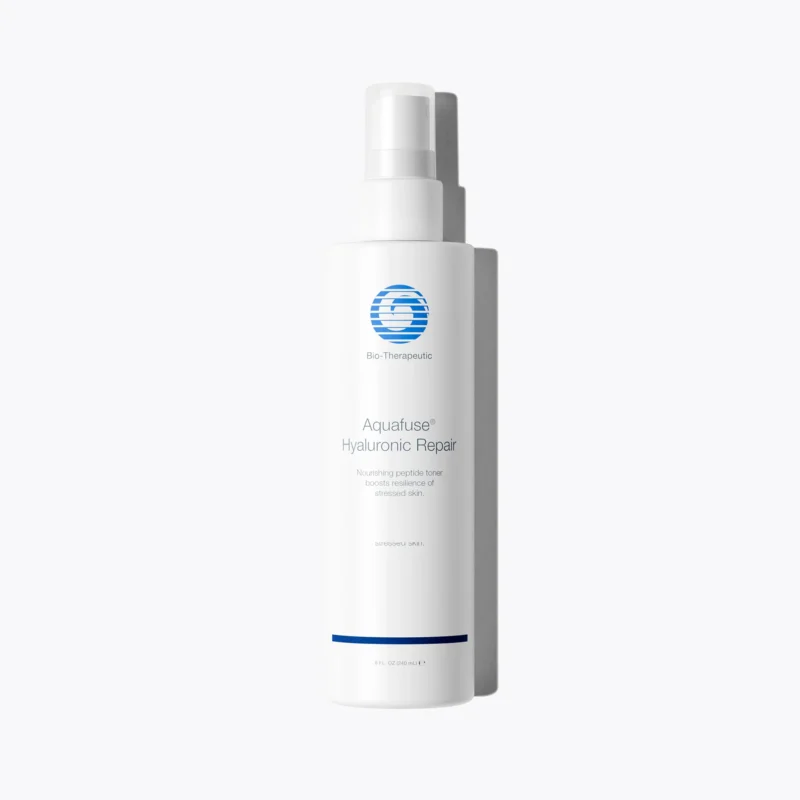
- Mist while damp. Aquafuse Hyaluronic Repair combines three ceramides, a peptide complex, niacinamide and hyaluronic acid. Ceramides are lipids that naturally help hold the skin barrier together.
- Apply serum and eye cream if you use them.
- Moisturise generously, paying attention to cheeks and around the nose.
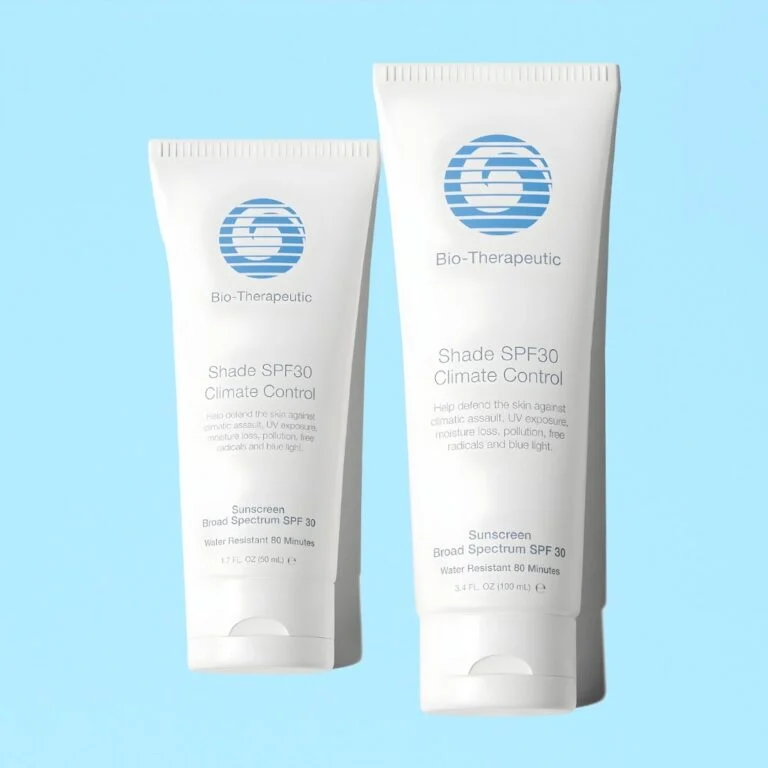
- Finish with SPF. Shade SPF 30 Climate Control includes squalane and sodium hyaluronate, so it feels comfortable on dry winter skin.
Evening
- Double cleanse if you wore make-up and SPF, with a balm or cream first and a gentle second cleanse.
- Mist again, then apply your treatment serum.
- Seal with a rich cream. Platinum Peptide Cream pairs serum-strength peptides with barrier lipids for a cushioning finish overnight.
- Two or three times a week, add a masque. The bt-infusion Hydrating Masque is the most hydrating of its biocellulose series, made for dry, stressed skin.


Is your winter skin dry or dehydrated?
Dry skin lacks oil and tends to feel rough all the time; dehydrated skin lacks water and can feel tight even if it is also oily. Winter often brings on dehydration in skin types that never usually struggle. A watery hydrating layer under moisturiser helps with both. Our guide to telling dry and dehydrated skin apart explains the signs, and our hyaluronic acid guide shows how to use this humectant properly, especially in dry, heated rooms.
Do you need SPF in winter in the UK?
Yes. UVB, which causes burning, is much weaker in a UK winter, but UVA is present all year, passes through cloud and window glass and contributes to visible skin ageing. If you use retinoids or acids, sit by a window all day or head to the mountains, daily SPF matters even more. Our article on whether you really need SPF every day in the UK explains the science in plain English.
What if your skin barrier is struggling?
Stinging when you apply products, redness that lingers, and flaky patches around the nose and mouth are signs your skin barrier needs a break. Stop exfoliants and strong actives for a week or two, keep your routine to cleanser, hydrating mist, moisturiser and SPF, and let skin settle. Our skin barrier repair routine sets out exactly what to do. If cracked, very sore or weeping patches appear, see a GP or pharmacist.
How can you make dark winter evenings more restful?
Winter isn’t just hard on skin. Short days and long evenings can leave many of us feeling flat and wired at the same time. A short, consistent wind-down ritual helps mark the end of the day: a warm (not hot) shower, your evening skincare, then ten or twenty minutes lying down with the lights low.
Many people find an acupressure mat helps them unwind and feel tension ease at this point. The Bed of Nails ECO Acupressure Mat & Pillow Set, made with eco-friendly materials, is a cosy addition to winter evenings. Our guide to using an acupressure mat for a better wind-down before sleep explains how to start, and you can see every mat, pillow and strap in the Bed of Nails range. If you are pregnant, have a medical condition or take blood thinners, check with your GP before using one.
Looking for presents for someone who feels the cold? Our beauty and wellbeing gift guide rounds up thoughtful ideas, and the full Bio-Therapeutic range has richer textures for the season.
Related reading
- Dry or Dehydrated Skin? How to Tell and the Routine That Helps
- Hyaluronic Acid: What It Does and How to Use It Properly
- Do You Really Need SPF Every Day in the UK?
- Using an Acupressure Mat for a Better Wind-Down Before Sleep
Frequently asked questions
How do I stop my face feeling tight in cold weather?
Swap a foaming cleanser for a creamy one, wash with lukewarm water, and apply a hydrating mist or serum to damp skin before a richer moisturiser. Reapplying moisturiser before you go out helps on very cold or windy days, and a scarf over the lower face adds a physical barrier. Avoid exfoliating more than once a week until tightness eases.
Does central heating dry out your skin?
Yes. Central heating warms indoor air and lowers its humidity, so skin loses moisture to the room more easily, especially overnight. Keep your bedroom a little cooler, try a humidifier or a bowl of water near a radiator, and use a hydrating layer under a nourishing cream in the evening. A mist during the day can feel refreshing too.
Should I exfoliate in winter?
You can, but most people benefit from doing it less. Once a week with a gentle enzyme or mild acid product is usually enough, and if your skin is stinging or flushed, pause entirely until it settles. Flaky patches are often a sign of dryness rather than a need for more exfoliation, so hydrate first and see if they improve.
Why are my cheeks red in winter?
Cold wind, sudden temperature changes and dry indoor air can all leave cheeks looking flushed, and they’re often more noticeable in skin that’s already sensitive. Protect your face outdoors, avoid very hot water and keep your routine gentle and hydrating. If redness is persistent, comes with bumps or burning, or worsens over time, ask your GP for advice.
Is a heavier moisturiser better in winter?
For many people, yes. A richer cream with barrier lipids helps reduce moisture loss in dry, heated air. If your skin is oily or prone to congestion, try layering a hydrating serum under your usual moisturiser instead, or use a richer cream only at night. The right texture is one that leaves skin comfortable without feeling greasy.