Yes, daily SPF is worth it in the UK, even in winter and on cloudy days. UVA rays, the ones linked to visible signs of skin ageing such as lines and uneven tone, reach the UK all year round and pass through cloud and window glass. A broad-spectrum SPF 30, applied generously every morning as the last step of your skincare, is the simplest habit for protecting your skin.
Key takeaways
- UVB is strongest in summer and causes burning; UVA is present all year and contributes to visible skin ageing.
- Cloud cover and windows reduce some UV, but UVA still gets through.
- Choose a broad-spectrum SPF 30 or higher with good UVA protection, as the NHS advises.
- Most people apply too little: be generous, and reapply when you are outdoors for long periods.
- SPF matters even more if you use retinoids, acids or vitamin C.
Why do you need SPF when it’s cloudy in the UK?
Sunlight contains two main types of ultraviolet light that affect skin. UVB is the main cause of sunburn and is strongest in late spring and summer, around the middle of the day. UVA has a longer wavelength, reaches deeper into the skin and is associated with the gradual changes many of us notice over time: fine lines, a loss of firmness and patches of uneven colour.
The key point for UK skin is that UVA levels stay relatively steady through the year and through the day, and much of it passes through cloud. A dull, overcast morning still delivers UV to your face on the school run, the walk to the station or a lunchtime coffee. That everyday, incidental exposure adds up.
| UVA | UVB | |
|---|---|---|
| Main visible effect | Contributes to lines, loss of firmness and uneven tone | Sunburn and redness |
| When it’s present in the UK | All year round | Mainly spring and summer, strongest midday |
| Through cloud | Largely gets through | Partly gets through |
| Through window glass | Largely gets through | Mostly blocked |
| What protects you | Broad-spectrum / UVA protection | SPF number |
What does SPF 30 actually mean?
SPF stands for Sun Protection Factor. It measures protection against UVB, the burning rays, under test conditions. It doesn’t tell you about UVA protection, which is why you also want a product labelled broad spectrum, meaning it covers both.
The NHS recommends a sunscreen of at least SPF 30 with good UVA protection. For everyday urban life in the UK, a well-formulated broad-spectrum SPF 30 that you actually enjoy wearing will protect you better than a higher number you skip because it feels heavy or leaves a white cast.
How much SPF should you put on your face?
Most people apply far less than the amount used in testing, which means they get less protection than the label suggests. A popular rule of thumb is two finger-lengths of sunscreen for the face and neck, squeezed along your index and middle fingers.
- Finish your morning skincare and let your moisturiser settle for a minute.
- Dot SPF over the forehead, cheeks, nose, chin and neck.
- Spread evenly, not forgetting the hairline, ears, eyelids (carefully) and the sides of the neck.
- Wait a couple of minutes before applying make-up.
- Reapply roughly every two hours if you are outdoors for long periods, and after swimming, sweating or towelling.
On an ordinary office day, one generous morning application is a sensible baseline. On days spent outdoors, reapplication matters far more than the number on the bottle.
Where does SPF go in your skincare routine?
Sunscreen is always the last step of your morning skincare, before make-up. A simple order looks like this: cleanser, toner or mist, serum, eye cream, moisturiser, then SPF. Our guide to the right morning skincare routine order walks through each step.
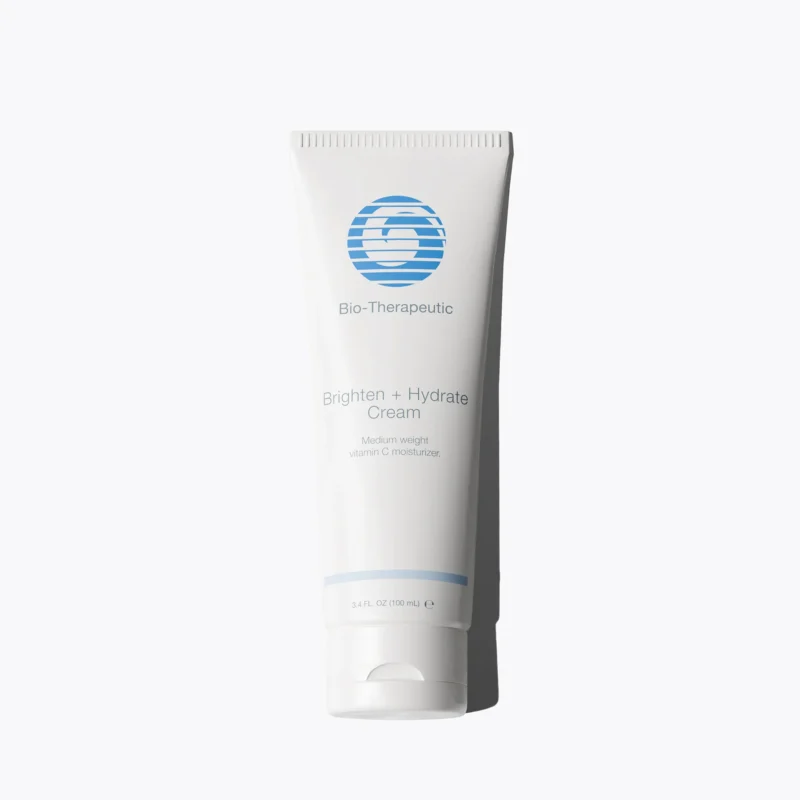
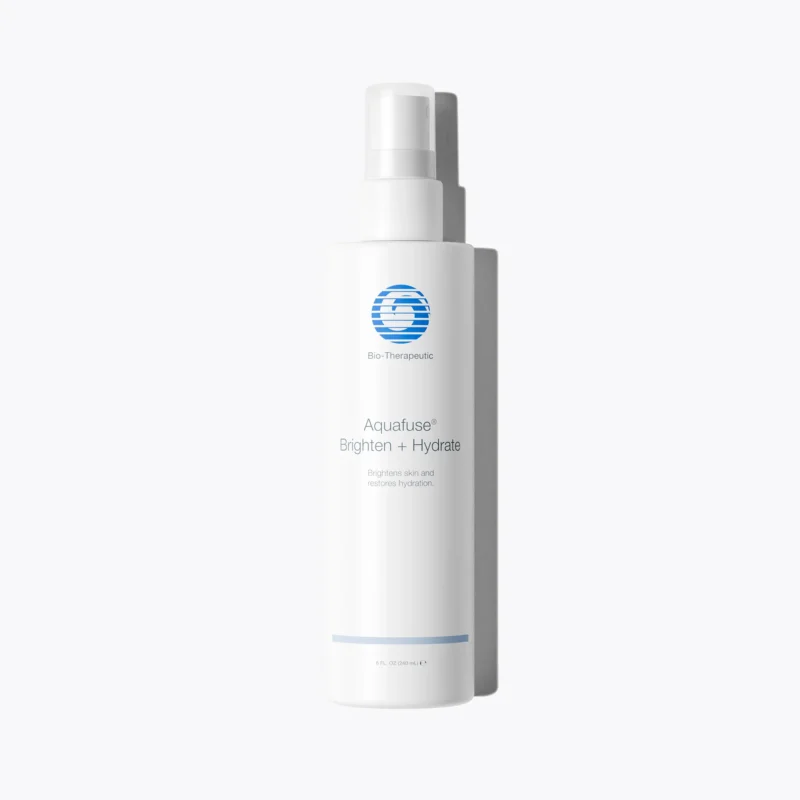
A gentle start such as Gel Cleanse, followed by a spritz of Aquafuse Brighten + Hydrate and a vitamin C moisturiser such as Brighten + Hydrate Cream, makes a light, bright base. Antioxidants such as vitamin C work alongside sunscreen rather than replacing it; our vitamin C skincare guide explains why many people apply it in the morning.
Which SPF is best for everyday wear?
The best everyday sunscreen is one you will reach for every single morning. Look for broad-spectrum protection, a texture that suits your skin type and a finish that sits well under make-up.
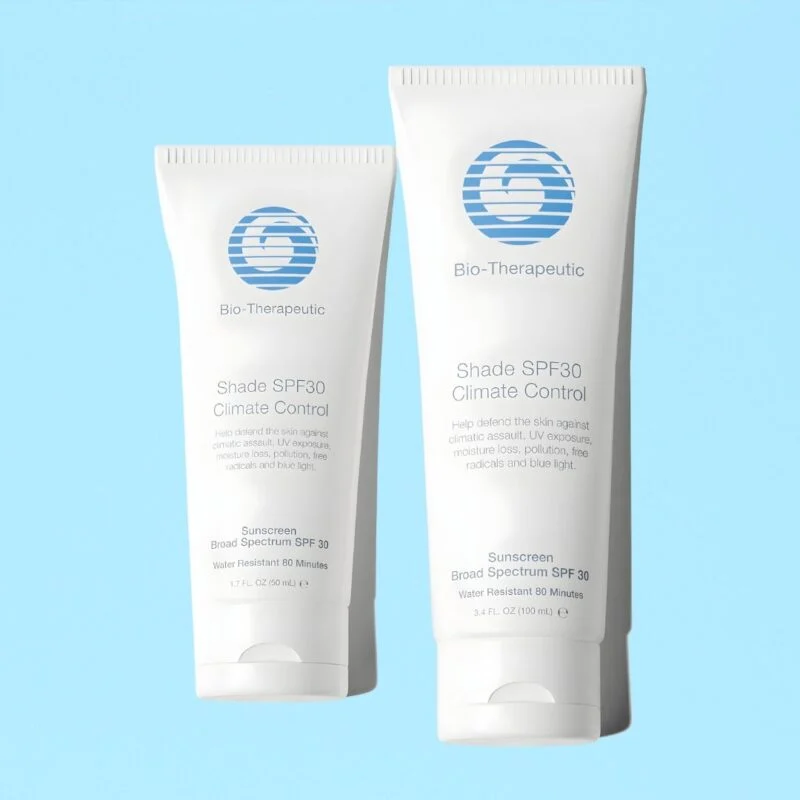
Our choice for daily wear is Shade SPF 30 Climate Control. It offers broad-spectrum UVA/UVB protection from a hybrid of zinc oxide, octisalate and octocrylene, so it combines mineral and chemical filters. It also contains niacinamide, resveratrol, sodium hyaluronate, aloe and squalane, and it is water-resistant, non-greasy and suitable for all skin types, including sensitive skin. It sits comfortably under make-up, which matters when it needs to become a daily habit.
Do you need SPF if you use retinol, retinal or acids?
Yes, and it becomes even more important. Retinoids such as retinal and retinol, and exfoliating acids such as glycolic and lactic acid, can make skin more sensitive to the sun. Using them without daily SPF works against the very results you are after.
If you use an evening retinoid such as Resilience Serum, pair it with sunscreen every morning without exception. Our guide to retinal vs retinol covers how to start a retinoid safely and why SPF is part of the deal.
Do you need SPF indoors or in winter?
If you sit near a window for much of the day, UVA can still reach your skin through the glass, so daily SPF is a sensible habit for home workers and office workers alike. In winter, UVB is much lower in the UK, but UVA is still present and reflective surfaces such as snow increase exposure. Skiers and winter walkers should be particularly careful.
Seasonal routines change, but SPF stays. Our guides to winter skincare in the UK and summer skincare in the UK show how to adjust the rest of your routine around it. You can also browse the wider Bio-Therapeutic skincare range to build a morning routine that ends with protection.
Related reading
- Morning Skincare Routine: The Right Order, Step by Step
- Retinal vs Retinol: The Difference and How to Start
- Vitamin C Skincare: Forms, Benefits and When to Apply It
- Summer Skincare in the UK: Heat, Humidity and Holiday Skin
Frequently asked questions
Is SPF in make-up or moisturiser enough?
Usually not on its own. To reach the protection on the label you would need to apply much more foundation or moisturiser than most people do. SPF in make-up is a useful extra layer, but a dedicated broad-spectrum sunscreen applied generously as the last skincare step is far more reliable. Think of make-up SPF as a bonus, not your main protection.
Do I need to wear sunscreen in winter in the UK?
It’s a good idea. UVB levels are low in a UK winter, so burning is less likely, but UVA is present all year and contributes to visible skin ageing. If you use retinoids or acids, spend time outdoors or near windows, or head to the slopes, daily broad-spectrum SPF in winter is especially worthwhile.
Can I wear SPF 30 under make-up?
Yes. Choose a non-greasy, quick-settling formula and give it a couple of minutes to settle before applying foundation. Press make-up on with a sponge or brush rather than rubbing, so you don’t disturb the sunscreen layer. Shade SPF 30 Climate Control is designed to wear comfortably under make-up, which helps make it a daily habit.
How do I reapply SPF over make-up?
If you are outdoors for long periods, reapply roughly every two hours. Over make-up, gently press a thin layer of sunscreen on with clean fingertips or a damp sponge, or blot away excess oil first and then pat it on. On a regular office day, one generous morning application is a reasonable baseline for most people.
Is mineral or chemical sunscreen better for sensitive skin?
Many people with sensitive skin prefer mineral filters such as zinc oxide, which sit on the skin’s surface. Others find modern chemical or hybrid formulas more comfortable and easier to wear daily. There’s no single right answer: patch test, choose fragrance-light formulas and pick the one you’ll wear every day. Speak to a GP or dermatologist if reactions persist.