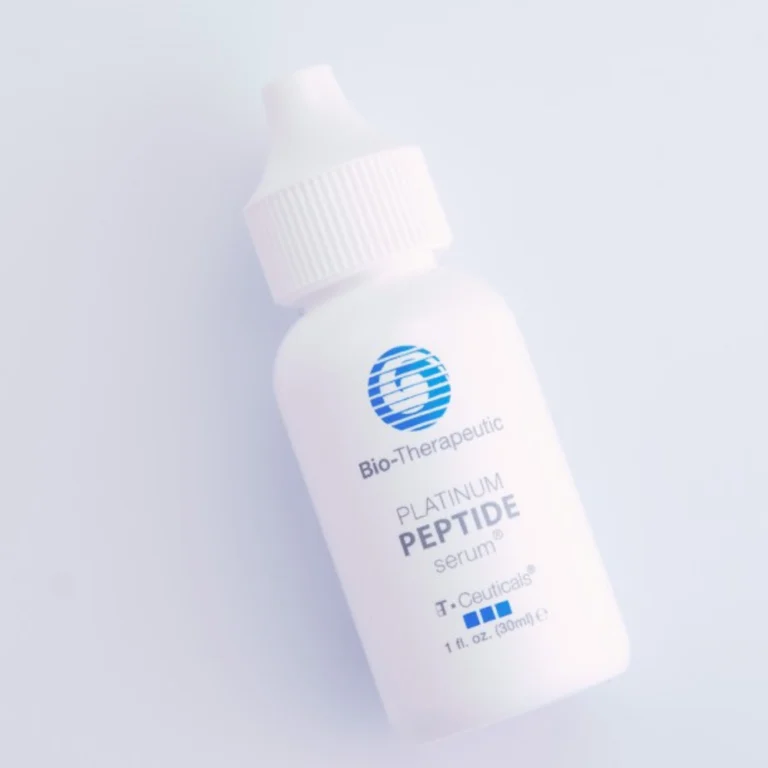
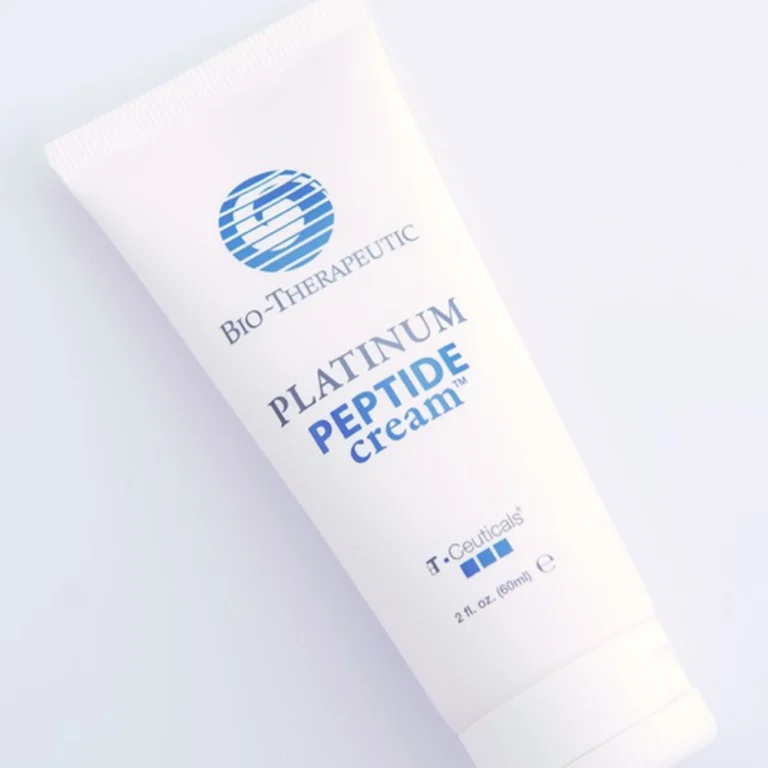
A good eye cream for puffiness and fine lines hydrates the thin skin around the eyes, helps it feel smoother and, with ingredients such as peptides and hyaluronic acid, helps the area look fresher and less tired. Cooling eye masques give a quick, temporary depuffing boost. For the best results, combine both with gentle cleansing, daily SPF and good sleep habits.
Key takeaways
- The skin around the eyes is thinner and has fewer oil glands, so it shows dryness and tiredness first.
- Puffiness, fine lines and dark circles have different causes, so they need slightly different approaches.
- Look for peptides, hyaluronic acid and antioxidants in an eye cream; apply with a light tapping motion.
- Chilled gel eye masques help the look of morning puffiness quickly but temporarily.
- See a GP for sudden, one-sided or persistent swelling, or if your eyes are itchy and sore.
Why does the eye area need different care?
The skin around your eyes is some of the thinnest on the body, with fewer oil glands than your cheeks or forehead. It also moves constantly: you blink thousands of times a day, squint at screens and smile. That combination means it loses moisture quickly and is often the first place fine lines and a tired look appear.
Because it is delicate, the eye area can react to products that your face tolerates happily, especially strong acids, retinoids and fragranced formulas. That’s why dedicated eye products tend to be gentler, richer and tested for use close to the eyes.
What causes puffy eyes, fine lines and dark circles?
These three concerns often appear together but have different roots, so it helps to know which one you are dealing with.
| Concern | Common causes | What can help the look of it |
|---|---|---|
| Morning puffiness | Fluid collecting overnight, salty food, alcohol, short sleep, allergies | Cooling eye masques, a gently massaged eye cream, sleeping with your head slightly raised |
| Fine lines | Dryness, natural changes with age, repeated expressions, sun exposure | Hydrating, peptide-rich eye cream; daily SPF and sunglasses |
| Dark circles | Genetics, thin skin showing blood vessels beneath, pigmentation, tiredness | Hydration and brightening ingredients for a fresher look; concealer for instant cover |
Be realistic about dark circles in particular. When they are inherited or caused by the natural structure of your face, skincare can help the area look brighter and better hydrated, but it won’t make them disappear.
What should you look for in an eye cream?
An eye cream doesn’t need to be complicated. These ingredients are worth seeking out:
- Peptides: short chains of amino acids used in cosmetics to help skin look smoother and firmer. Our guide to peptides explained without the jargon covers them in plain English.
- Hyaluronic acid: a humectant that draws water into the skin’s surface so fine, dry lines look softer.
- Antioxidant vitamins and green tea: help protect against everyday environmental stress and help the area look fresher.
- A texture you enjoy: rich enough to cushion, light enough not to migrate into the eyes.
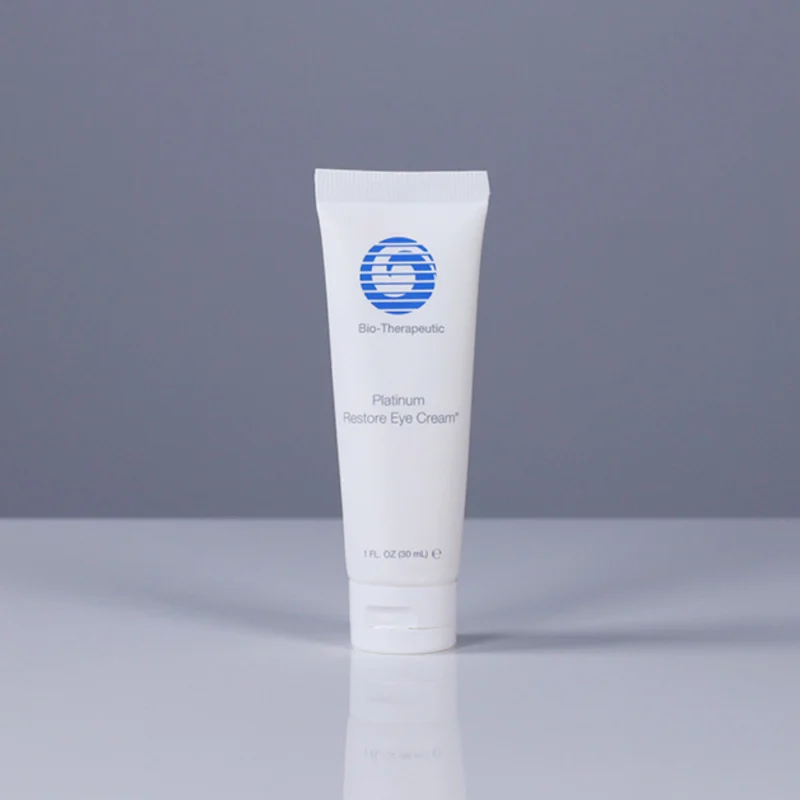
The Platinum Restore Eye Cream brings these together: peptides, hyaluronic acid, antioxidant vitamins and green tea, formulated to help the look of puffiness and fine lines. It is light enough for the morning under concealer and comforting at night.
How do you apply eye cream properly?
- Cleanse gently. Use a soft, non-stripping cleanser. The creamy Cleanse Hydrating is gentle enough to use around the eyes.
- Use a tiny amount. A rice-grain-sized amount per eye is plenty.
- Use your ring finger. It naturally applies the least pressure.
- Tap, don’t rub. Dot the cream along the orbital bone, the bony ridge around the eye, then tap lightly from the inner corner outwards.
- Keep a little distance from the lash line. Products travel as skin warms, so you don’t need to go right up to the lashes.
- Apply before your moisturiser and SPF in the morning, so heavier creams don’t block it.
If you use a retinoid on the face, keep it away from the immediate eye area unless the product is designed for it, and introduce any new eye product slowly.
Do eye masques help with puffiness?
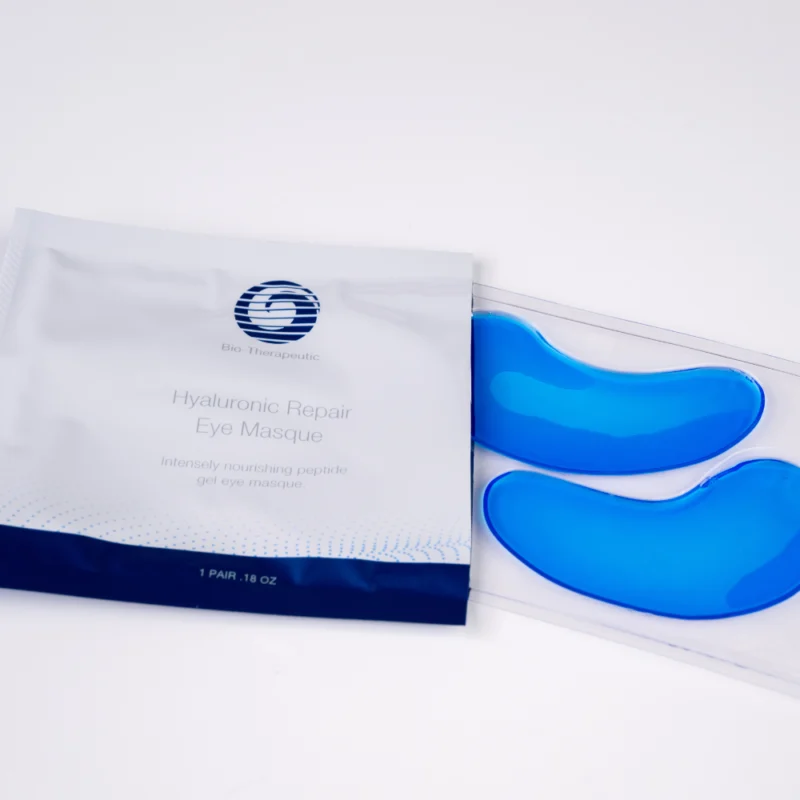
Yes, for a quick, temporary improvement. Gel eye masques sit under the eyes for a short time, delivering hydration while their cool, cushioning texture helps the area look less puffy and more refreshed. Many people keep a box in the fridge for mornings after a late night or a long flight.
The Hyaluronic Repair Eye Masque is a copper-infused gel with peptides and hyaluronic acid, while the Hyaluronic Delivery Eye Masque is a marine algae gel sheet designed to hydrate, brighten and refresh the look of the eye area. Both are single-use and easy to wear while you make coffee or do your hair.
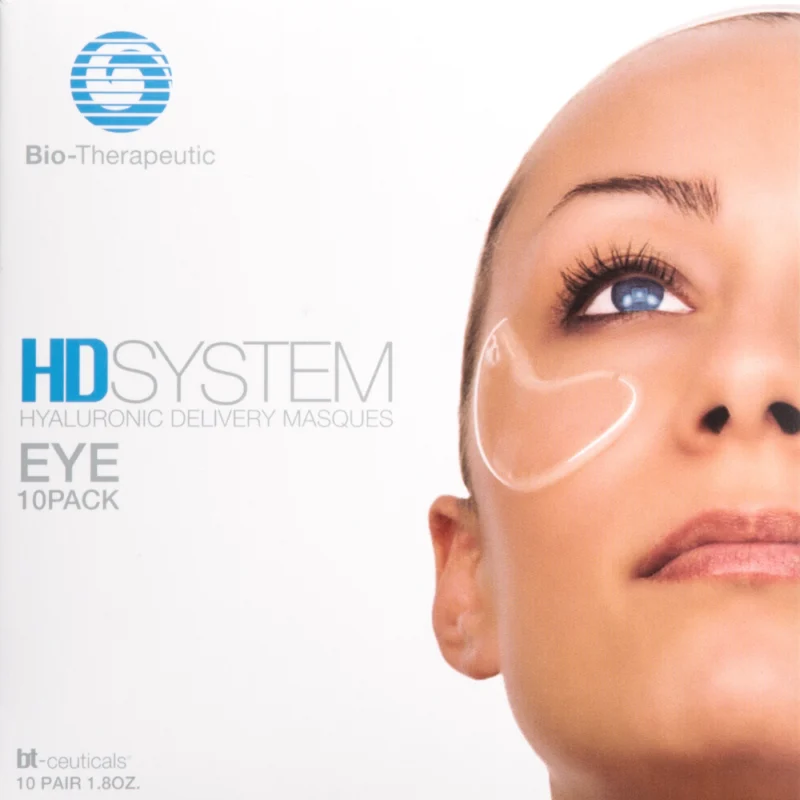
If you’re preparing for a wedding, party or photographs, our pre-event routine shows where eye masques fit in the 48 hours beforehand. For the rest of the face, our guide to sheet, biocellulose and gel masques compares the options.
Which everyday habits help your eyes look fresher?
- Wear SPF and sunglasses. Squinting and UV exposure both play a part in lines around the eyes. Apply a broad-spectrum sunscreen such as Shade SPF 30 Climate Control carefully up to, but not into, the eye area.
- Remove make-up gently. Hold a soaked pad on the lashes for a few seconds instead of scrubbing.
- Mind salt and alcohol in the evening, which many people notice show up as morning puffiness.
- Raise your pillow slightly if you tend to wake up puffy.
- Protect your sleep. A calm evening routine makes a visible difference by morning. Our 30-minute evening wind-down combines skincare with acupressure for exactly that.
When should you start using eye cream?
There’s no fixed age. If the skin around your eyes feels dry, make-up settles into fine lines, or you simply want a dedicated step, it’s a good time to start. In your 40s and 50s, a richer, peptide-focused approach often feels more comfortable; our guide to skincare in your 40s and 50s builds a full routine around it. Browse the full Bio-Therapeutic range for complementary serums and creams.
Check with a GP or optician if you notice sudden swelling, swelling on one side only, puffiness that doesn’t go down during the day, or itchy, sore or watery eyes, as these can have causes that skincare won’t address.
Related reading
- Peptides in Skincare, Explained Without the Jargon
- Skincare in Your 40s and 50s: A Routine That Works Harder
- The Pre-Event Microcurrent Routine: Lifted, Fresh Skin in 48 Hours
Frequently asked questions
Can I use my face moisturiser around my eyes?
Sometimes, if it’s gentle and fragrance-light, but many face creams are too rich, too active or not tested near the eyes, which can lead to stinging or milia (tiny white bumps). A dedicated eye cream is formulated for thinner skin and usually comes with a more precise texture. If you do use your moisturiser, keep it well away from the lash line.
Should I use eye cream morning and night?
Twice a day suits most people. In the morning, a light layer hydrates and helps the area look fresher under concealer, especially if you wake up puffy. At night, the same cream or a slightly richer amount helps the skin feel comfortable while you sleep. Consistency matters more than quantity, so use a small amount every time.
How long do eye masques take to work?
Most people notice that the eye area looks more refreshed and less puffy straight after removing a gel eye masque, which is why they are popular before events. The effect is temporary, so think of masques as a quick boost rather than a long-term fix, and pair them with a daily eye cream and SPF for ongoing care.
Why do I wake up with puffy eyes?
Fluid naturally collects around the eyes while you lie flat, and salty food, alcohol, short sleep, crying and allergies can all make it more noticeable. It usually eases within a few hours of being upright. Cool eye masques and gentle tapping help. If puffiness is sudden, one-sided, painful or doesn’t go down, check with a GP.
Can I wear eye masques under make-up?
Wear them before make-up, not under it. Apply a chilled gel eye masque after cleansing and toning, leave it for the time on the pack, then remove it and tap any remaining essence into the skin. Follow with eye cream and let it settle for a minute before concealer, so your make-up sits smoothly.