Hyaluronic acid is a humectant: in skincare it draws water into the surface of your skin, so skin looks plumper and feels softer and more comfortable. To get the most from it, apply it to damp skin and seal it in with a moisturiser, especially in dry air, and use it morning and night alongside almost any other ingredient.
Key takeaways
- Hyaluronic acid hydrates by attracting water; it does not add oil, so it suits every skin type.
- Apply it to damp skin and follow with a moisturiser to keep that water where you want it.
- Different molecular weights behave differently: larger molecules sit on the surface, smaller ones work a little deeper into the upper layers.
- It layers well with retinoids, vitamin C, niacinamide and peptides.
- You will find it in mists, ampoules, gel masques and even conductive gels for microcurrent devices.
What does hyaluronic acid do for your skin?
Hyaluronic acid occurs naturally in the body, including in skin, where it helps hold water. In skincare it is used as a humectant, which means an ingredient that attracts and binds moisture. Applied to the surface, it pulls water into the outer layers so skin looks plumper, fine dehydration lines look softer and makeup sits more smoothly.
It does not add oil and is very rarely irritating, so it suits oily, dry, combination and sensitive skin alike. Think of it as a hydration ingredient rather than a “treatment”: the effect is immediate and visible, and it fades if you stop using it.
You will see it on labels as hyaluronic acid, sodium hyaluronate (its salt form, which is common in formulas) or hydrolysed hyaluronic acid.
What is the difference between low and high molecular weight hyaluronic acid?
Molecular weight describes the size of the hyaluronic acid molecule, and it changes how it behaves on skin.
| Type | How it behaves | What you notice |
|---|---|---|
| High molecular weight | Stays on the surface and forms a light, moisture-holding film | Immediate softness and a smooth, dewy finish |
| Low molecular weight | Smaller molecules that can work into the upper layers of the skin’s surface | Hydration that feels longer-lasting rather than sitting on top |
| Multi-weight blends | Combine both | Surface comfort plus deeper-feeling hydration |
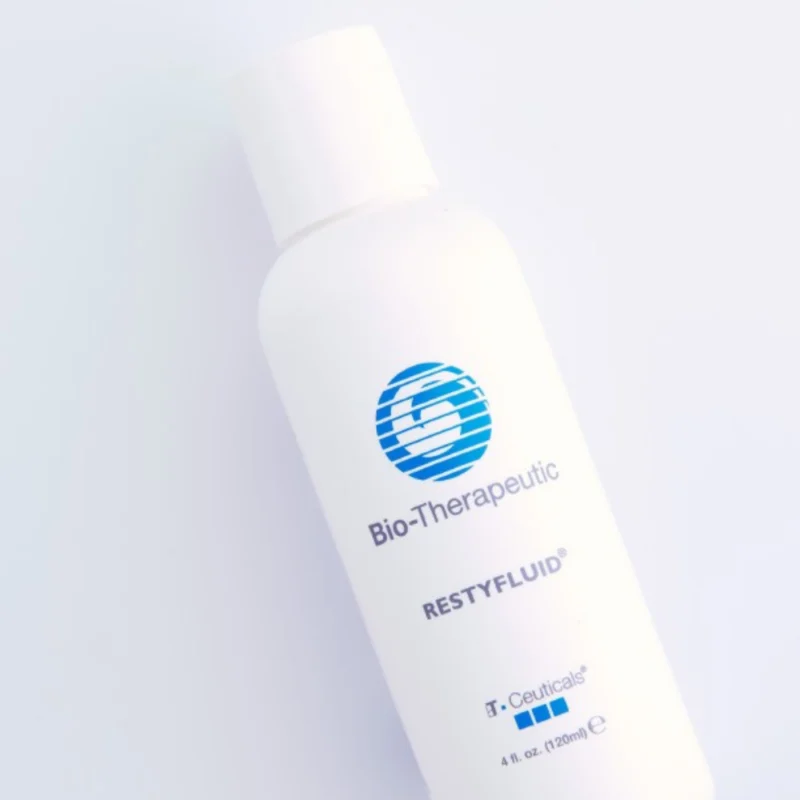
Restyfluid uses low molecular weight sodium hyaluronate with peptides. It works as a toner, a pre-serum booster or a conductive medium for microcurrent and ultrasonic devices, which makes it one of the most versatile products we stock.
How do you use hyaluronic acid properly?
Because hyaluronic acid works by attracting water, how and when you apply it matters.
- Cleanse and leave your skin slightly damp, or mist it with water.
- Apply your hyaluronic product straight away: a mist, a few drops of serum or half an ampoule.
- Press it in with your palms rather than rubbing.
- Follow with a moisturiser within a minute or two to seal in the water.
- Finish with SPF in the morning.
The sealing step is the one people skip. In very dry air, such as a centrally heated flat in January or an aeroplane cabin, a humectant left on its own can leave skin feeling tight once the water evaporates. A moisturiser over the top stops that happening.
Which hyaluronic acid products should you choose?
Hyaluronic acid appears in many formats, so pick the one that fits how you like to use skincare.
Mists and toners
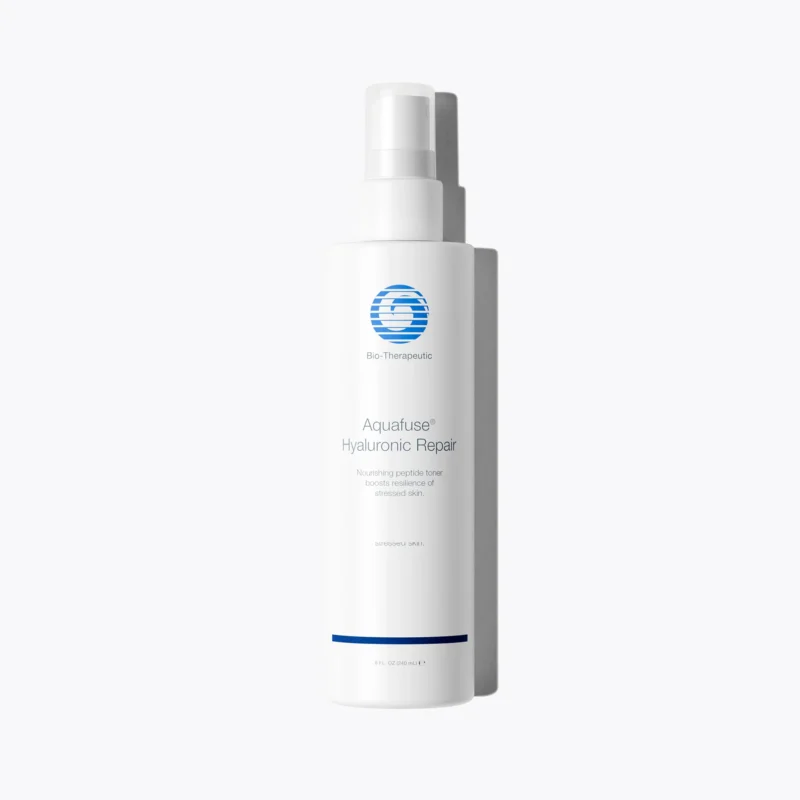
Aquafuse Hyaluronic Repair pairs hyaluronic acid with three ceramides, niacinamide, a peptide complex and soothing botanicals. A mist is easy to reapply over the day, at your desk or on a flight.
Ampoules
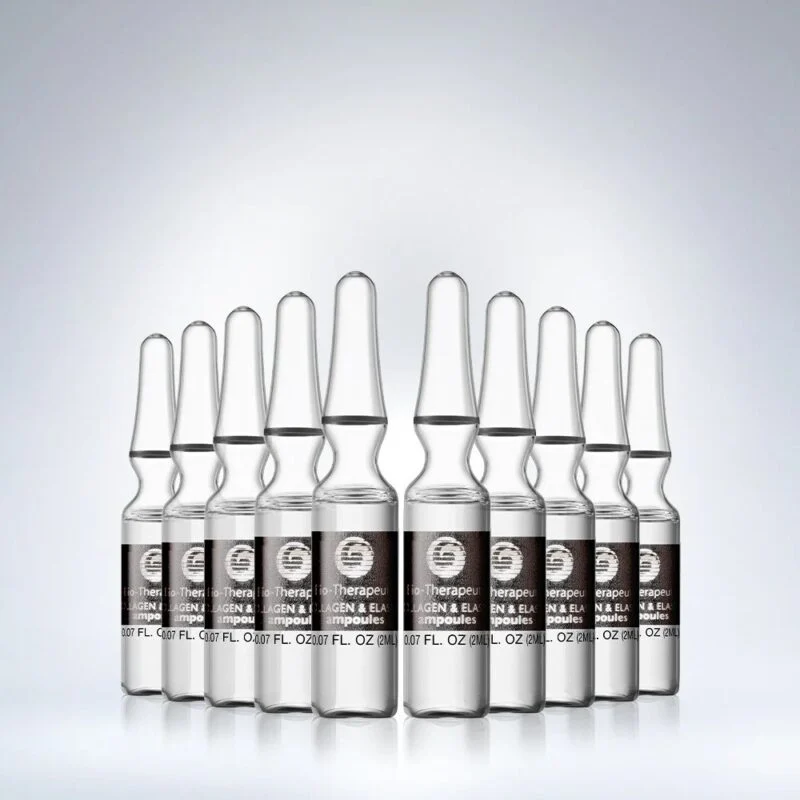
Collagen & Elastin Ampoules come in individually sealed 2ml vials of water-soluble collagen and elastin for intensive hydration and a supple feel. They are not a hyaluronic acid product as such, but they pair well with one and suit a short, concentrated course before an event or after a run of dry, cold days.
Gel masques
The Hyaluronic Delivery Face Masque is a two-part marine algae gel sheet with hyaluronic acid and glycosaminoglycans. It cools as it hydrates and is lovely the night before a big day. Our comparison of sheet masks, biocellulose and gel masques explains how they differ.

Can you use hyaluronic acid with retinol, vitamin C and niacinamide?
Yes. Hyaluronic acid is one of the easiest ingredients to combine, because it is gentle and works by hydration rather than by changing the skin’s pH or surface.
- With retinoids: a hydrating layer before or after your retinal can help skin feel more comfortable while it adjusts. See retinal vs retinol for how to start.
- With vitamin C: apply your vitamin C product first, then hyaluronic acid, then moisturiser and SPF.
- With niacinamide and peptides: no conflict at all; many formulas already combine them.
- With exfoliating acids: hyaluronic acid afterwards helps skin feel soothed.
If you are unsure about order, our guide on how to layer serums, toners and creams walks through it.
Why is hyaluronic acid used with microcurrent devices?
Microcurrent devices need a conductive medium between the probes and your skin so the current can glide evenly. Water-based gels rich in hyaluronic acid do that job and hydrate at the same time, which is why Restyfluid and hyaluronic gel masques are often used with devices such as the bt-sculpt. Read why microcurrent needs a conductive gel for the full explanation, and browse every hydrating option on our Bio-Therapeutic page.
Is hyaluronic acid good for dry or dehydrated skin?
It helps both, but in different ways. Dehydrated skin lacks water and responds quickly to humectants like hyaluronic acid. Dry skin lacks oil, so it needs hyaluronic acid plus a richer moisturiser with lipids to feel comfortable. If you are not sure which you have, read dry or dehydrated skin? How to tell.
Related reading
- Dry or Dehydrated Skin? How to Tell and the Routine That Helps
- Why Microcurrent Needs a Conductive Gel (and What to Use)
- Sheet Masks, Biocellulose or Gel Masques: Which Should You Choose?
- How to Layer Serums, Toners and Creams Without Wasting Them
Frequently asked questions
Can hyaluronic acid make your skin drier?
It can feel that way if you apply it to dry skin in very low humidity and do not follow with a moisturiser. As the water evaporates, skin may feel tight. The fix is simple: apply hyaluronic acid to damp skin and seal it with a moisturiser straight away. Used like that, it helps skin feel more hydrated, not less.
Should I use hyaluronic acid in the morning or at night?
Both work. In the morning it helps skin look plump and smooth under SPF and makeup; at night it adds comfort, particularly alongside retinoids or exfoliating acids. Many people use a hyaluronic mist or serum twice a day. Just remember to follow it with a moisturiser, and with sunscreen in the morning.
Is hyaluronic acid suitable for oily or acne-prone skin?
Yes. Hyaluronic acid is water-based and oil-free, so it hydrates without feeling heavy and is unlikely to clog pores. Oily skin can still be dehydrated, especially if you use drying products, and a light hydrating layer often helps it feel more balanced. Choose a lightweight mist or serum and a gel-cream moisturiser.
Can I use hyaluronic acid around my eyes?
Yes, hyaluronic acid is gentle enough for the eye area, and many eye creams and eye masques include it to help the look of fine dehydration lines. Pat a small amount around the orbital bone rather than close to the lash line, and use a dedicated eye product if you want a richer texture there.