The right morning skincare routine order is: cleanse, tone or mist, serum, eye cream, moisturiser, then SPF as the final skincare step before makeup. The simple rule is to apply products from the thinnest, most watery texture to the thickest, and always finish with sunscreen, which needs to sit on top to protect your skin.
Key takeaways
- Layer from thinnest to thickest: watery toners first, creams later, SPF last.
- Your morning routine is about protection: hydration, antioxidants and broad-spectrum SPF.
- A gentle cleanse is enough in the morning; save deeper cleansing for the evening.
- Give each layer a moment to settle so your SPF and makeup sit evenly.
- Three steps (cleanse, moisturise, SPF) is a perfectly good routine; the extra steps are optional upgrades.
What order should you apply skincare in the morning?
Here is the full order, from first to last. You do not need every step every day, but if you use them, this sequence helps each product do its job.
| Step | Product | Why it goes here |
|---|---|---|
| 1 | Cleanser | Removes overnight oil and leftover night products |
| 2 | Toner or mist | Adds a first layer of hydration to damp skin |
| 3 | Serum | Thin, concentrated formulas go on clean skin |
| 4 | Eye cream | Applied before heavier creams so it stays in its area |
| 5 | Moisturiser | Softens and helps hold hydration in |
| 6 | SPF | Must be the top skincare layer to protect evenly |
Step 1: Do you need to cleanse your face in the morning?
Most people benefit from a quick, gentle cleanse in the morning. Overnight, skin produces oil and you may still have traces of night cream or serum, which can make SPF and makeup slide.
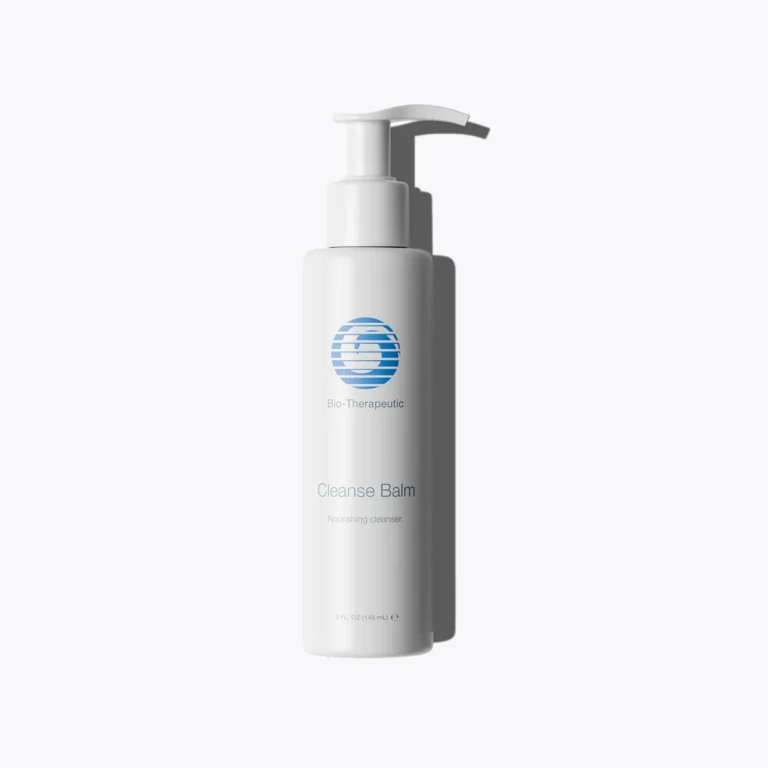
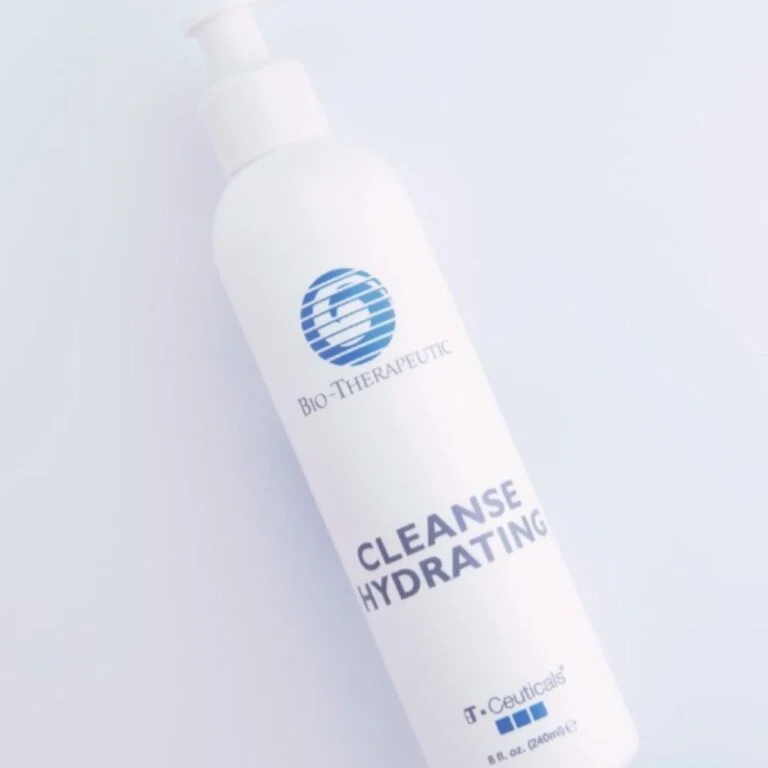
If your skin is normal, oily or prone to congestion, a light water-based gel such as Gel Cleanse lifts away overnight oil without leaving skin tight. It contains small amounts of glycolic and salicylic acid, alongside aloe and panthenol. If your skin is very dry or sensitive, a splash of lukewarm water or a creamy cleanser may be all you need.
If you like a sonic brush, the morning is a good time for a short, light pass on the lowest setting. The bt-sonic facial cleansing brush takes about two minutes.
Step 2: Should you use a toner or mist?
Modern toners are less about “closing pores” and more about adding a quick, weightless layer of hydration and helpful ingredients. Applied to slightly damp skin, they help serums spread more easily.
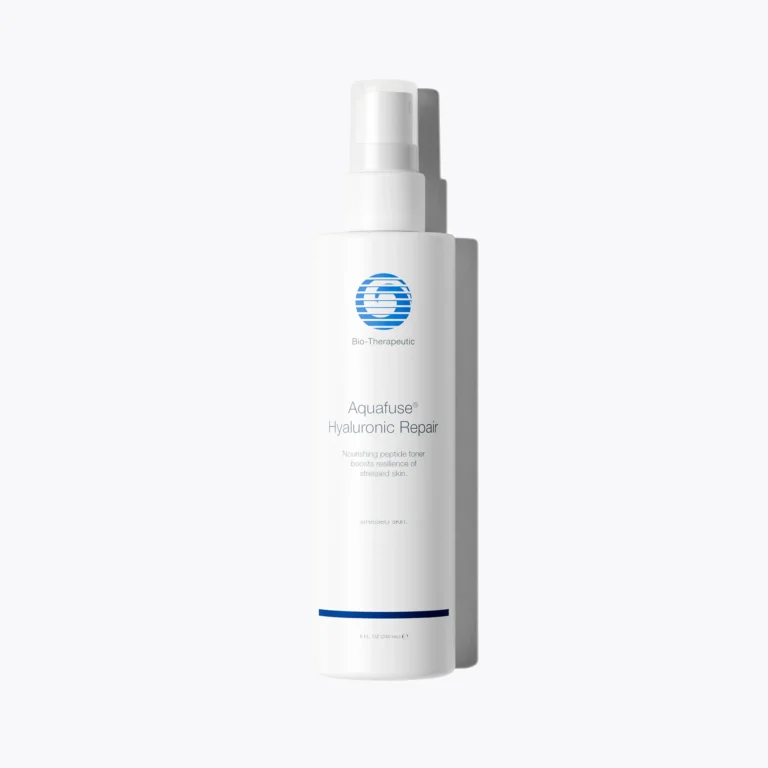
Aquafuse Brighten + Hydrate is a spray toner with niacinamide, stabilised vitamin C, licorice root, peptides, aloe and sodium hyaluronate. A couple of mists, a few seconds to settle, and you are ready for the next step.
Step 3: Which serum should you use in the morning?
A serum is a lightweight, concentrated formula designed to deliver specific ingredients. In the morning, antioxidant and hydrating serums make the most sense, because they complement your SPF through the day.
- Vitamin C is a popular morning antioxidant that helps skin look brighter and more even. Our vitamin C skincare guide explains the different forms and when to use them.
- Hyaluronic acid is a humectant, meaning it draws water into the upper layers of skin so it feels plumper and more comfortable.
- Peptides help skin feel smoother and more supple. Platinum Peptide Serum combines peptides with sodium hyaluronate and antioxidants.
Retinoids, such as retinol and retinal, are usually best kept for the evening because they increase sun sensitivity.
Step 4: When should you apply eye cream?
Apply eye cream after serum and before moisturiser. The skin around the eyes is thinner, and a dedicated formula is designed to be comfortable there. Use your ring finger to tap a small amount along the orbital bone rather than right up to the lash line.
Platinum Restore Eye Cream combines peptides, hyaluronic acid, antioxidant vitamins and green tea to help the look of morning puffiness and fine lines. Keeping it in the fridge adds a pleasant cooling feel. For more ideas, see our eye-area care guide.
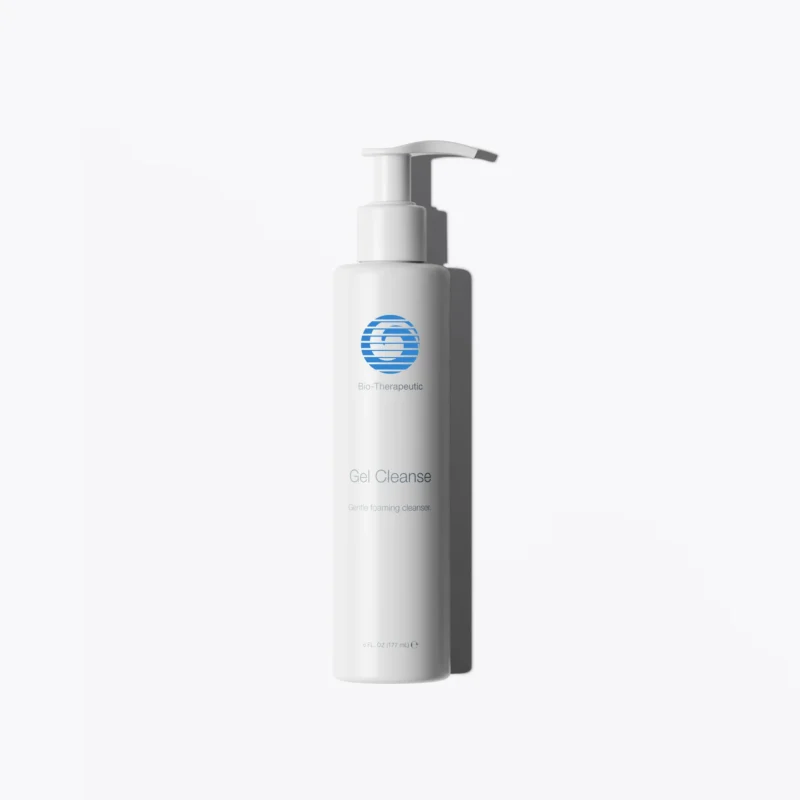 Bio-Therapeutic Gel Cleanse – Gentle Foaming Cleanser Price range: £28.40 through £42.20 VAT inc.
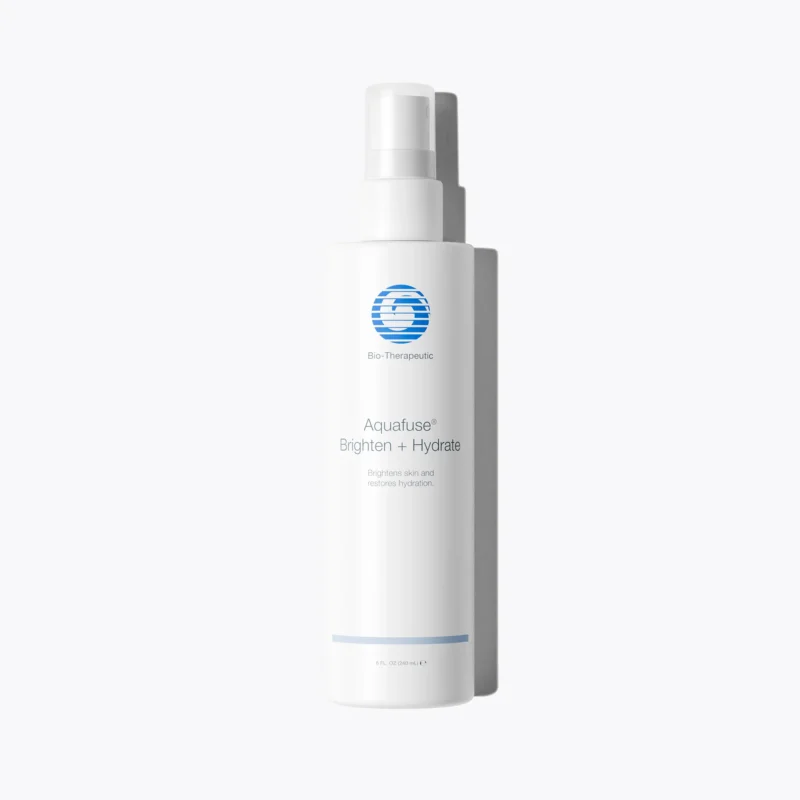 Bio-Therapeutic Aquafuse Brighten + Hydrate Price range: £22.80 through £46.20 VAT inc.
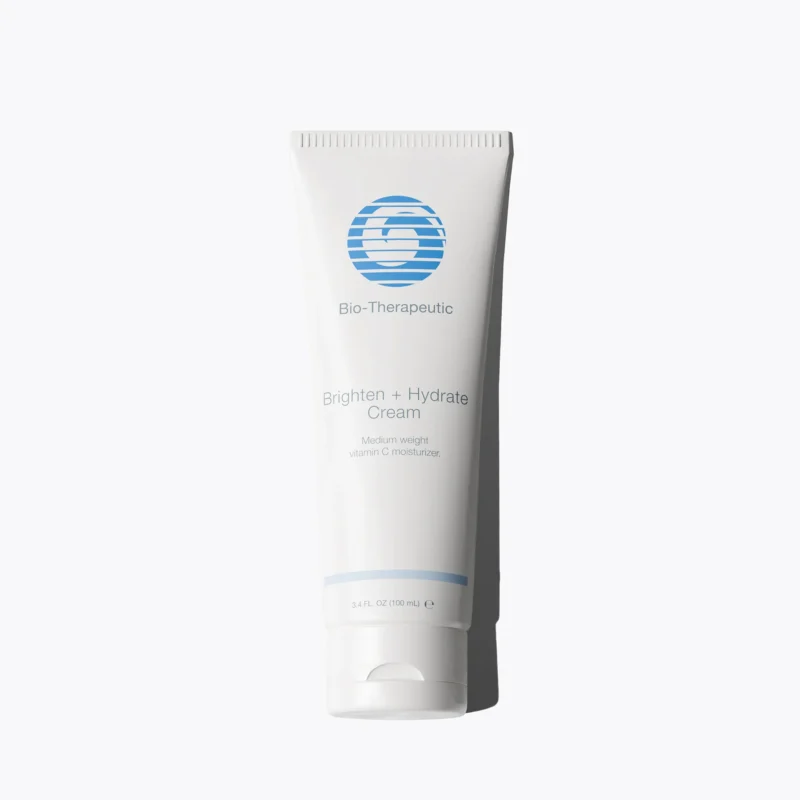 Bio-Therapeutic Brighten + Hydrate Cream Price range: £38.00 through £60.00 VAT inc.
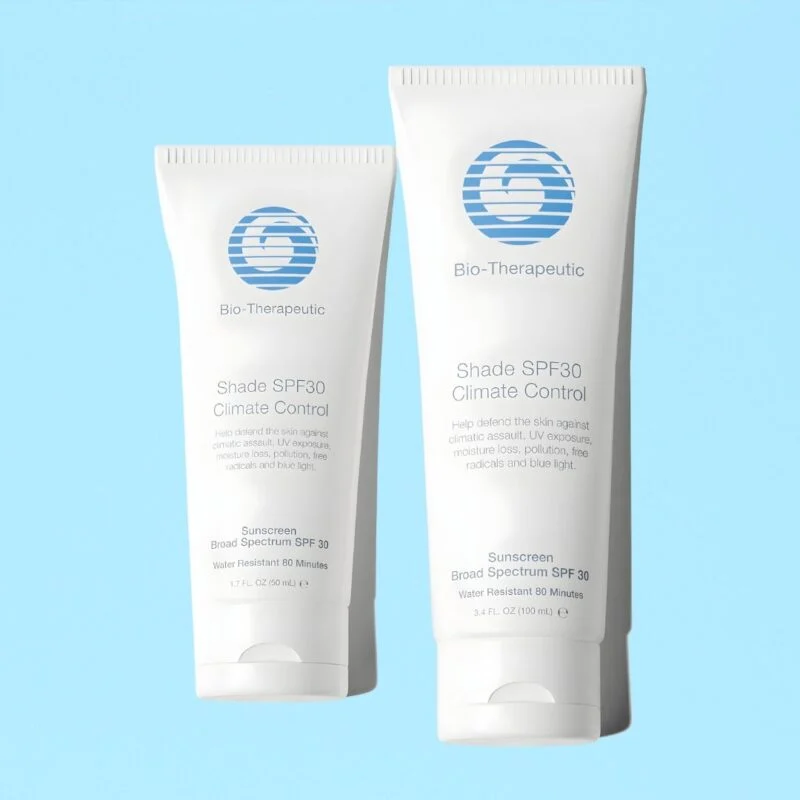 Bio-Therapeutic Shade SPF 30 Climate Control – Daily Face Sunscreen Price range: £28.80 through £43.40 VAT inc.
Step 5: Do you need moisturiser if your SPF is moisturising?
If your skin is oily and your sunscreen feels hydrating enough, you may be able to skip moisturiser. Most people, though, find a dedicated moisturiser helps skin feel comfortable through a long day, particularly in heated offices and in winter.
Brighten + Hydrate Cream is a medium-weight moisturiser with encapsulated vitamin C, glutathione and red marine algae, designed for a fresh, radiant look. Give it a minute or two to settle before your SPF.
Step 6: Why does SPF go last?
Sunscreen forms a protective layer on the surface of your skin, so it needs to go on top of your other skincare. Anything applied over it, other than makeup, can thin or disturb that layer.
In the UK, UVA rays reach us all year round, including on cloudy days and through windows, so daily SPF is worthwhile even in winter. Shade SPF 30 Climate Control is a broad-spectrum UVA/UVB sunscreen with zinc oxide, niacinamide and sodium hyaluronate. It is non-greasy, suits all skin types including sensitive, and sits well under makeup. Our article on whether you really need SPF every day in the UK goes into more detail.
- Use a generous amount: about two finger-lengths for the face and neck.
- Apply it as the last step of skincare, then wait a few minutes before makeup.
- Reapply if you are outdoors for long periods, sweating or swimming.
How long should you wait between skincare steps?
You do not need to wait long. A few seconds after a mist, and a minute or so after serum and moisturiser, is usually enough for each layer to settle. The step worth pausing for is SPF: give it a few minutes before makeup so it can form an even film.
If you are short on time, cut down rather than rushing. Our 3-product routine shows how a cleanser, moisturiser and SPF can cover the essentials. In the evening, the focus shifts from protection to repair and renewal; our evening skincare routine order shows how. You can browse every product mentioned here in our Bio-Therapeutic collection.
Related reading
- Evening Skincare Routine: What to Use and in Which Order
- Vitamin C Skincare: Forms, Benefits and When to Apply It
- Do You Really Need SPF Every Day in the UK?
- The 3-Product Routine: Simple Skincare That Still Works
Frequently asked questions
Does moisturiser go before or after sunscreen?
Moisturiser goes before sunscreen. SPF should always be the final step of your skincare routine so it can form an even protective layer on top of your skin. Apply your moisturiser, let it settle for a minute or two, then apply a generous amount of sunscreen. Makeup, if you wear it, goes on after the SPF.
Can I use vitamin C and niacinamide together in the morning?
Yes. The old idea that vitamin C and niacinamide cancel each other out comes from older, less stable formulations, and many modern products combine them. If you use them as separate products and notice any tingling or redness, apply them at different times of day or alternate days, and keep the rest of your routine gentle.
Should I wash my face with water only in the morning?
Water alone can be enough if your skin is dry or sensitive and you cleansed thoroughly the night before. If your skin feels oily on waking, or you used a rich night cream, a gentle cleanser will help SPF and makeup sit better. Use lukewarm water rather than hot, which can leave skin feeling tight.
How long does a morning skincare routine take?
A full morning routine of cleanser, toner, serum, eye cream, moisturiser and SPF usually takes around five to ten minutes, including short pauses between layers. A simple three-step version can take less than five. The order matters more than the number of products, so choose a routine you can keep up every day.