A simple skincare routine needs just three products: a gentle cleanser, a moisturiser that suits your skin type, and a broad-spectrum SPF for the morning. Used consistently, those three steps cover what skin needs most, which is to be clean, comfortable and protected from daylight, and they leave room to add one treatment later if you want to.
Key takeaways
- Cleanse, moisturise and protect: those three steps do most of the work for most people.
- Consistency matters more than the number of products on your shelf.
- Morning and evening routines differ by just one step, because SPF is a daytime job.
- Swap the cleanser and moisturiser to match oily, dry or sensitive skin, but keep the structure.
- When you are ready, add one targeted product at a time, not five at once.
Does a simple skincare routine actually work?
Yes. Long routines with many layers can be enjoyable, but they are not necessary for healthy-looking skin, and they can backfire. Every extra product is another chance of irritation, and it becomes hard to tell what is helping.
The three steps of a minimal routine map directly onto what skin needs. Cleansing removes oil, sweat, pollution, makeup and SPF. Moisturising keeps the skin barrier, the outermost layer that holds water in and keeps irritants out, feeling comfortable. Sunscreen protects from UV, the biggest outside influence on uneven tone and visible ageing. Get those right every day and you have the foundations.
What are the three products you need?
1. A gentle cleanser
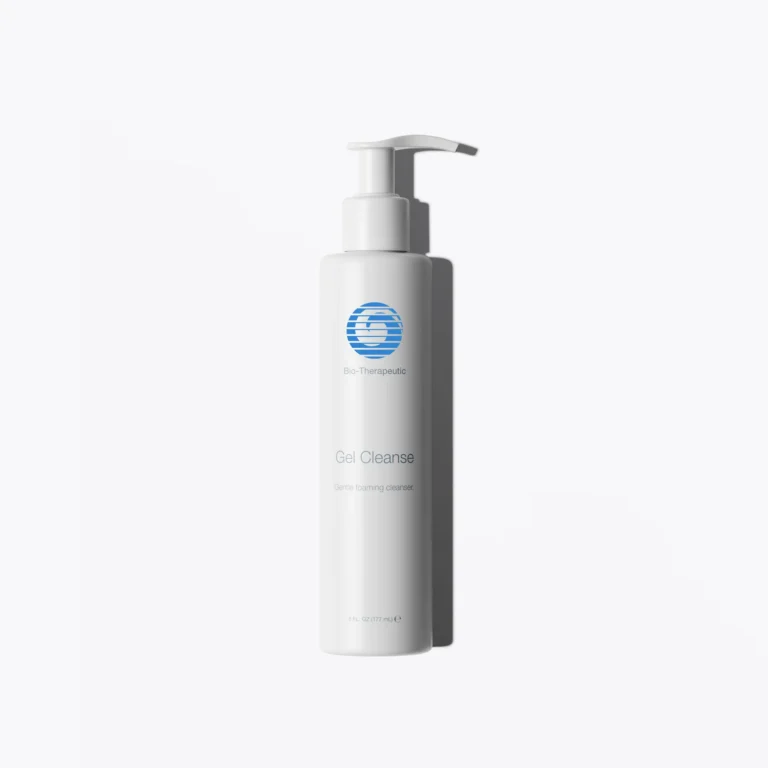
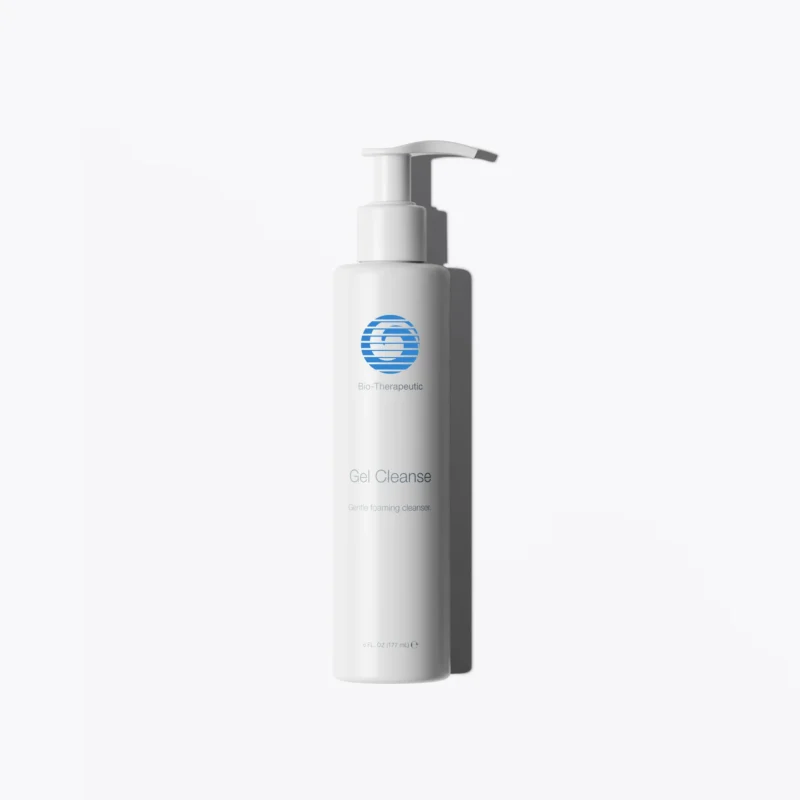
Choose one that leaves skin feeling clean but not tight. Gel Cleanse is a gentle foaming, water-based gel with mild glycolic and salicylic acids plus aloe, panthenol and sodium hyaluronate. It suits normal, combination and oily skin, and the light acids give a gentle smoothing effect without a separate exfoliating step.
2. A moisturiser with benefits
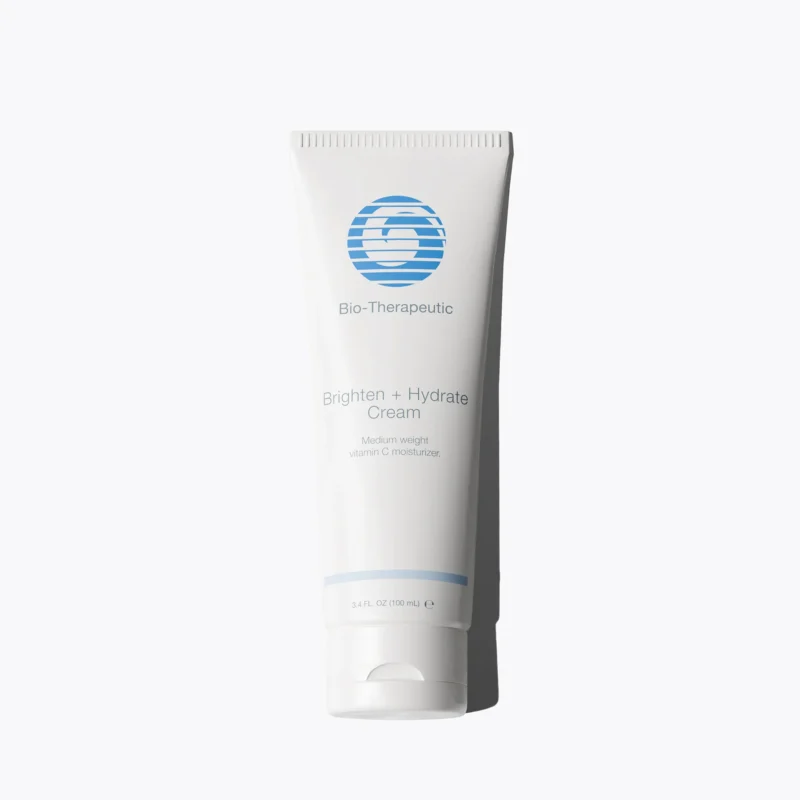
A moisturiser can do more than hydrate. Brighten + Hydrate Cream is a medium-weight moisturiser with encapsulated vitamin C, glutathione and red marine algae, so it helps skin look brighter and more even while keeping it soft. That means one product doing the job of a serum and a cream.
3. A broad-spectrum SPF
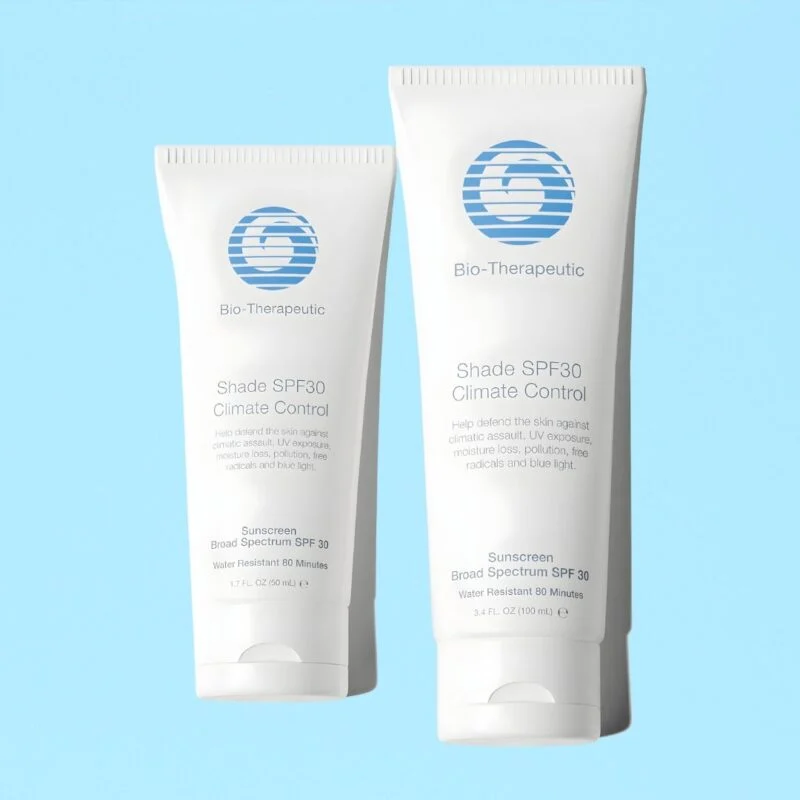
Shade SPF 30 Climate Control offers UVA and UVB protection with a zinc oxide hybrid filter system, plus niacinamide, sodium hyaluronate and squalane. It is non-greasy and sits well under makeup, so it does not feel like an extra layer. If you wonder whether you need it in Britain, read do you really need SPF every day in the UK?
How do you use a 3-step routine morning and night?
The order is always the same: thinnest and most cleansing first, protection last.
Morning
- Cleanse with lukewarm water and a small amount of cleanser.
- Apply moisturiser to slightly damp skin and let it settle for a minute.
- Apply SPF generously as the last step, including ears and neck.
Evening
- Cleanse. If you wore SPF or makeup, cleanse twice: the first wash lifts the day off, the second actually cleans your skin.
- Apply moisturiser.
That is it. For more detail on order once you add more steps, see our guides to the morning skincare routine order and the evening skincare routine order. If you are not sure whether you need to cleanse twice, our double cleansing guide explains who benefits.
How do you adapt the routine to your skin type?
The structure stays the same; only the textures change.
| Skin type | Cleanser | Moisturiser | SPF |
|---|---|---|---|
| Normal or combination | Gel Cleanse | Brighten + Hydrate Cream | Shade SPF 30 |
| Oily or congested | Gel Cleanse | Brighten + Hydrate Cream, used sparingly | Shade SPF 30 |
| Dry | A creamy cleanser | A richer, lipid-based cream | Shade SPF 30 |
| Sensitive | A creamy, soothing cleanser | A simple, comforting cream | Shade SPF 30 |
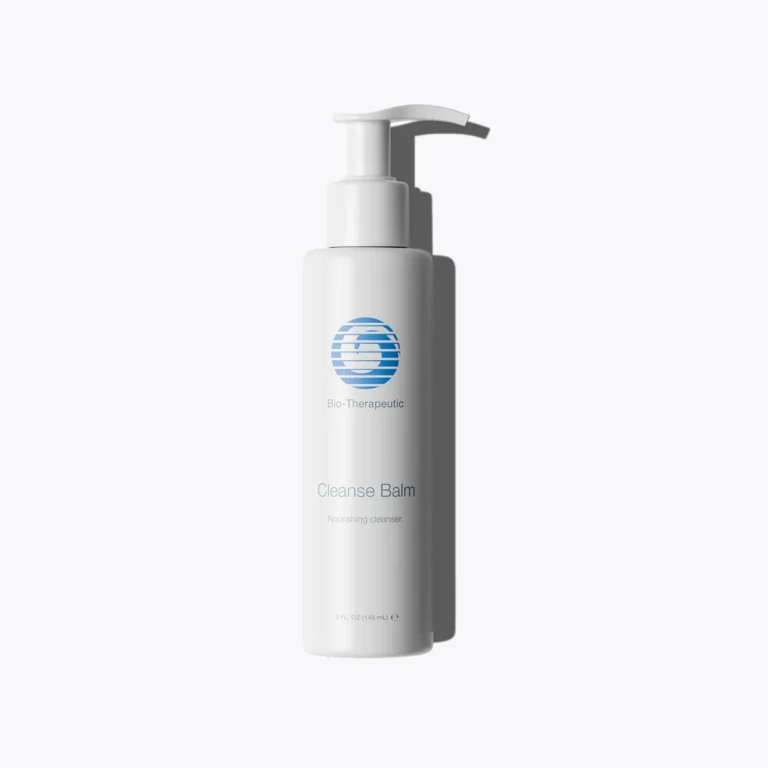
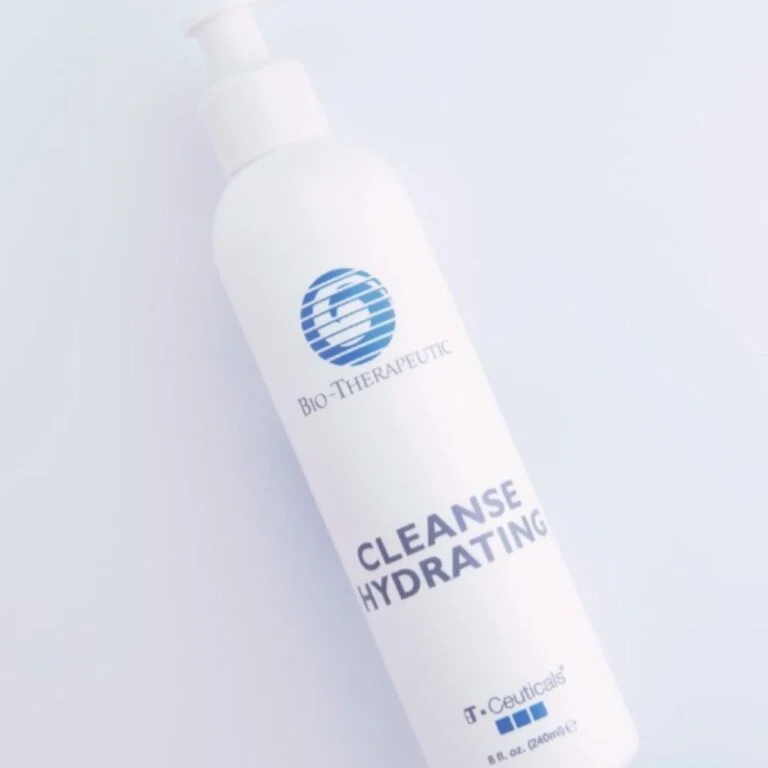
For dry or sensitive skin, Cleanse Hydrating is a creamy aloe and squalane cleanser gentle enough for the eye area, and Platinum Peptide Cream adds barrier lipids and peptides for a richer finish.
How can you try a routine before committing?
If you are new to a brand, travel sizes take the guesswork out of it. The Hyaluronic Repair Discovery Pack contains four travel sizes, including a 59ml Gel Cleanse, a Hyaluronic Repair Serum, an eye treatment and a moisturiser, in a reusable silver ion case. It is a simple way to try a complete routine for a few weeks, and the case comes in handy for travel afterwards.
Give any new routine at least four weeks before judging it. Skin needs time to settle, and you will learn more from a month of consistency than a week of switching.
When should you add a fourth product?
Once the basics are a habit and your skin feels comfortable, you might want to target something specific. Add one product, use it for a few weeks, then decide.
- Dullness or uneven tone: a vitamin C or niacinamide toner in the morning.
- Fine lines and texture: a retinal serum, a few evenings a week.
- Dehydration: a hyaluronic acid mist or serum before moisturiser.
- Congestion: a salicylic acid toner or a weekly clarifying masque.
Whatever you add, it goes between cleanser and moisturiser. If you share a bathroom shelf, our no-fuss men’s skincare routine follows the same principles. You can see the full range on our Bio-Therapeutic page.
Related reading
- Morning Skincare Routine: The Right Order, Step by Step
- Evening Skincare Routine: What to Use and in Which Order
- Do You Really Need SPF Every Day in the UK?
- Double Cleansing: Who Needs It and How to Do It Properly
Frequently asked questions
Do I need a toner in a simple skincare routine?
No. Modern cleansers do not leave skin in a state that needs “rebalancing”, so a toner is optional. Today’s toners and mists are really a way to add hydration or a specific ingredient, such as salicylic acid for congestion or niacinamide for tone. If you enjoy one, use it after cleansing; if not, you are not missing an essential step.
Can I use the same moisturiser morning and night?
Yes, for most people that works perfectly well, and it keeps things simple. Some people with dry skin like a richer cream at night, and some with oily skin prefer something lighter in the morning under SPF. If your moisturiser contains vitamin C, it is fine at both times, as long as you follow it with SPF in the morning.
Is moisturiser with SPF enough instead of a separate sunscreen?
It can be, if you apply enough of it, but most people use far less moisturiser than the amount needed to get the SPF on the label. A separate sunscreen applied generously as the last step is the more reliable choice, especially for long days outdoors. Keeping them separate also lets you choose the best moisturiser for your skin type.
What is the minimum skincare routine for busy people?
Cleanse and moisturise at night, and moisturise plus SPF in the morning. If you are really pushed for time, rinse with water in the morning and cleanse properly in the evening. The one step not to skip is sunscreen during the day, because it has the biggest long-term effect on how your skin looks.