The right night skincare routine order is: remove makeup and SPF with a first cleanse, follow with a second cleanse, then apply toner, treatment serum (such as a retinoid), eye cream and finally a richer moisturiser. Evenings are when you clean away the day and use your most active products, because there is no sun exposure to think about until morning.
Key takeaways
- Evening is the time for a thorough cleanse, ideally a double cleanse if you wear SPF or makeup.
- Treatment products such as retinal and retinol belong in your night routine, not your morning one.
- Layer thinnest to thickest, finishing with a moisturiser that helps skin feel comfortable overnight.
- Do not stack every active on the same night. Alternate exfoliants and retinoids.
- A calm, consistent routine supports a more relaxed wind-down before bed.
What order should you do your skincare at night?
Here is the full evening sequence. Not every step is essential, but this order helps each product work as intended.
| Step | Product | Purpose |
|---|---|---|
| 1 | Oil or balm cleanser | Dissolves SPF, makeup and excess oil |
| 2 | Water-based cleanser | Cleans the skin itself |
| 3 | Toner or hydrating fluid | First layer of hydration |
| 4 | Treatment serum | Retinoid, peptides or exfoliating step |
| 5 | Eye cream | Targeted care for the thinner skin around the eyes |
| 6 | Moisturiser | Softens and helps hold hydration in overnight |
Step 1 and 2: Should you double cleanse at night?
If you wear sunscreen, makeup or both, a double cleanse is the most reliable way to remove them. Double cleansing simply means two cleanses: an oil or balm to dissolve the day’s products, then a water-based cleanser to clean the skin underneath.
First cleanse
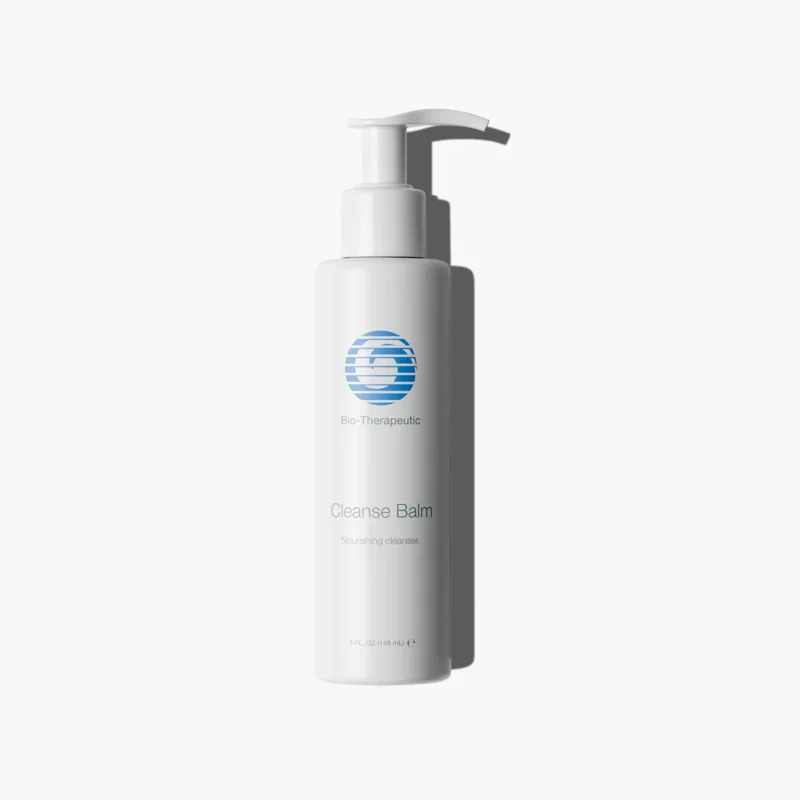
Massage a balm onto dry skin for about a minute, then emulsify with a little water and remove with a warm, damp cloth. Cleanse Balm blends grapeseed, jojoba, avocado and sunflower oils with squalane and vitamin E, and melts away makeup and SPF without leaving skin stripped.
Second cleanse
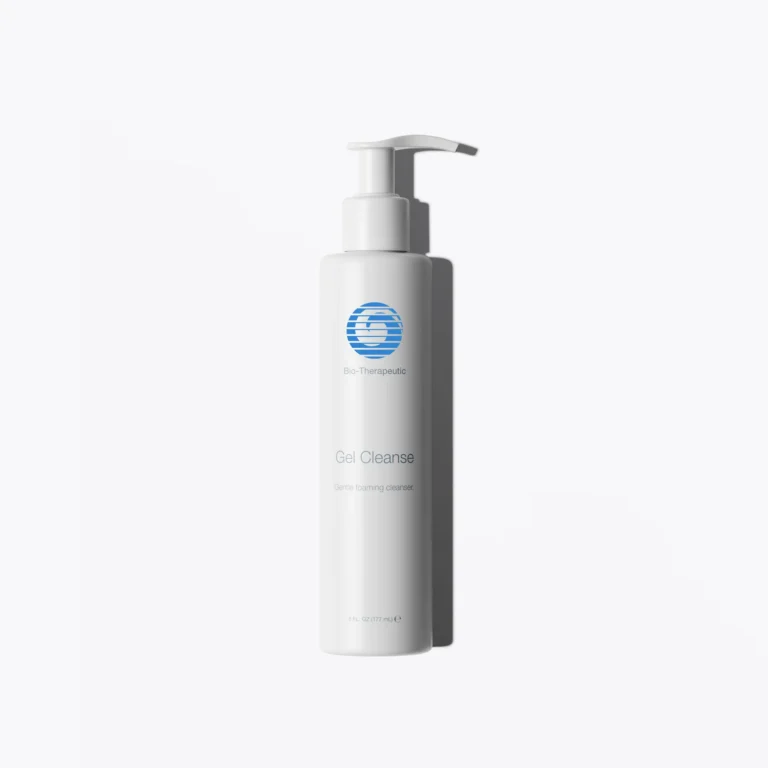
Follow with a gentle gel such as Gel Cleanse. This is the ideal moment for a sonic brush, because your skin is already free of makeup. The bt-sonic GEN2 has three power levels and a triangular head that reaches around the nose and chin. Our double cleansing guide covers who needs it and how to do it well.
Step 3: Do you need toner at night?
Toner is optional, but a hydrating one applied to damp skin is a lovely way to start your treatment steps. It helps serums spread and leaves skin feeling comfortable rather than tight after cleansing.
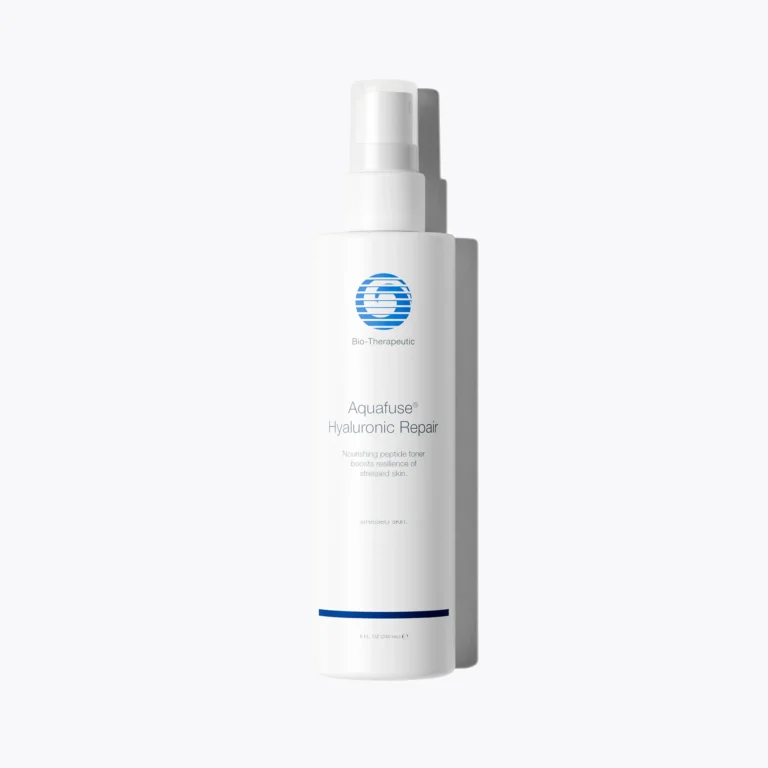
Restyfluid combines low molecular weight sodium hyaluronate with peptides and works as a pre-serum booster. Sodium hyaluronate is a form of hyaluronic acid, a humectant that draws water into the skin’s upper layers. Our hyaluronic acid guide explains how to use it properly.
Step 4: When should you apply retinal or retinol at night?
Retinoids are vitamin A derivatives that help skin look smoother, more even and more refined over time. Retinal (retinaldehyde) and retinol are two of the forms you will see in cosmetic skincare. They belong in your evening routine because they increase your skin’s sensitivity to the sun.
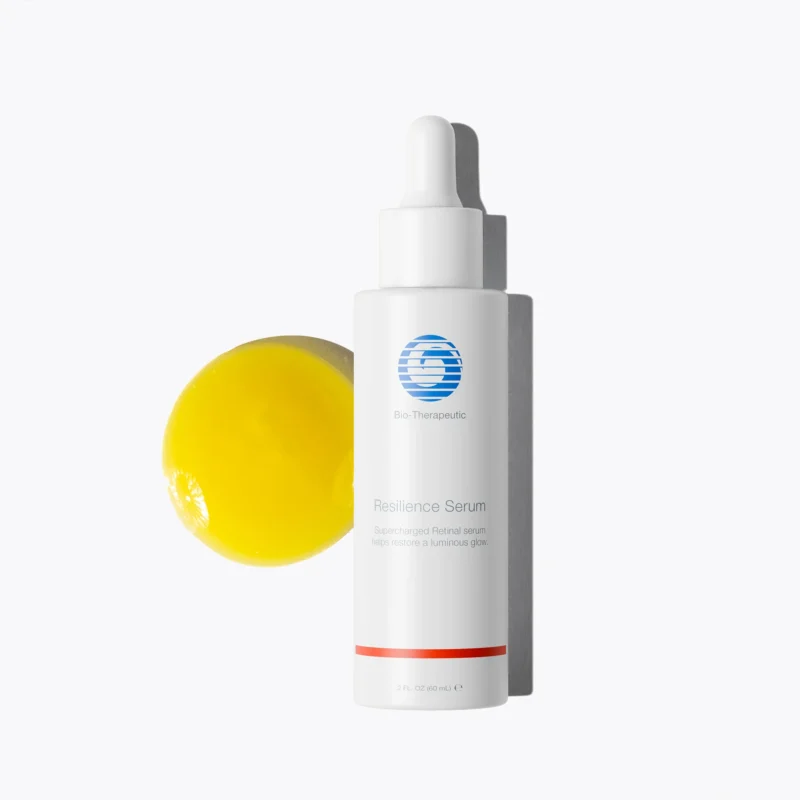
Apply your retinoid serum to clean, dry skin after toner. Resilience Serum pairs stabilised retinal with bakuchiol, peptides and antioxidants such as astaxanthin.
- Start two or three evenings a week and build up slowly as your skin gets used to it.
- Use a pea-sized amount for the whole face.
- Avoid using it on the same night as strong exfoliating acids.
- Wear broad-spectrum SPF every morning.
If you are pregnant, trying to conceive or breastfeeding, check with your GP or pharmacist before using retinoids. Not sure which form suits you? Read retinal vs retinol.

Step 5 and 6: Eye cream, then moisturiser
Tap eye cream gently along the orbital bone with your ring finger before applying moisturiser, so the richer cream does not migrate into the eye area. Platinum Restore Eye Cream uses peptides and hyaluronic acid to help the look of fine lines and puffiness.
Finish with a moisturiser that helps skin feel comfortable overnight. Platinum Peptide Cream puts serum-strength peptides into a rich moisturiser with barrier lipids, so skin feels soft and supple by morning. Press it in with your palms and include your neck.
How should your night routine change through the week?
A good evening routine is not identical every night. Rotating your treatment step gives your skin time to recover and helps avoid irritation.
- Retinoid nights: double cleanse, toner, retinoid serum, eye cream, moisturiser.
- Exfoliation night: double cleanse, exfoliant, hydrating toner, moisturiser. No retinoid.
- Recovery nights: double cleanse, hydrating toner, peptide serum or masque, moisturiser.
If your skin starts to feel tight, stings when you apply products or looks red, scale back to recovery nights until it settles.
How does a night routine fit into winding down?
Many people find a consistent evening routine becomes a signal that the day is over. Dim the lights, take your time with the balm cleanse and treat your skincare as a few minutes for yourself rather than a chore.
If you want to go further, our 30-minute evening wind-down pairs this routine with time on an acupressure mat from Bed of Nails, which many people find helps them relax and unwind before bed. For the daytime half of your routine, see our morning skincare routine order, and explore the full Bio-Therapeutic range.
Related reading
- Morning Skincare Routine: The Right Order, Step by Step
- Double Cleansing: Who Needs It and How to Do It Properly
- Hyaluronic Acid: What It Does and How to Use It Properly
- The 30-Minute Evening Wind-Down: Skincare Plus Acupressure
Frequently asked questions
Should I put moisturiser on after retinol or retinal?
Yes. Apply your retinoid to clean, dry skin, wait a minute or two, then follow with moisturiser to help skin feel comfortable and reduce dryness. If your skin is sensitive or new to retinoids, some people prefer a thin layer of moisturiser before and after, sometimes called a sandwich, to make the experience gentler.
Is it bad to skip skincare at night?
Skipping your full routine occasionally is not a problem, but try not to skip cleansing. Sleeping in makeup and SPF can leave skin looking dull and feeling congested. On tired nights, a quick cleanse followed by moisturiser is a perfectly good minimum, and it keeps the habit going.
Can I use a face oil in my night routine?
Yes. A face oil usually goes at the very end, after moisturiser, or mixed into it, because oils can slow down how well water-based products absorb. Dry and mature skin types often enjoy a few drops at night. If your skin is oily or congestion-prone, a lighter moisturiser on its own may be enough.
How long before bed should I do my skincare?
Ideally, do your routine at least 20 to 30 minutes before you lie down, so products have time to absorb rather than transferring to your pillowcase. Doing it earlier in the evening, such as before you settle down to read or relax, also helps your skincare become part of a calming wind-down.