Peptides are short chains of amino acids, the building blocks of proteins, and in skincare they are used to help skin look firmer, smoother and more supple and to feel more comfortable. Their benefits are gradual rather than dramatic, they are gentle enough for most skin types, and they work well morning and night alongside retinoids, hyaluronic acid and SPF.
Key takeaways
- Peptides are small fragments of protein; different peptides are designed for different jobs.
- The main types are signal peptides, carrier peptides and peptides aimed at expression lines.
- They are well tolerated, which makes them a good choice for sensitive skin or alongside retinal.
- Expect softer-looking lines and a more supple feel over weeks of use, not overnight change.
- They work best in leave-on products such as serums, creams and eye creams.
What are peptides in skincare?
Proteins are long chains of amino acids. Peptides are the same thing in miniature: usually between two and a few dozen amino acids linked together. Collagen, elastin and keratin, the proteins that give skin its structure and spring, are all made from amino acids too.
In cosmetics, peptides are made in a lab to be stable in a formula and small enough to be useful on skin. Each one has a slightly different design and purpose, which is why you will see long, complicated names on ingredient lists, such as palmitoyl tripeptide-38 or acetyl octapeptide-3. The number tells you how many amino acids are in the chain.
What are the different types of peptides?
Peptides are usually grouped by what they are designed to do. You do not need to memorise these, but they help you understand why a product contains several.
| Type | What it is designed to do | Where you might see it |
|---|---|---|
| Signal peptides | Modelled on fragments of skin’s own structural proteins; used to help skin look firmer and smoother | Firming serums and creams |
| Carrier peptides | Help deliver trace minerals such as copper to the skin | Recovery creams and masques |
| Expression-line peptides | Inspired by how facial muscles move; used to soften the look of expression lines | Targeted serums for the forehead and around the eyes |
| Enzyme-inhibitor peptides | Designed to help protect skin’s existing structure | Multi-peptide serums |
Many good formulas use a blend, so the peptides support each other rather than relying on one.
What can peptides actually do for your skin?
Honest expectations make for happier skincare. Used consistently, peptides can help:
- skin feel more supple, bouncy and comfortable;
- the look of fine lines and expression lines appear softer;
- skin look smoother and more even in texture;
- a stressed-feeling barrier feel calmer, especially in creams that also contain lipids.
What peptides cannot do is replace sun protection, change the structure of your face or match what a clinic procedure does. They are a steady, gentle ingredient that rewards patience. Most people judge results after six to twelve weeks of daily use.
Which peptide products should you use?
Peptides work best in products that stay on your skin. Here is how they fit into a routine, with the Bio-Therapeutic Platinum range as examples.
Peptide serum
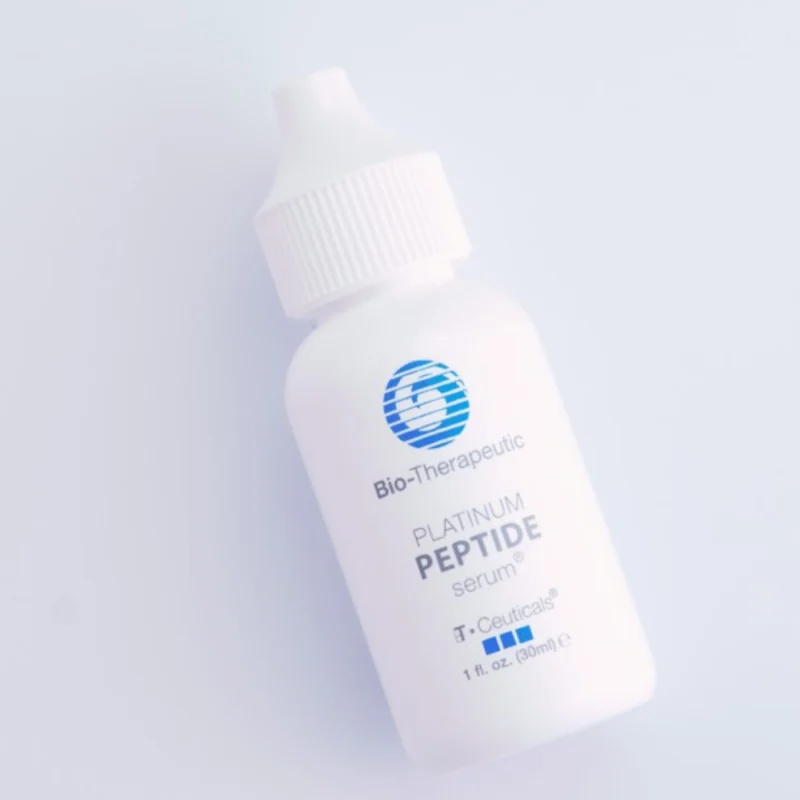
Platinum Peptide Serum combines a peptide blend with sodium hyaluronate and antioxidants. It is light enough for morning use under SPF and pairs well with microcurrent sessions.
Expression-line serum
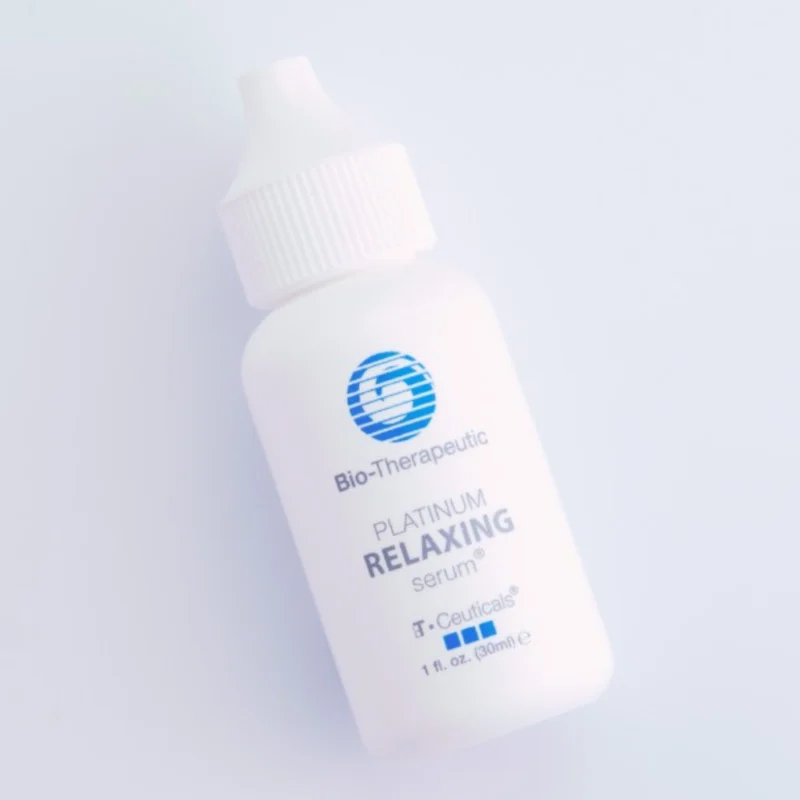
Platinum Relaxing Serum contains acetyl octapeptide-3, sometimes known as SNAP-8, alongside hyaluronic acid and collagen. Apply it to areas where expression lines form, such as the forehead and between the brows, to help soften their look.
Peptide moisturiser
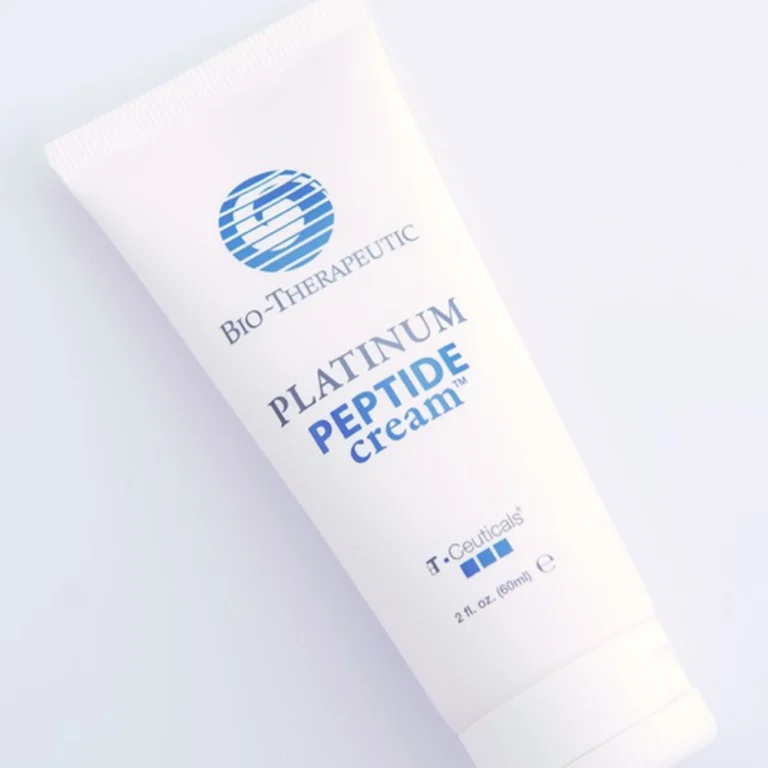
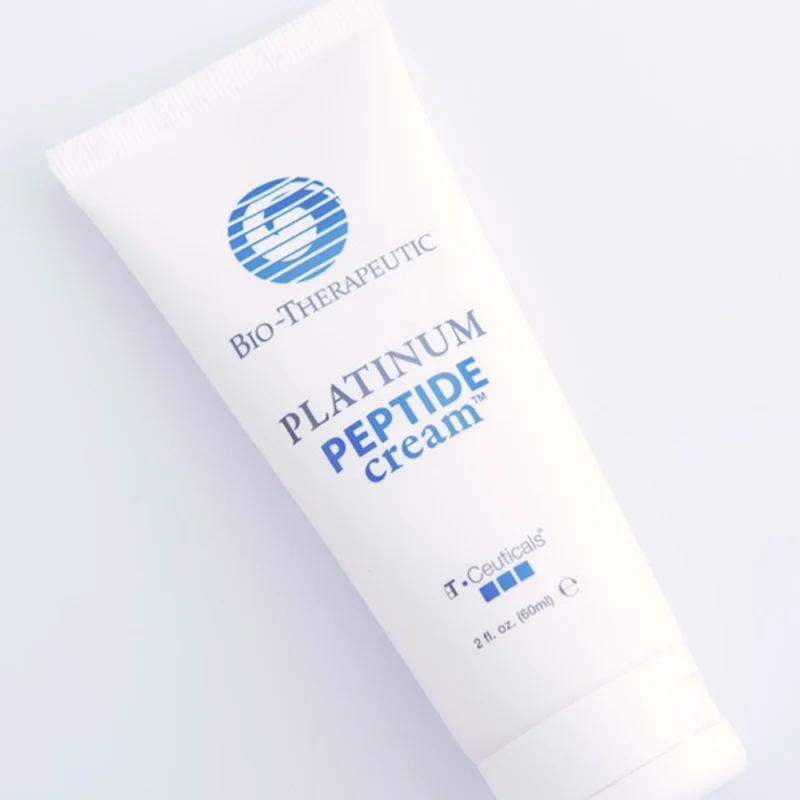
Platinum Peptide Cream puts serum-strength peptides into a rich moisturiser with barrier lipids, so it hydrates, cushions and delivers peptides in one step.
Peptide eye cream
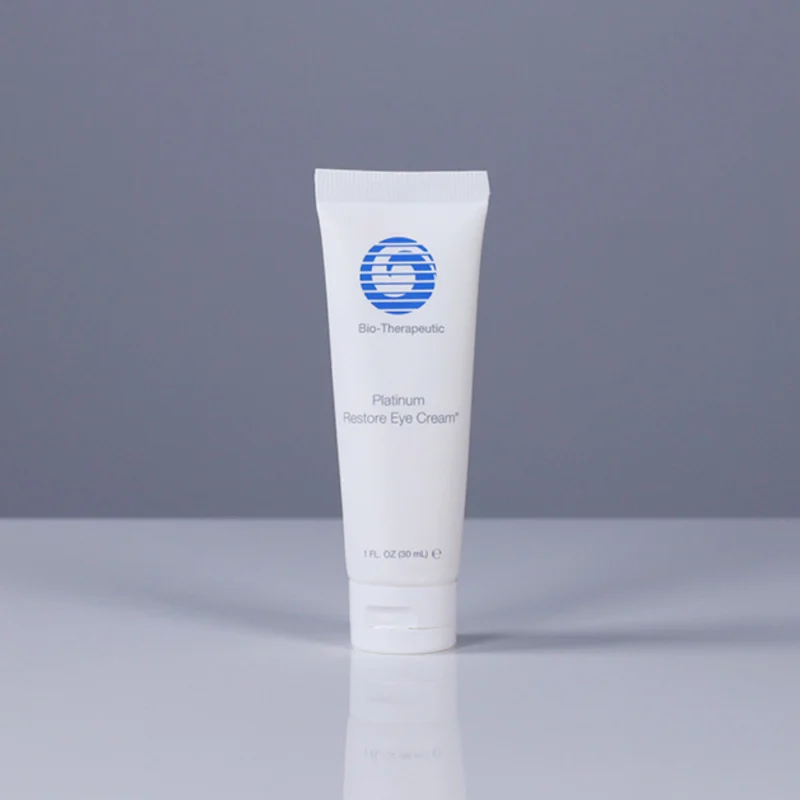
Platinum Restore Eye Cream blends peptides with hyaluronic acid, antioxidant vitamins and green tea to help the look of puffiness and fine lines. Our eye-area care guide covers how to apply it.
Can you use peptides with retinol, vitamin C and acids?
Peptides combine well with most ingredients. A few practical pointers:
- Retinal and retinol: an excellent pairing. Peptides are gentle and can help skin feel more comfortable while you adjust to a retinoid. Our guide to retinal vs retinol explains how to start.
- Hyaluronic acid and niacinamide: no conflict; many peptide products already contain them.
- Vitamin C: fine in the same routine. If you use a strongly acidic vitamin C serum, some people prefer to apply peptides at a different time of day.
- Exfoliating acids: use strong AHA or BHA products at a different time from your peptide serum, so neither works against the other.
How do you add peptides to your routine?
- Cleanse and mist or tone.
- Apply a peptide serum to slightly damp skin, morning, evening or both.
- On retinal nights, apply your retinal first, then a peptide cream.
- Pat on eye cream.
- Finish with moisturiser, and SPF in the morning.
For more on putting layers in the right order, read how to layer serums, toners and creams. You can see the full Platinum collection on our Bio-Therapeutic page.
Are peptides good for mature skin?
They are a natural fit. Mature skin often feels drier and looks less firm, and peptides target exactly those concerns without the adjustment period of stronger actives. They pair particularly well with retinal at night and SPF by day. Our skincare routine for your 40s and 50s shows how to put them together, and our article on what topical collagen can and can’t do is a useful companion read.
Related reading
- Skincare in Your 40s and 50s: A Routine That Works Harder
- Retinal vs Retinol: The Difference and How to Start
- Puffy Eyes, Fine Lines and Dark Circles: An Eye-Area Care Guide
- Collagen Skincare: What Topical Collagen Can (and Can’t) Do
Frequently asked questions
How long do peptides take to work on skin?
You will usually feel a softer, more comfortable finish straight away, because peptide products tend to be hydrating. Visible changes to the look of fine lines and firmness are gradual. Most people need six to twelve weeks of consistent daily use before judging, and results are best maintained by continuing to use them alongside daily SPF.
Are peptides safe for sensitive skin?
Peptides are generally very well tolerated, which is one reason they are popular for sensitive and reactive skin. As with any product, the full formula matters, so check for fragrance or other ingredients you know you react to, and patch test on a small area first. If your skin is currently irritated, keep your routine simple until it settles.
Can I use peptides and retinol at the same time?
Yes. Peptides and retinoids are a popular combination. Apply your retinol or retinal first on clean, dry skin, then follow with a peptide serum or peptide moisturiser. If your skin is sensitive while adjusting to a retinoid, you can use peptides alone on alternate evenings, and always wear sunscreen the following morning.
Are peptides better in a serum or a cream?
Both work, and they do slightly different jobs. A serum is lighter, layers easily under other products and suits morning use under SPF. A peptide cream combines peptides with moisturising lipids, which is ideal for drier skin or as the last step at night. Many people use a peptide serum in the morning and a peptide cream in the evening.