Collagen skincare works on the surface of your skin, not deep inside it. Topical collagen is an excellent hydrator that helps skin feel softer and look smoother and plumper for a while, but the molecules are generally too large to replace the collagen your skin makes itself. Used for what it does well, and paired with SPF and supportive ingredients, it earns its place in a routine.
Key takeaways
- Collagen is the main structural protein in skin; your own production naturally slows with age.
- Collagen applied to the skin acts mainly as a humectant and film-former: it draws in moisture and smooths the surface.
- It cannot “top up” or rebuild the collagen in your skin, whatever a label suggests.
- The most useful supporting habits are daily SPF, peptides, retinoids (if tolerated) and good hydration.
- Collagen ampoules and masques are ideal for a quick boost before an event or after a dry spell.
What is collagen, and why does everyone talk about it?
Collagen is a protein that gives skin its structure, a bit like the springs in a mattress. It sits in the dermis, the layer beneath the surface, alongside elastin (which helps skin bounce back) and hyaluronic acid (which holds water).
From early adulthood onwards, the body gradually makes less collagen, and the existing collagen is broken down by everyday factors such as UV exposure, smoking and pollution. Over time this shows as a softer jawline, finer texture and lines that linger. It is no surprise that collagen has become one of the most searched-for words in skincare.
Can collagen in skincare actually reach the deeper layers?
Generally, no. Collagen molecules are large, and the skin’s outer layer is designed to keep large molecules out. That is why we are careful never to say a collagen product rebuilds or replaces your collagen. Any brand that promises this is overstating what a cosmetic can do.
What topical collagen does well is sit on the surface and attract water. It forms a fine, flexible film that reduces moisture loss, so skin feels supple, looks smoother and fine dry lines appear softer. Those effects are real and visible, but temporary, which is why consistency matters.
| What topical collagen can do | What it can’t do |
|---|---|
| Hydrate the surface and help reduce moisture loss | Penetrate into the dermis in its whole form |
| Help skin feel soft, supple and comfortable | Replace or rebuild your own collagen |
| Temporarily help the look of fine, dry lines | Lift or reshape the face permanently |
| Give a plumper, fresher look before an event | Undo sun damage or replace daily SPF |
What’s the difference between collagen creams, ampoules and masques?
The format changes how concentrated the dose feels and how long it sits on the skin.
Ampoules
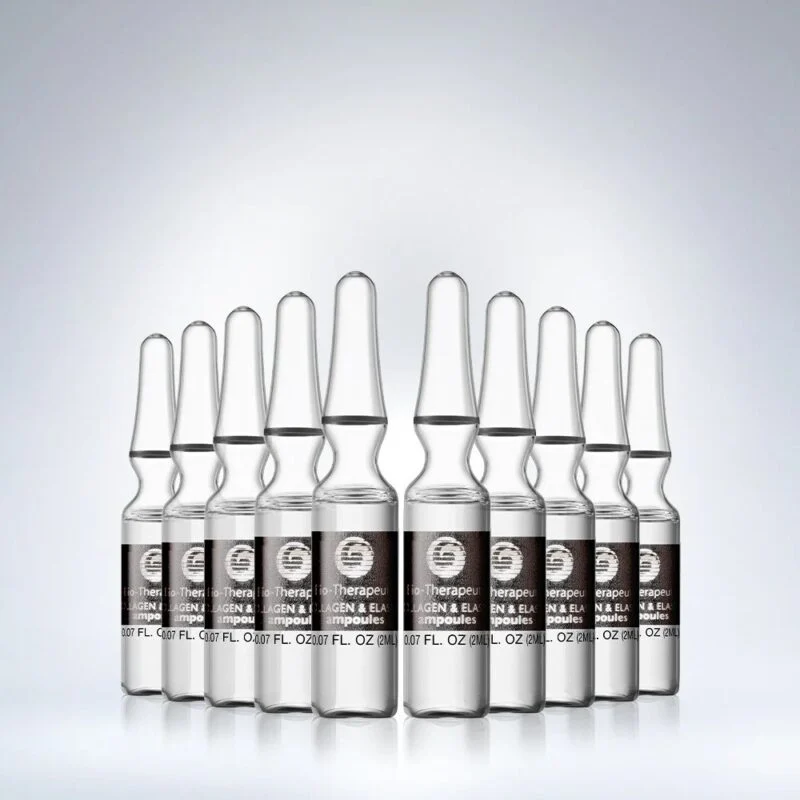
Ampoules are small, sealed, single-use vials. Because each one is opened fresh, they suit a short, intensive course. The Collagen & Elastin Ampoules contain water-soluble collagen and elastin for a burst of hydration and a supple feel. Many people use them as a ten-day boost when skin feels tired, or the week before a special occasion.
Biocellulose sheet masques
Biocellulose is a fine, fibrous material that clings closely to the contours of the face, holding the formula against the skin. The bt-infusion Collagen Masque pairs collagen with hydrolysed elastin, Indian gooseberry and licorice for skin that looks plumper and more even after one session.
Gel masques
Gel masques feel cool and cushiony and are lovely layered over a serum. The Hyaluronic Collagen Resilience Masque combines hyaluronic and lactic acid, elastin, three peptides and niacinamide. If you are choosing between formats, our guide to sheet masks, biocellulose and gel masques compares them side by side.


Which ingredients support firmer-looking skin alongside collagen?
If your goal is skin that looks firmer and smoother over time, collagen works best as part of a team. These are the ingredients worth knowing:
- Peptides: short chains of amino acids, the building blocks of proteins. Some are designed to act as messengers in cosmetic formulas. Our guide to peptides explained without the jargon covers how they differ.
- Hyaluronic acid: a humectant that holds water in the skin’s surface, making it a natural partner for collagen. Read our hyaluronic acid guide to use it properly.
- Retinoids: vitamin A derivatives, among the most researched cosmetic ingredients for the look of fine lines and uneven texture. Introduce them slowly and always use SPF.
- Vitamin C: an antioxidant that helps the look of brightness and helps protect against everyday environmental stress.
- Broad-spectrum SPF: the single most important step for protecting the collagen you already have, because UV exposure is one of the main drivers of its breakdown.
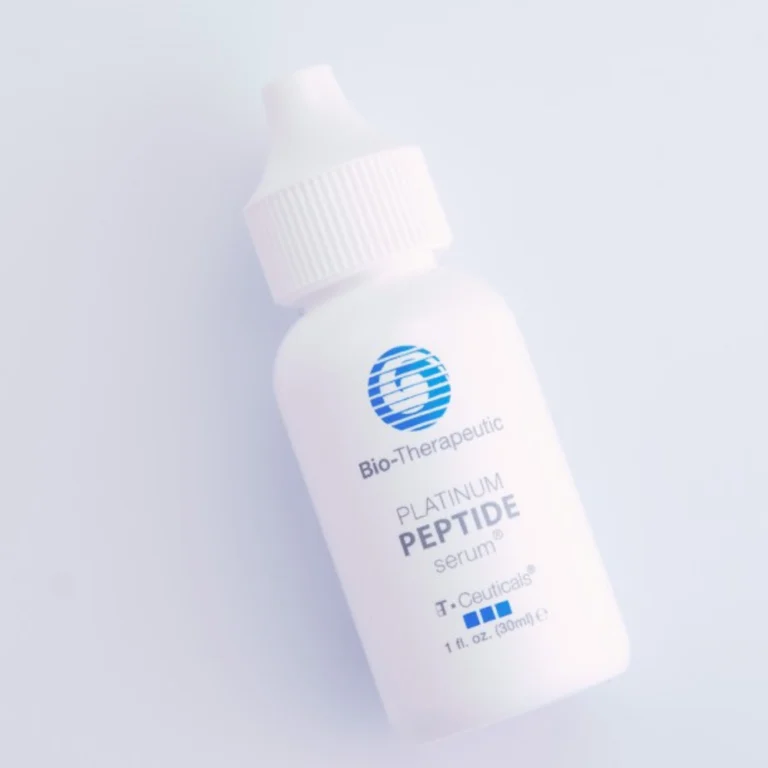
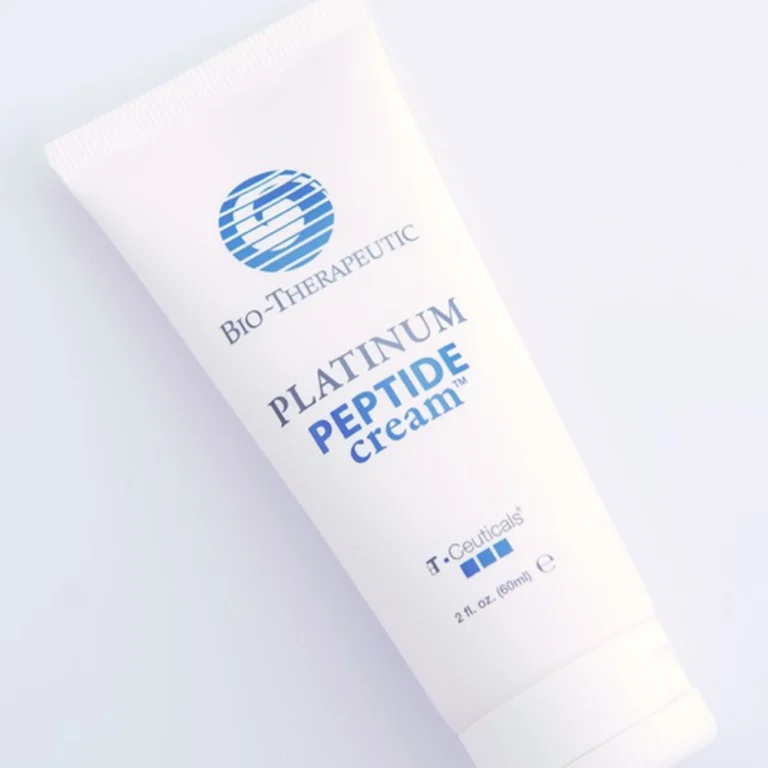
A peptide-rich moisturiser such as the Platinum Peptide Cream layered over a collagen ampoule gives a comforting finish, while Shade SPF 30 Climate Control each morning protects your efforts. Our article on why you need SPF every day in the UK explains why it matters even in winter.
How do you build a collagen-focused routine?
- Cleanse gently. A harsh cleanser undoes hydration before you start.
- Mist or tone. Slightly damp skin helps water-loving ingredients spread evenly.
- Apply your collagen ampoule or serum. Press it in with your palms rather than rubbing.
- Masque two or three times a week, or more often during a short course before an occasion.
- Seal with moisturiser. A cream helps hold the hydration in place.
- SPF every morning, whatever the weather.
If you own a microcurrent device such as the bt-sculpt GEN2, a gel masque afterwards makes a soothing finish to a session that temporarily tones and lifts the look of the face.
Is collagen skincare worth it for mature or menopausal skin?
For skin that feels drier and looks less bouncy than it used to, collagen products can be genuinely pleasant and useful, because they focus on comfort and hydration. Changes in hormone levels around menopause often show as dryness and a loss of firmness, and well-hydrated skin simply looks fresher.
Keep expectations honest: think of collagen skincare as a way to make skin feel and look its best day to day, not as a structural fix. Our guide to menopause skincare offers a wider, kinder routine for this stage, and the full Bio-Therapeutic range includes richer options for drier skin.
Related reading
- Hyaluronic Acid: What It Does and How to Use It Properly
- Peptides in Skincare, Explained Without the Jargon
- Sheet Masks, Biocellulose or Gel Masques: Which Should You Choose?
- Skincare in Your 40s and 50s: A Routine That Works Harder
Frequently asked questions
Does collagen cream actually do anything?
Yes, but mainly at the surface. Collagen in a cream attracts water and forms a light film that helps skin feel soft and supple and makes fine, dry lines look less obvious. It does not travel into the deeper layers to replace your own collagen. For a visible difference, use it consistently alongside a daily SPF and supportive ingredients such as peptides.
Is topical collagen better than collagen supplements?
They are different things and are hard to compare. Topical collagen hydrates and smooths the skin’s surface, and you can see and feel the effect quickly. Supplements are a food product rather than skincare, and we don’t make claims about them. If you are considering a supplement, it is sensible to speak to a GP or pharmacist, particularly if you take medication.
How often should I use a collagen face mask?
Two or three times a week suits most skin types as part of a regular routine. Before an event, a short course over several consecutive days can give a fresher, plumper look. Single-use sheet and gel masques are hygienic and easy to schedule, so many people keep one for Sunday evenings and another for the night before a busy day.
Can I use collagen skincare with retinol or retinal?
Yes. Collagen products are hydrating and generally well tolerated, so they pair well with retinoids, which can leave skin feeling dry while it adjusts. Apply your retinoid at night as directed, then a collagen ampoule or comforting moisturiser. On nights off from your retinoid, a collagen masque is a pleasant way to rehydrate. Always wear SPF the next morning.
What does elastin do in skincare?
Elastin is the protein that helps skin spring back after it moves. Like collagen, elastin in a product is too large to reach the deeper layers, so it works as a surface conditioner, helping skin feel softer and more supple. It is often combined with collagen in ampoules and masques for a smooth, comfortable finish.