A good skincare routine for mature skin keeps cleansing gentle, puts a retinoid such as retinal and a peptide serum to work in the evening, and protects with a broad-spectrum SPF every morning, all year round in the UK. In your 40s and 50s skin tends to feel drier and look less firm, so the routine needs to work harder without becoming harsher.
Key takeaways
- Skin in your 40s and 50s usually feels drier, looks duller and shows expression lines more readily, with hormonal shifts playing a part.
- Evenings are for active ingredients such as retinal and peptides; mornings are for hydration and SPF.
- Peptides and hyaluronic acid sit comfortably alongside retinal and help skin feel plumper and more supple.
- Your neck, jawline and eye area deserve their own steps, not leftover cream.
- A microcurrent device can temporarily tone the look of facial contours as an optional extra.
What changes in your skin in your 40s and 50s?
Skin renews itself more slowly as the years go by, so dead cells linger on the surface and the complexion can look a little flat. Oil production often drops too, which is why a cleanser or moisturiser you loved at 30 may suddenly leave you feeling tight.
Firmness changes are most visible along the jawline, around the mouth and on the neck. Fine lines around the eyes become more noticeable, and years of daylight exposure can show up as uneven tone and patches of pigmentation.
For many women, perimenopause and menopause add another layer. Falling oestrogen is linked with drier, thinner-feeling skin and new sensitivity. If that sounds familiar, our guide to menopause skincare goes into more detail. None of this is about fighting your age; it is about skin that feels comfortable and looks healthy.
What is the best morning skincare routine for mature skin?
Mornings are about hydration and protection. Keep it quick so you actually do it every day.
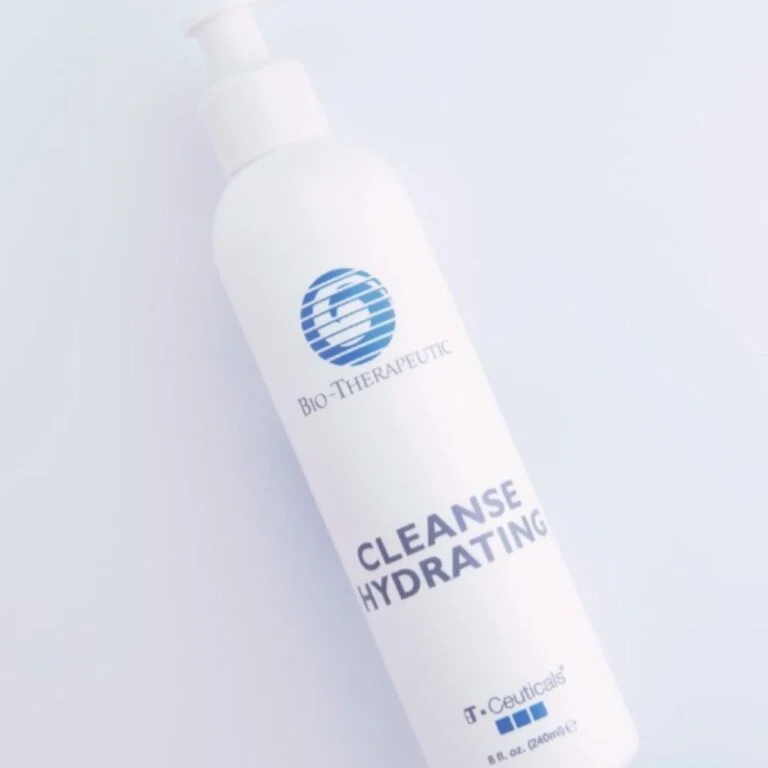
- Cleanse lightly. A creamy cleanser or simply lukewarm water is plenty if you cleansed well the night before.
- Hydrate. Mist or press in a hydrating toner while skin is still slightly damp.
- Serum. A peptide or hyaluronic acid serum adds bounce without weight.
- Eye cream. Tap a small amount around the orbital bone with your ring finger.
- Moisturiser. Choose a texture that leaves skin comfortable until lunchtime.
- SPF 30 or higher. A broad-spectrum sunscreen such as Shade SPF 30 Climate Control is the single most useful step for keeping tone even. UVA reaches the UK all year, through cloud and through windows, which is why we explain why daily SPF matters in the UK.
What should a night-time routine for mature skin include?
Evenings are when your hardest-working ingredients go on, because skin is not dealing with daylight and you can follow up with something rich.
Step 1: Cleanse properly
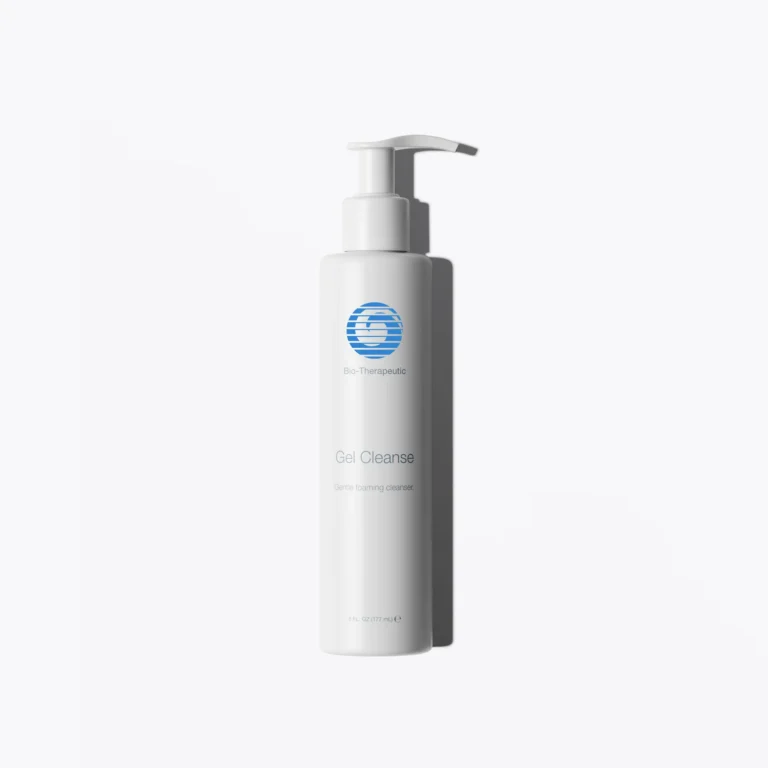
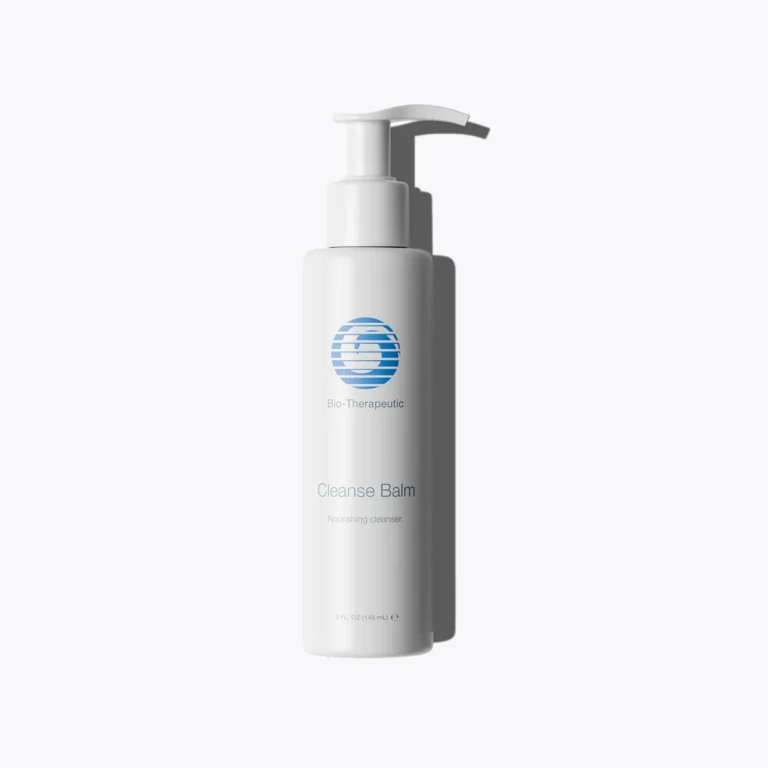
If you wear SPF or makeup, a balm or oil first cleanse followed by a gentle second cleanse removes everything without stripping. Pat dry rather than rubbing.
Step 2: Retinal serum
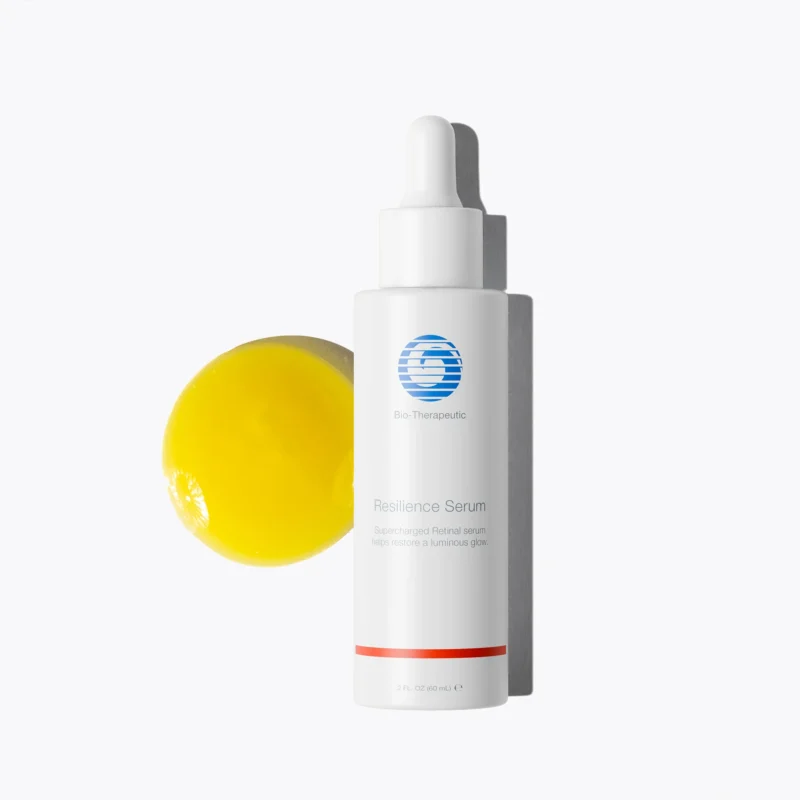
Retinal (retinaldehyde) is a vitamin A derivative that helps skin look smoother and more even in tone. Resilience Serum pairs stabilised retinal with bakuchiol, peptides and the antioxidant astaxanthin. Start two or three evenings a week and build up as your skin settles. Our article on retinal vs retinol explains how to begin.
Step 3: Targeted serum for expression lines
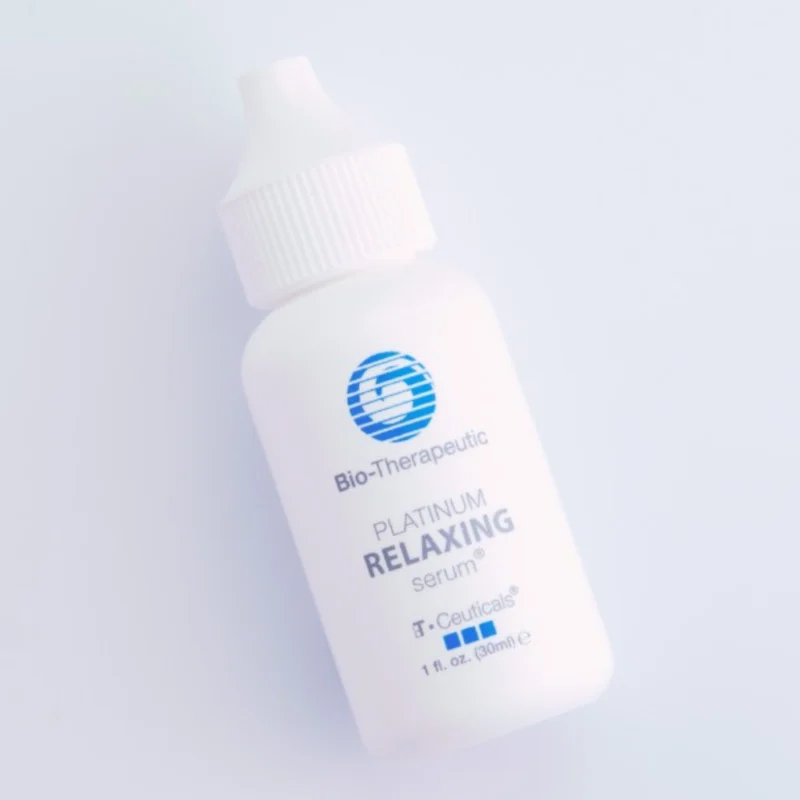
Platinum Relaxing Serum contains acetyl octapeptide-3, a peptide used to soften the look of expression lines, plus hyaluronic acid. Use it on the nights you skip retinal, or apply it first and let it absorb before your retinal step.
Step 4: Rich moisturiser
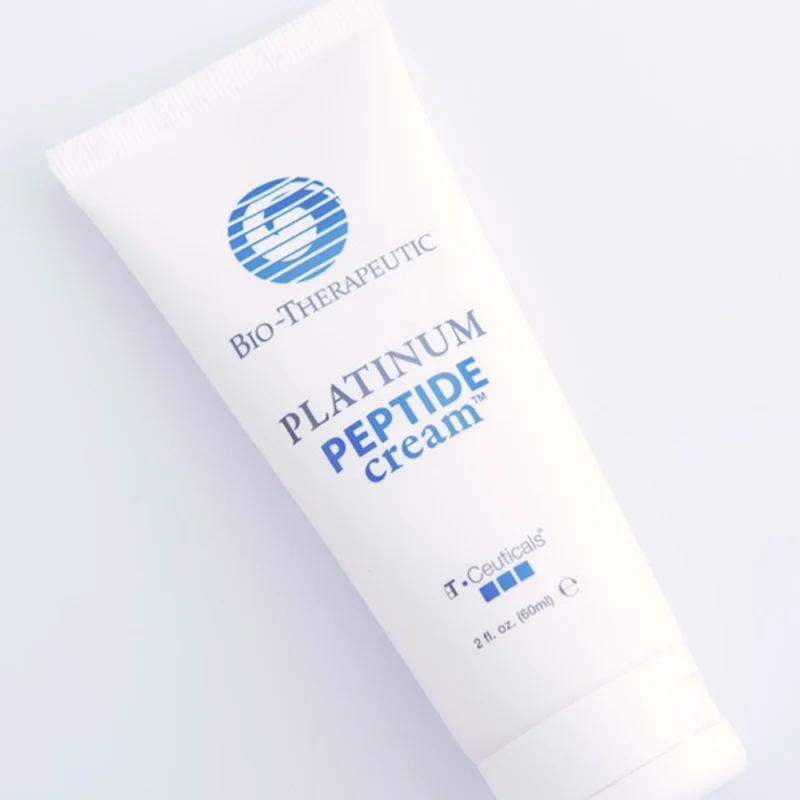
Platinum Peptide Cream combines serum-strength peptides with barrier lipids, so skin feels cushioned overnight. It also helps buffer any dryness while you get used to retinal.
Step 5: Eye cream
Finish with your eye cream so it is not diluted by heavier products layered on top.
Which ingredients matter most for mature skin?
You do not need ten actives. These four do most of the work, and they combine well when you split them between morning and evening.
| Ingredient | What it does cosmetically | When to use it |
|---|---|---|
| Retinal | Helps the look of fine lines, texture and uneven tone | Evening only, building up gradually |
| Peptides | Help skin look firmer and feel more supple | Morning and evening |
| Hyaluronic acid | Draws water into the surface so skin looks plumper | Morning and evening, on damp skin |
| Broad-spectrum SPF | Protects against UVA and UVB, the main driver of uneven tone | Every morning, reapplied outdoors |
For the detail behind each, read peptides in skincare, explained without the jargon and our hyaluronic acid guide.
How do you look after the eye area as skin matures?
The skin around your eyes is thinner than elsewhere on the face and moves constantly, so fine lines and puffiness show here first. A dedicated eye cream lets you use a texture and dose suited to that delicate area.
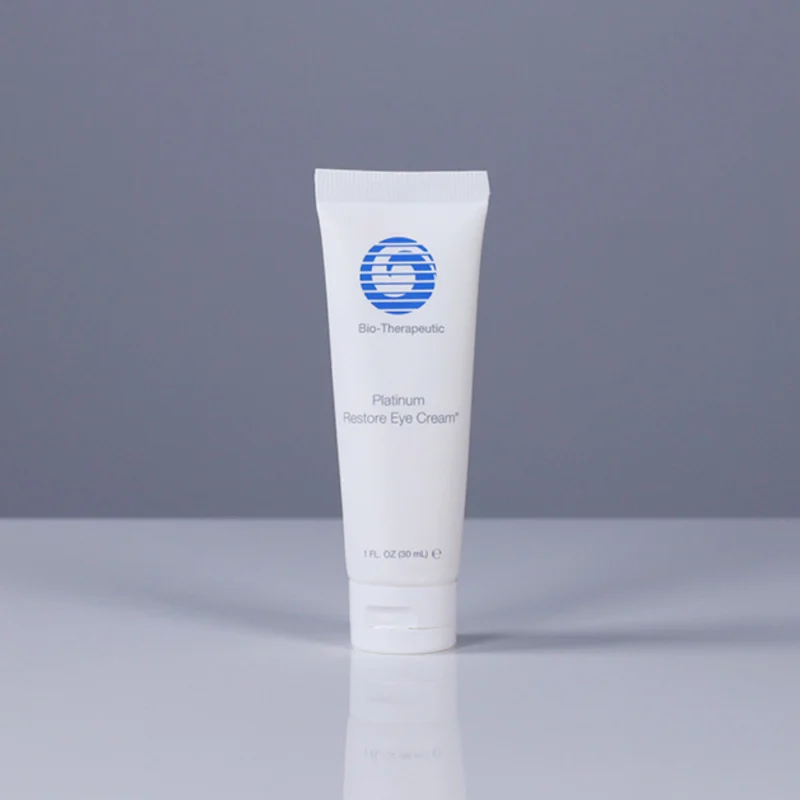
Platinum Restore Eye Cream combines peptides, hyaluronic acid, antioxidant vitamins and green tea to help the look of puffiness and fine lines. Use a rice-grain amount per eye, morning and night. For dark circles and morning puffiness, our eye-area care guide covers the full picture.
Is microcurrent worth adding in your 40s and 50s?
Microcurrent uses a very low-level electrical current, delivered through a conductive gel, to temporarily tone and lift the look of facial contours. Many people in their 40s and 50s add it because the effect is most visible along the jawline, cheekbones and brows.
The bt-sculpt GEN2, winner of the NewBeauty Awards 2026 Best Microcurrent Device, uses the same Suzuki Sequencing technology family as Bio-Therapeutic’s in-clinic devices. Results are temporary and build with regular use, so treat it as a habit rather than a one-off. Start with our complete UK guide to microcurrent facials at home.
Microcurrent is not for everyone. If you are pregnant, have a pacemaker or other implanted electronic device, have epilepsy or a history of cancer, or have had fillers or injectables recently, check with your GP or practitioner before you start.
Why does your neck need its own routine?
The neck has fewer oil glands than the face and is often forgotten when it comes to SPF, so it can look drier and more crêpey. Simply carrying your serum, moisturiser and sunscreen down past your jawline, using upward strokes, makes a real difference over time.
For a weekly treat, the Hyaluronic Delivery Neck Masque is a gel sheet shaped to fit the neck, delivering hyaluronic acid while you relax. You can explore the full range on our Bio-Therapeutic page.
Related reading
- Microcurrent Facials at Home: The Complete UK Guide
- Hyaluronic Acid: What It Does and How to Use It Properly
- Peptides in Skincare, Explained Without the Jargon
- Puffy Eyes, Fine Lines and Dark Circles: An Eye-Area Care Guide
Frequently asked questions
Is it too late to start a proper skincare routine at 50?
Not at all. Skin responds to good care at any age. Starting a gentle cleanser, a moisturiser and daily SPF will help your skin feel more comfortable within days, and adding retinal or peptides gradually can help the look of texture and tone over the following months. Introduce one new product at a time so you can see how your skin responds.
Can I use retinal and peptides at the same time?
Yes. Peptides are generally well tolerated and work happily alongside retinal. Many people apply a peptide serum first, let it absorb, then follow with retinal and a moisturiser. If your skin feels sensitive while adjusting to retinal, use the peptide product on alternate nights instead, and keep a rich peptide cream as your final step.
Should mature skin use a thicker night cream?
Often, yes. As oil production slows, a richer cream with lipids helps skin feel cushioned and comfortable overnight. You do not need heavy textures in the morning, especially under SPF and makeup, but a nourishing cream in the evening suits most people in their 40s and 50s. If you are oily or breakout-prone, a lighter lotion may still be enough.
How long does it take to see a difference from a new anti-ageing routine?
Hydrating products make skin feel softer and look plumper almost straight away. Ingredients such as retinal work more gradually, and most people notice smoother-looking texture and a more even tone after several weeks of consistent use. Give any new routine at least two to three months before judging it, and keep up daily SPF throughout.
Do I need a separate neck cream?
Not necessarily. Most face serums, moisturisers and sunscreens are fine on the neck, so the simplest approach is to extend every step down past your jawline. Go gently with retinal, as neck skin can be more reactive. A dedicated neck masque is a pleasant weekly extra rather than an essential.