The best face mask for you depends on the format as much as the formula. Fabric sheet masks are light and affordable, biocellulose masks cling closely for a more intensive feel, and gel (hydrogel) masques cool and cushion the skin while holding active ingredients against it. For dry or dehydrated UK skin, biocellulose and gel formats usually give the most noticeable, comfortable result.
Key takeaways
- Fabric sheet masks are thin and quick; biocellulose fits more snugly; gel masques feel cooling and stay put.
- Choose by skin goal: hydration, a plumper look, calm and clarity, or an even-looking tone.
- Gel masques layer beautifully over a serum and make a soothing finish after microcurrent.
- Most people get the best results from two or three masques a week, or a short daily course before an event.
- Single-use masques are hygienic and easy to travel with, but don’t reuse them.
What’s the difference between sheet, biocellulose and gel masques?
All three are “leave-on-then-remove” formats: you apply a material soaked in or made from a treatment formula, relax for a set time, then peel it off and press in what remains. The difference is the material, and that changes how the masque feels and how closely it holds the formula against your skin.
Fabric sheet masks
Usually cotton or a non-woven fibre cut into a face shape and soaked in serum. They are light and familiar, but they can slip, dry out quickly and leave gaps around the nose and chin.
Biocellulose masques
Biocellulose is a very fine natural fibre that behaves almost like a second skin. It hugs the contours closely, so the formula stays in contact with more of the face, and many people find it feels more intensive than an ordinary sheet.
Gel and hydrogel masques
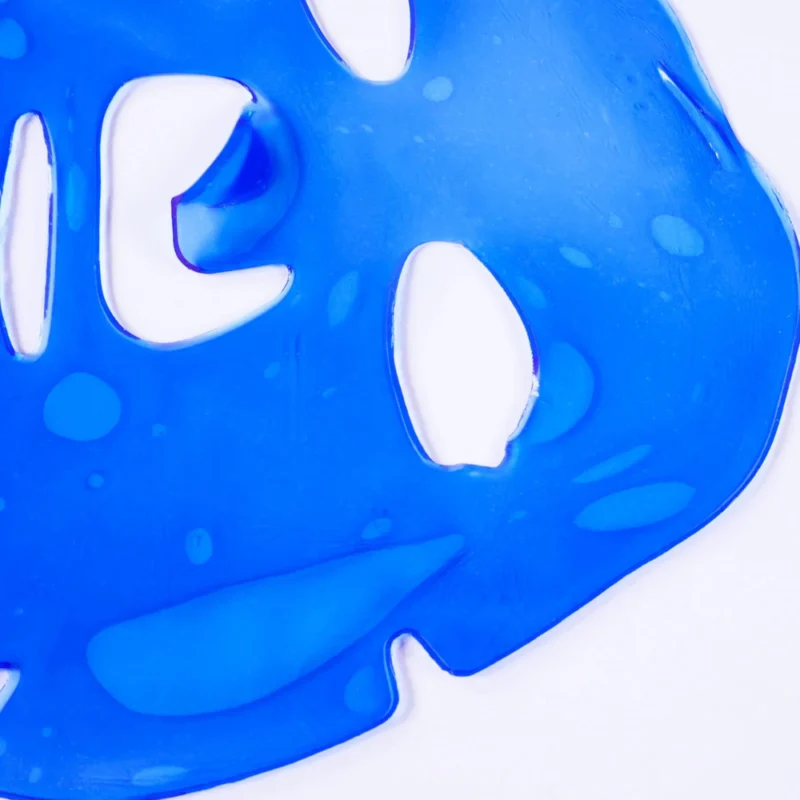
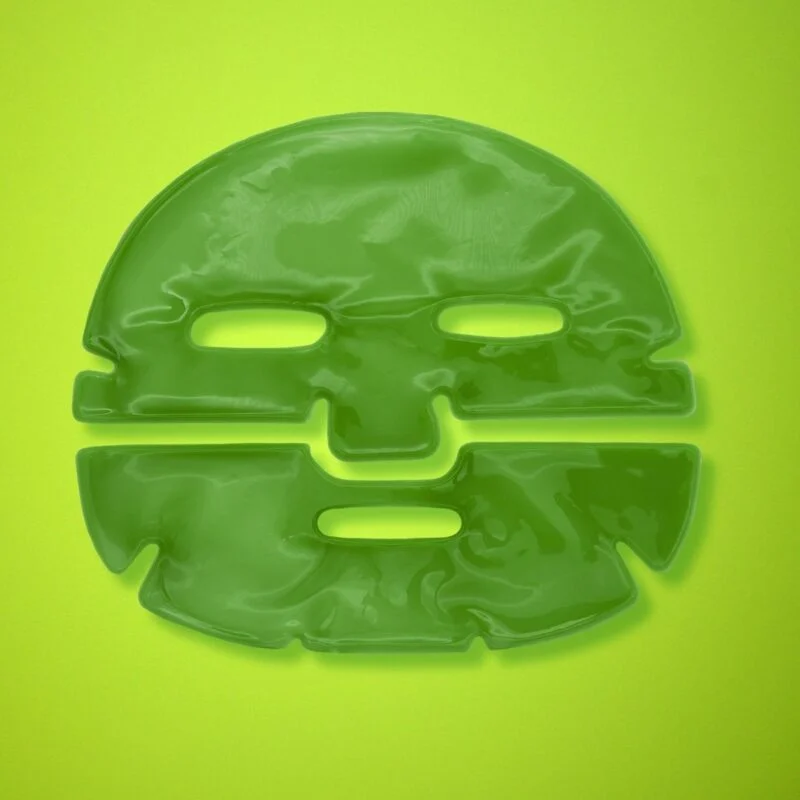
Gel masques are a soft, jelly-like layer that holds the formula within it. They feel instantly cooling, don’t drip and are easy to reposition. Some, such as two-part designs, come as separate top and bottom pieces for a closer fit.
| Format | Feel | Best for | Good to know |
|---|---|---|---|
| Fabric sheet | Light, wet | A quick refresh | Can slip and dry out |
| Biocellulose | Clingy, second-skin | Intensive hydration, a plumper look | Smooth it gently from the centre outwards |
| Gel / hydrogel | Cool, cushioning | Calming, layering over serum, after devices | Doesn’t drip; stays put while you relax |
| Wash-off cream or clay | Varies | Targeted clarifying or nourishing | Needs rinsing; less suited to travel |
Which face mask suits your skin goal?
Matching the masque to what your skin needs today is more useful than following a fixed rule. Here is how our professional masques line up.
For dry, dehydrated or tight skin
The bt-infusion Hydrating Masque is the most hydrating of the bt-infusion biocellulose series and is made for dry, stressed skin. The Hyaluronic Delivery Face Masque is a two-part marine algae gel sheet with hyaluronic acid and glycosaminoglycans, water-binding molecules that help skin feel cushioned and comfortable. If you’re not sure whether your skin is dry or dehydrated, our guide on how to tell the difference will help.
For a plumper, smoother look
The bt-infusion Collagen Masque pairs collagen with hydrolysed elastin, Indian gooseberry and licorice for skin that looks smoother and more supple. For a gel option, the Hyaluronic Collagen Resilience Masque combines hyaluronic and lactic acid with elastin, three peptides and niacinamide. Our article on what topical collagen can and can’t do sets honest expectations.
For congested, shiny or easily flushed skin
The Hyaluronic Clarity Face Masque is a cooling gel that helps skin look clearer without over-drying, with ingredients chosen to support the skin barrier and help the look of redness.
For stressed, tired-looking skin
The Hyaluronic Repair Face Masque is a copper-infused gel that cools quickly, with three peptides, skullcap, gotu kola, peony root, licorice and hyaluronic acid. It is a favourite the night before a big day.

How do you use a face masque properly?
- Cleanse and tone. Clean, slightly damp skin helps the formula spread.
- Apply a serum first if you like. Gel masques in particular work well layered over a serum, helping to hold it against the skin.
- Place the masque from the centre outwards, smoothing out air bubbles around the nose and chin.
- Relax for the time on the pack, usually somewhere between ten and twenty minutes. Don’t leave it until it dries out completely.
- Remove and press in the remaining essence with your palms.
- Finish with moisturiser, and SPF if it’s daytime.
For the full ritual, our 45-minute professional home facial shows where a masque fits alongside cleansing, exfoliation and devices.
Can you use a face masque with microcurrent?
Yes, and they make a natural pair. Microcurrent devices need a conductive medium, a water-based gel or fluid that lets the current glide over the skin, and some gel masques and hydrating fluids can play that role. Our guide on why microcurrent needs a conductive gel explains which products work and how to apply them.
After a session, a cooling gel masque is a lovely way to finish. If you are preparing for a wedding, party or photographs, our pre-event microcurrent routine plans masques across the 48 hours beforehand.
Should you use a separate eye masque?
Face masques are cut to avoid the delicate eye area, which is exactly where many of us look most tired. Small gel eye patches are designed for that zone and sit comfortably under the eyes while you get ready. Our eye-area care guide covers puffiness, fine lines and dark circles in more detail.
How often should you use a face masque?
Two or three times a week suits most people as part of a regular routine. A short daily course before an event or after a long flight is also fine for hydrating and calming formulas. If a masque contains acids, follow the pack guidance and don’t combine it with other exfoliants on the same night. Explore the full Bio-Therapeutic masque range to build a small rotation for different needs.
Related reading
- Why Microcurrent Needs a Conductive Gel (and What to Use)
- The Pre-Event Microcurrent Routine: Lifted, Fresh Skin in 48 Hours
- The Professional Home Facial: A 45-Minute Step-by-Step Ritual
- Puffy Eyes, Fine Lines and Dark Circles: An Eye-Area Care Guide
Frequently asked questions
Can I reuse a sheet mask or gel masque?
No. Sheet, biocellulose and gel masques are designed for a single use. Once removed, they have touched your skin and been exposed to air, so reusing them is unhygienic and they won’t hold the formula properly. Instead, press any leftover essence from the packet into your neck and the backs of your hands, then dispose of the masque.
Should I rinse my face after a sheet mask?
Usually not. The essence left behind is part of the treatment, so pat or press it in gently until it absorbs, then apply moisturiser. If your skin feels tacky or you are about to apply make-up, you can blot any excess with a clean tissue. Always follow the specific instructions on the pack, as some formulas differ.
Can I use a face mask every day?
Hydrating and calming masques can be used daily for short periods, for example in the days before an event or during a spell of central heating. For a routine, two or three times a week is plenty for most people. Masques containing acids or clarifying ingredients are best kept to the frequency on the pack.
Are gel masques good for sensitive skin?
Many people with sensitive skin enjoy gel masques because they feel cool and cushioning and don’t need rubbing in or rinsing off. As with any new product, patch test first, choose a calming or hydrating formula rather than a clarifying or acid one, and remove the masque straight away if it stings or feels uncomfortable.
Should I store face masks in the fridge?
You can, as long as the packaging doesn’t say otherwise. A chilled gel masque feels extra refreshing, which many people enjoy in summer or first thing in the morning when eyes look puffy. Keep them away from direct heat and sunlight, and avoid freezing them, as this can change the texture of the gel.