Microcurrent contraindications are the situations where you should not use a microcurrent device, or should check with your GP first. They include having a pacemaker or other implanted electronic device, epilepsy, pregnancy, cancer or active cancer treatment, and recent facial surgery, fillers or injectables. You should also avoid broken, inflamed or sunburnt skin. For most healthy adults, a quality device used as directed is gentle.
Key takeaways
- Do not use microcurrent with a pacemaker or any implanted electronic device unless your doctor says otherwise.
- Check with your GP first if you are pregnant, have epilepsy, have cancer or a history of it, or have a heart condition.
- Wait for clearance from your practitioner after facial surgery, fillers, injectables or thread treatments.
- Never use a device over broken skin, active inflamed breakouts, sunburn or irritation.
- Always read your device’s manual, which lists the manufacturer’s own contraindications.
What are microcurrent contraindications?
A contraindication is a reason not to use a treatment, or to use it only with medical advice. For microcurrent, these come from two simple facts: the device passes a small electrical current through the skin, and it is used on the face, where many people have had cosmetic procedures.
The current involved is tiny, measured in microamps, and most people feel little or nothing. That gentleness is why microcurrent is so popular at home. But “gentle” does not mean “for everyone”, and taking two minutes to check is part of using any device well. If you are still learning what microcurrent is, our complete guide to microcurrent facials at home is a good place to start.
Who should not use microcurrent at all?
Do not use a microcurrent device without your doctor’s explicit approval if any of these apply to you.
- A pacemaker, defibrillator or other implanted electronic device, such as a neurostimulator or cochlear implant. Any electrical device could potentially interfere with it.
- Epilepsy or a seizure disorder.
- Cancer, active cancer treatment or a recent history of cancer, particularly in the head and neck area.
When should you check with your GP first?
These situations do not automatically rule microcurrent out, but you should speak to your GP or doctor before starting.
| Situation | What to do |
|---|---|
| Pregnancy or breastfeeding | Most manufacturers advise against use in pregnancy; ask your GP or midwife |
| Heart conditions | Check with your GP or cardiologist before use |
| Metal implants or plates in the face or jaw | Ask your doctor or surgeon; many manuals advise avoiding those areas |
| Recent facial surgery | Wait until your surgeon clears you, usually after full healing |
| Recent fillers, injectables or thread treatments | Ask your practitioner how long to wait and whether to avoid treated areas |
| Diagnosed skin conditions | Check with your GP or dermatologist, and avoid flare-ups |
| Diabetes with reduced skin sensation | Check with your GP, as you may not feel if something is uncomfortable |
| Bleeding disorders or blood thinners | Check with your GP before using any facial device |
When should you skip a session?
Even if microcurrent is fine for you in general, some days are not the right day.
- Skin that is broken, cut, grazed or healing.
- Active, inflamed breakouts or cold sores in the area you want to treat.
- Sunburn, windburn or skin that is red, stinging or flaking.
- Straight after a strong peel, waxing or other professional treatment.
- If you feel unwell, feverish or lightheaded.
Do not use a device over the eyelids, directly over the thyroid area at the front of the neck, or anywhere the manual tells you to avoid.
How do you start microcurrent safely?
If none of the above applies, or your doctor has given you the go-ahead, a careful start helps you get the most from your device.
- Read the manual in full, including the manufacturer’s safety list.
- Patch test your conductive medium on a small area of skin a day before.
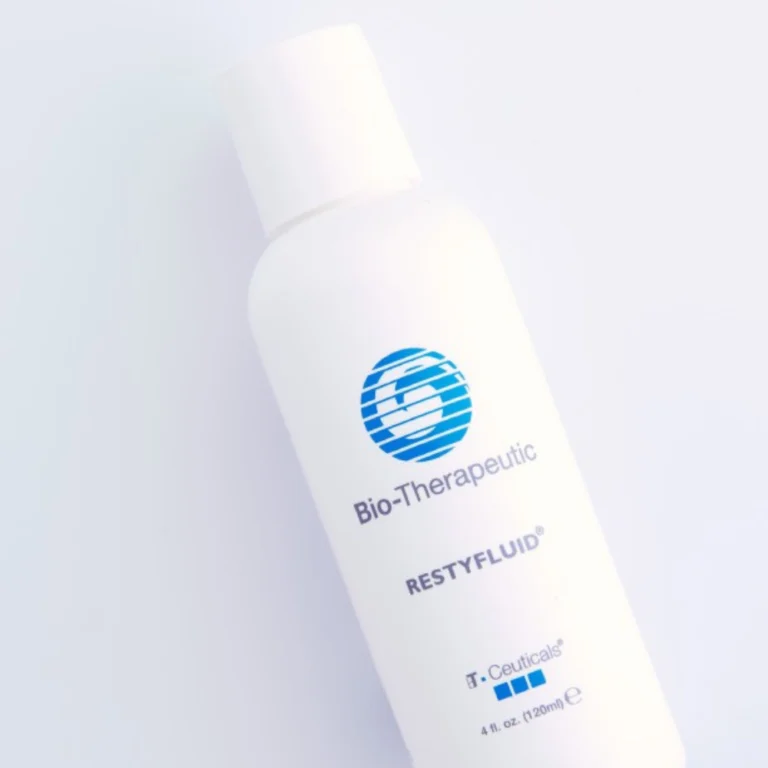
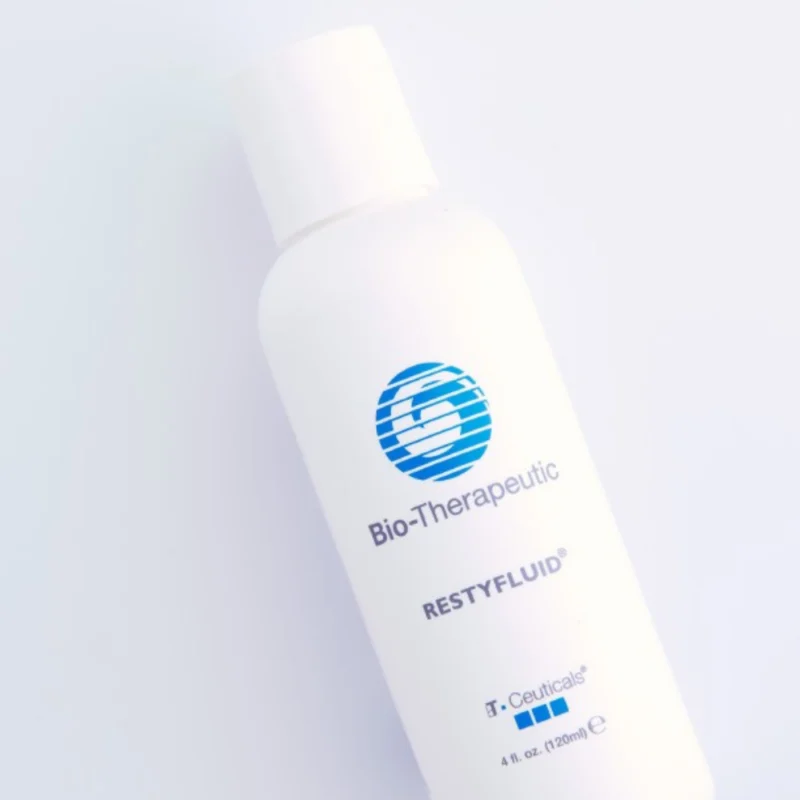
- Start with clean, dry skin and a generous layer of a water-based conductive medium such as Restyfluid; our guide to conductive gel for microcurrent explains why it matters.
- Keep your first sessions short and stick to the movements in the instructions.
- Stop if anything feels wrong: sharp stinging, lasting redness, dizziness or discomfort.
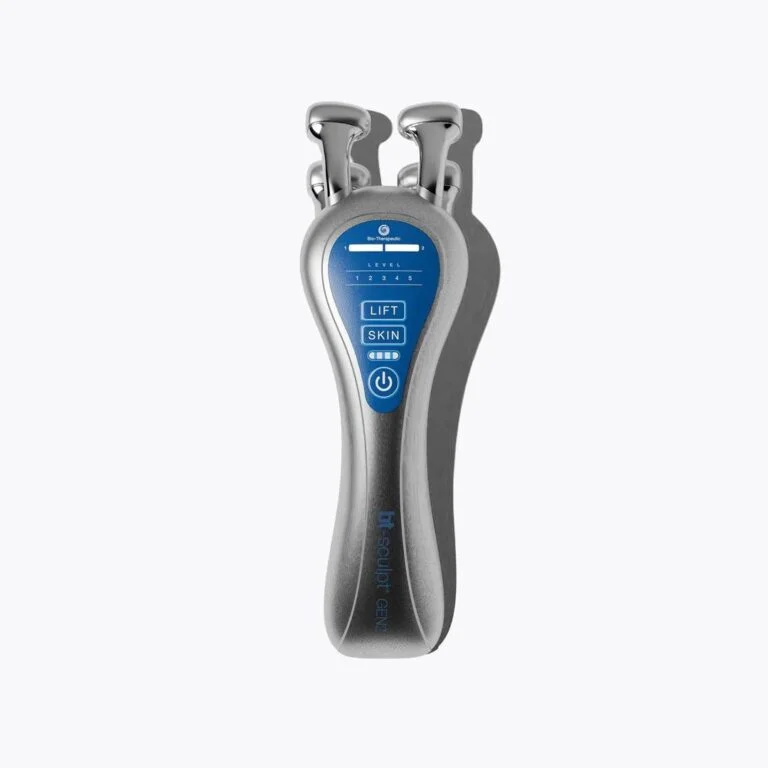
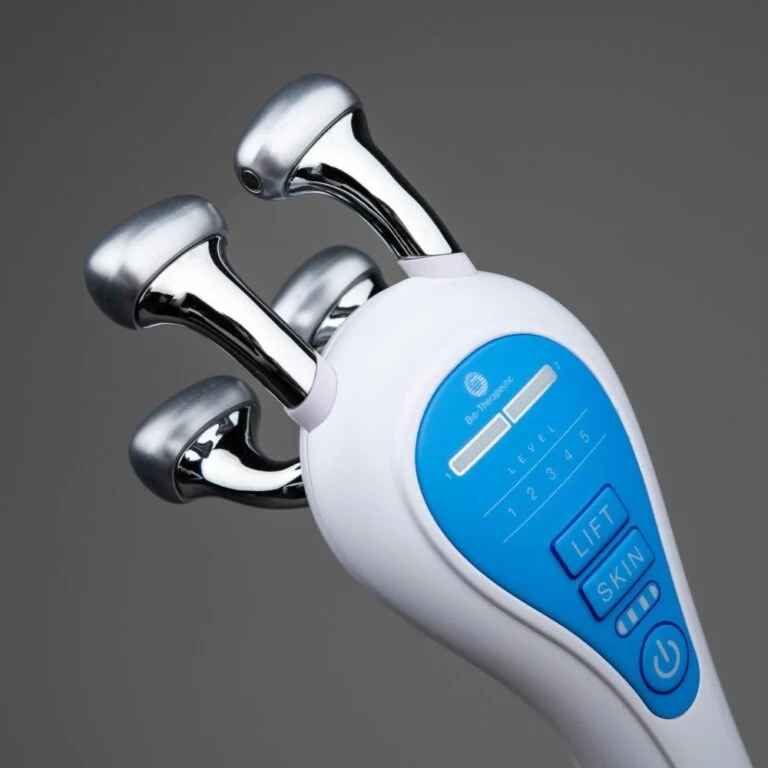
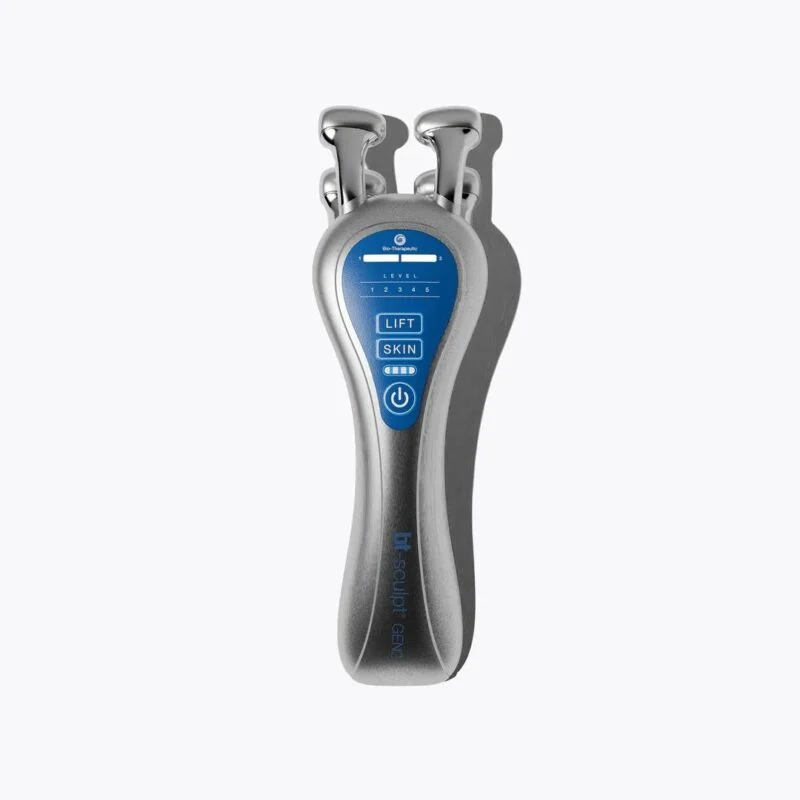
A device that helps you keep good skin contact makes comfortable sessions easier. The bt-sculpt GEN2 has self-tensioning K4iTEK probes and audio feedback for skin contact; the original bt-sculpt GEN1 uses ergonomic probes and the same Suzuki Sequencing approach. Our guide on how to use the bt-sculpt GEN2 walks through good technique step by step.
Does the same apply to other skincare devices?
Partly. Ultrasonic skin scrubbers use vibration rather than electrical current, but many manufacturers list similar precautions, including pacemakers, pregnancy and broken skin. Sonic cleansing brushes are gentler still, but you should still avoid irritated or broken skin. Our guide on how to use an ultrasonic skin scrubber includes its own safety notes.
What can you use if microcurrent is not right for you?
If you cannot use microcurrent, there is still plenty you can do for skin that looks fresher and more cared for. Hydrating gel masques such as the Hyaluronic Collagen Resilience Masque leave skin feeling plumper and well hydrated, while a peptide serum like Platinum Relaxing Serum is formulated to help with the look of expression lines. A gentle facial massage with your moisturiser is also a lovely, device-free habit. Browse more on our Bio-Therapeutic page, or ask our team for advice through our contact page.
Related reading
- Microcurrent Facials at Home: The Complete UK Guide
- How to Use the bt-sculpt GEN2: Step-by-Step Routine
- How to Use an Ultrasonic Skin Scrubber at Home
- Microcurrent Myths: What It Can and Can’t Do for Your Face
Frequently asked questions
Can I use microcurrent after anti-wrinkle injections or fillers?
Wait until your practitioner tells you it is safe, and ask whether you should avoid the treated areas. Advice varies depending on the product used, where it was placed and how your skin has healed. Many practitioners suggest waiting at least a couple of weeks, but the right answer for you should come from the person who treated you.
Is microcurrent safe during pregnancy?
There is not enough evidence to say microcurrent is safe during pregnancy, so most device manufacturers advise against using it. Speak to your GP or midwife before using any electrical beauty device while pregnant. In the meantime, hydrating masques, gentle cleansing and a good moisturiser are calm alternatives that do not involve electrical current.
Can I use microcurrent with braces or metal fillings?
Dental fillings are not usually a concern, though some people notice a mild metallic taste during sessions near the mouth. Metal braces, plates or other implants in the face are different: check your device manual and ask your orthodontist or surgeon before use. If you go ahead, many people choose to avoid working directly over the area.
Can microcurrent cause side effects?
Used correctly on suitable skin, side effects are uncommon and usually mild, such as temporary redness, a tingle or a metallic taste. These often come from too little conductive gel or probes losing contact. Stop and seek advice if you notice lasting redness, irritation, dizziness or anything that worries you, and always follow the manufacturer’s instructions.