Microcurrent does work, within honest limits: used regularly on well-prepared skin, a home microcurrent device can temporarily tone and lift the look of your face, especially around the cheekbones, jaw and brows. It is not a facelift, its effects are not lasting without ongoing use, and it only performs well with a conductive gel and a consistent routine.
Key takeaways
- Microcurrent can temporarily tone and tighten the look of the face; the effect builds with regular sessions.
- It is not a substitute for surgery or injectables, and nobody should promise you results that last for ever.
- A water-based conductive medium is essential. Dry skin or oils will stop it working properly.
- Stronger or longer is not better. Follow the device’s guidance.
- Some people should not use microcurrent, so check the safety list first.
Does microcurrent actually work?
Microcurrent is a very low-level electrical current, measured in millionths of an amp, passed across the skin between two probes. It is far gentler than the current used in muscle stimulation machines, and most people feel little or nothing during a session.
What you can reasonably expect is cosmetic: skin that looks more toned and contours that appear a little more lifted, typically most noticeable straight after a session and more consistent once you are using it regularly. That is why microcurrent has been part of professional facials for decades. Bio-Therapeutic, for example, has built microcurrent devices for more than 50 years.
What you should not expect is a dramatically different face, or results that continue after you stop. If you want the fundamentals first, our guide to what microcurrent is explains how it works in plain English.
Myth vs reality: the quick version
| Myth | Reality |
|---|---|
| One session changes your face for good | Effects are temporary and build with consistent use |
| It works just like a facelift or injectables | It is a cosmetic toning treatment, not a medical procedure |
| Any cream or oil will do | You need a water-based conductive gel or fluid |
| Higher intensity gives better results | Comfort and correct technique matter more than strength |
| It is suitable for everyone | Some people should check with a doctor first, or avoid it |
| It hurts or gives you a shock | Most people feel nothing, or a faint tingle |
How long do microcurrent results last?
This is where the biggest myth lives. The toned, lifted look after a session is temporary. With regular use, many people find their face looks more consistently defined, but that depends on keeping up a routine.
Think of it like a workout for the look of your face rather than a one-off fix. Most routines start with more frequent sessions while you learn the technique, then settle into a maintenance rhythm. Our microcurrent results timeline sets out what is realistic after one session, one month and beyond.
Is microcurrent the same as a facelift or injectables?
No. Surgery and injectables are medical procedures carried out by qualified practitioners, with very different effects, risks and recovery. Microcurrent is a gentle, non-invasive cosmetic treatment that helps the look of skin tone and contour.
You will see bold claims online about microcurrent reshaping the face for good or replacing clinic treatments. We do not make those claims, and you should be wary of anyone who does. Microcurrent sits happily alongside a good skincare routine, a professional facial now and then, and daily SPF.
If you have had fillers, injectables or facial surgery recently, check with your practitioner before using microcurrent over treated areas.
Do you need a gel for microcurrent?
Yes, every time. Microcurrent needs a conductive medium so the current can travel across the skin rather than staying at the probe tips. Without it, the device cannot do its job and the probes drag.
- Use: a water-based gel, fluid or gel masque applied generously, and topped up if it dries.
- Avoid: facial oils, balms and rich creams underneath, which act as a barrier.
- Prepare: start on freshly cleansed skin, free of makeup and SPF.
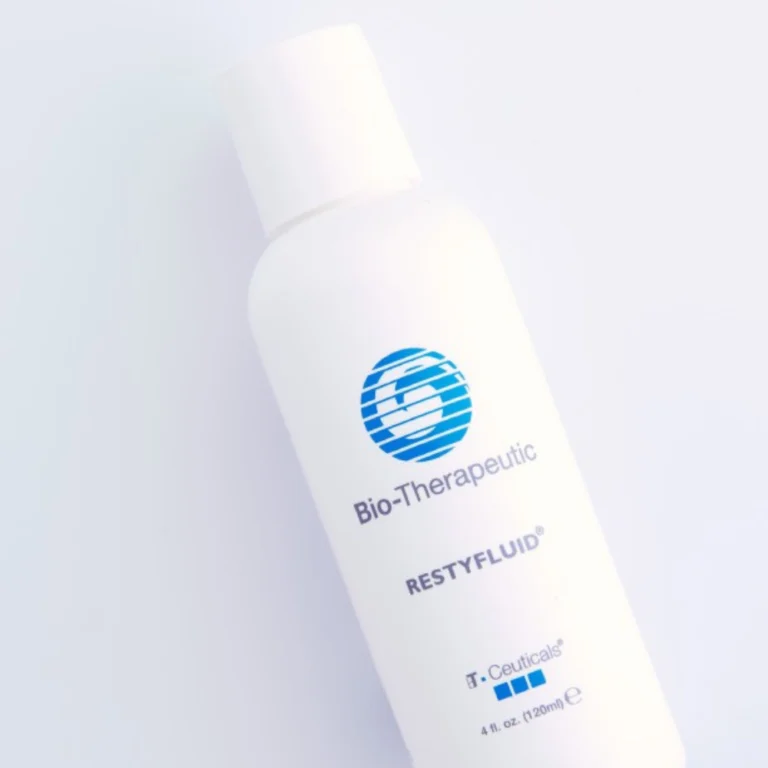
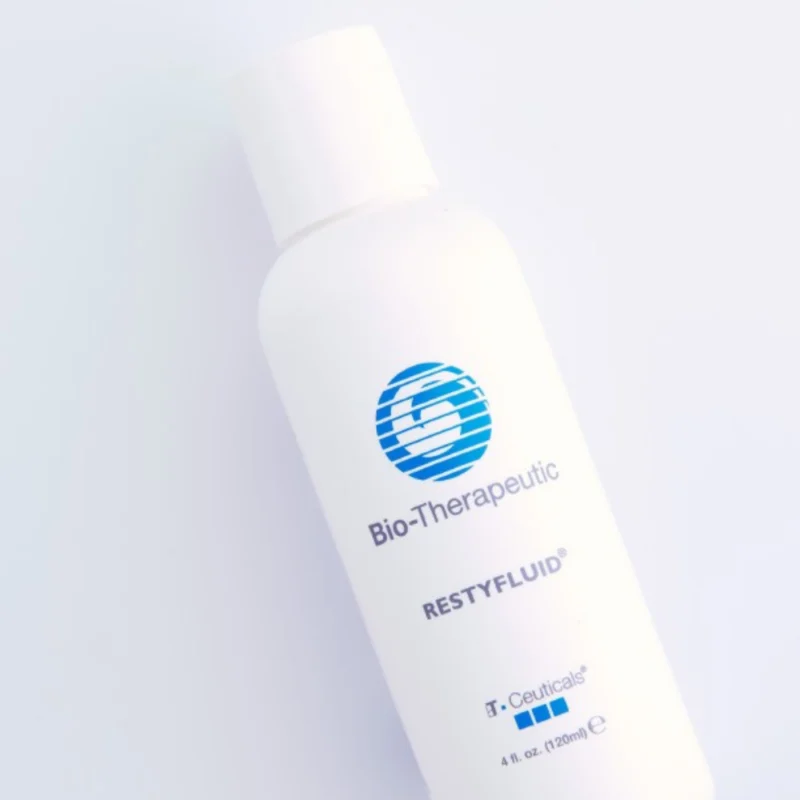
Restyfluid is a lightweight hyaluronic and peptide fluid that doubles as a conductive medium, so you prep and hydrate in one step. For a more indulgent session, the Hyaluronic Collagen Resilience Masque can be worn first and its gel used as the base, and a spritz of Aquafuse Hyaluronic Repair helps if your gel starts to dry mid-session.
Does a stronger setting give better results?
Not necessarily. Many people assume that turning a device up, or using it for longer, speeds things up. In practice, technique, consistency and good contact with the skin make the biggest difference.
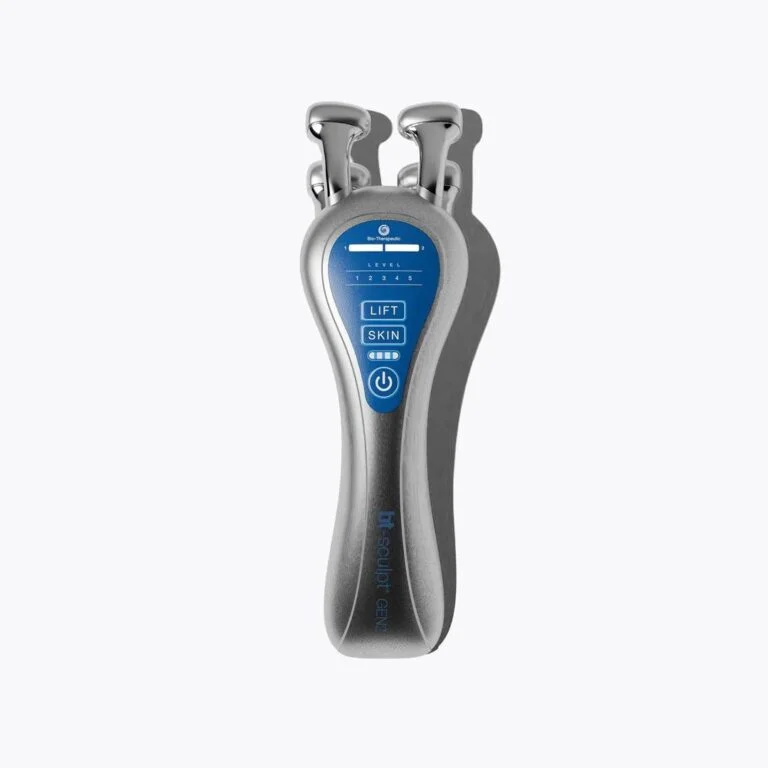
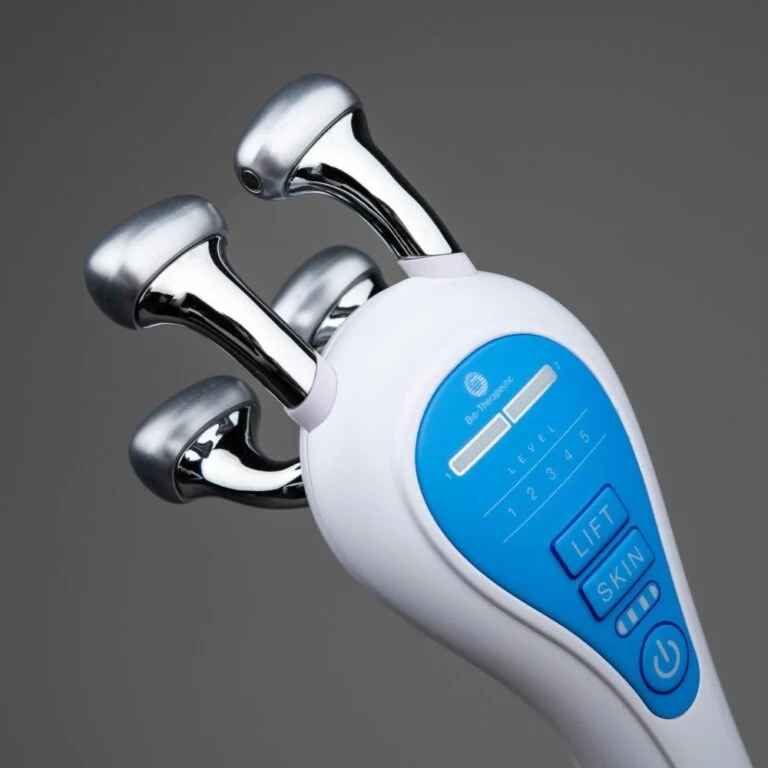
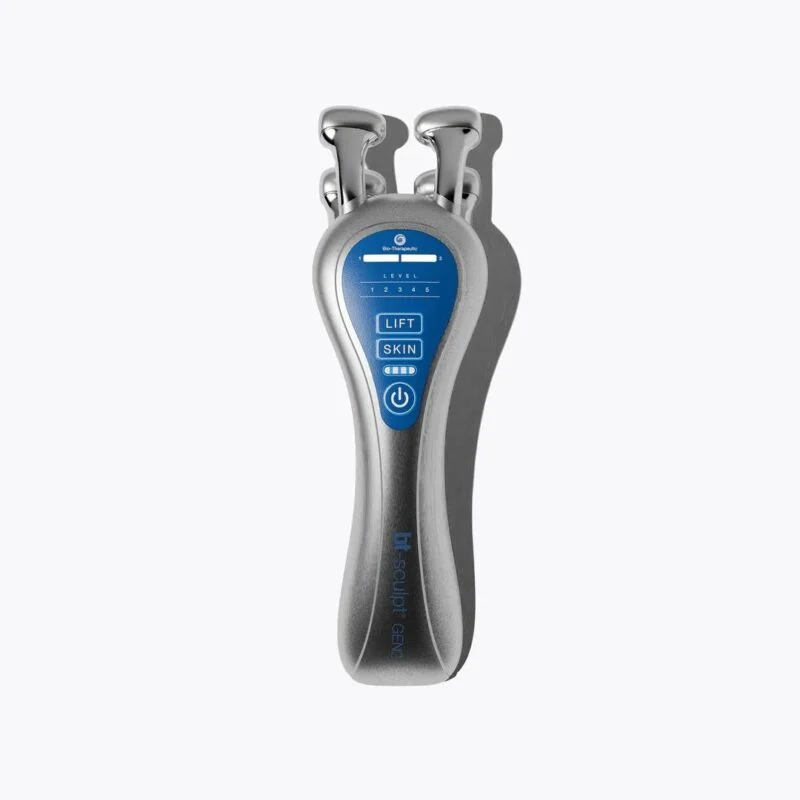
The bt-sculpt GEN2 is designed around this. Its self-tensioning K4iTEK probes and four independently controlled energy pathways use Suzuki Sequencing, the same technology family as Bio-Therapeutic’s in-clinic devices, and an audible cue tells you when the probes are in proper contact. It won Best Microcurrent Device in the NewBeauty Awards 2026. The original bt-sculpt GEN1 also uses Suzuki Sequencing and multi-pathway energy.
Whichever you use, follow the movements and timings in the manual. Our step-by-step bt-sculpt GEN2 routine walks you through them.

Does microcurrent hurt, and can anyone use it?
It should not hurt. Most people feel nothing at all, and some notice a faint tingle, particularly near the eyes or over bony areas. If something feels uncomfortable, stop, add more gel and check the probe contact.
Microcurrent is not for everyone, though. Speak to your GP before using it if you are pregnant, have a pacemaker or other implanted electronic device, epilepsy, a heart condition, or are being treated for cancer. Avoid broken, irritated or infected skin, and check with your practitioner after recent surgery, fillers or injectables. Our microcurrent safety checklist lists everything to consider.
For the full picture of how home microcurrent fits into a routine, start with our complete UK guide to microcurrent facials at home, or browse the Bio-Therapeutic range.
Related reading
- Microcurrent Facials at Home: The Complete UK Guide
- Microcurrent Results: What to Expect After One Session, One Month and Beyond
- Who Shouldn’t Use Microcurrent? Safety Checklist Before You Start
- Why Microcurrent Needs a Conductive Gel (and What to Use)
Frequently asked questions
Can microcurrent make your face look worse?
Used correctly, microcurrent is a gentle treatment and should not make your face look worse. Problems are more likely from poor technique, such as dragging the probes over dry skin, or from using it on irritated skin. Always use plenty of conductive gel, keep movements light and follow the manual. If your skin reacts, stop and let it settle.
Is microcurrent worth it if you are in your 30s?
Many people start microcurrent in their 30s as part of a preventative-minded routine, simply because they like how their skin looks toned and fresh afterwards. There is no ideal age. The question is whether you will enjoy a short, regular ritual, since the benefits depend on consistency rather than when you begin.
Can I use microcurrent with retinol or retinal?
Generally, yes, but not at the same moment. Use microcurrent on clean skin with a water-based conductive medium, then apply your retinoid serum afterwards in the evening once the gel is removed or absorbed. If your skin is feeling sensitive from a retinoid, take a night off from both and let it calm down.
Why can I taste metal when I use a microcurrent device?
Some people notice a faint metallic taste or a flicker of light during a session, especially when working near the mouth or eyes. It is a known sensation with microcurrent and usually passes once the probes move away. If it bothers you, reduce the intensity and keep a little more distance from those areas.
How many minutes a day should I use microcurrent?
Home microcurrent sessions are designed to be short, typically a few minutes for the whole face. Follow the timings in your device’s manual rather than extending them, because longer is not better. A brief, regular routine you actually keep up will serve you far better than an occasional long one.