To use an acupressure roller, move it slowly back and forth over an area such as the soles of your feet, your calves or your forearms for two to five minutes, controlling the pressure with your hand or body weight. An acupressure strap does a similar job hands-free: wrap it around a calf, arm or shoulders and rest for five to ten minutes. Many people find either one a simple way to unwind and feel tension ease.
Key takeaways
- A roller is for moving pressure; a strap is for resting in one place.
- Start gently, over clothing if you like, and keep sessions short at first.
- Feet and calves suit the roller; shoulders, arms and calves suit the strap.
- Never roll or wrap over broken skin, bruises, varicose veins or a recent injury.
- Both are small enough for a desk drawer, gym bag or suitcase.
What is an acupressure roller, and how is it different from a strap?
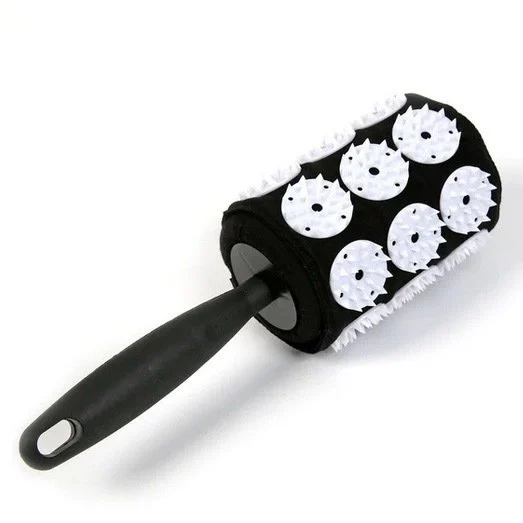
An acupressure roller is a handheld tool with a rolling section covered in small acupressure points. The Bed of Nails AcuRoller is designed so you can adjust the pressure easily: press lightly for a gentle sensation, or lean in for something firmer.
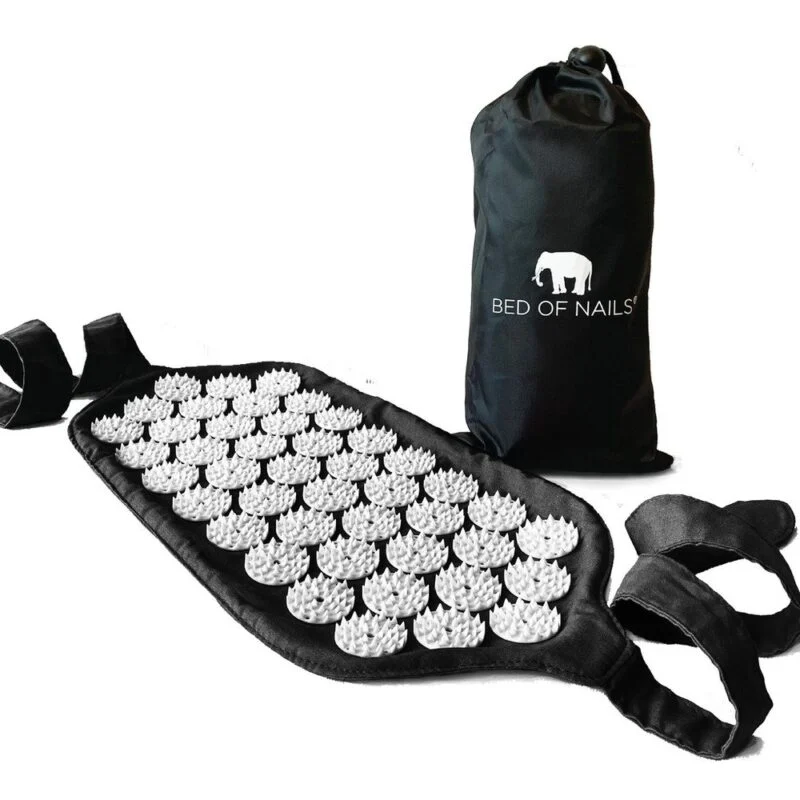
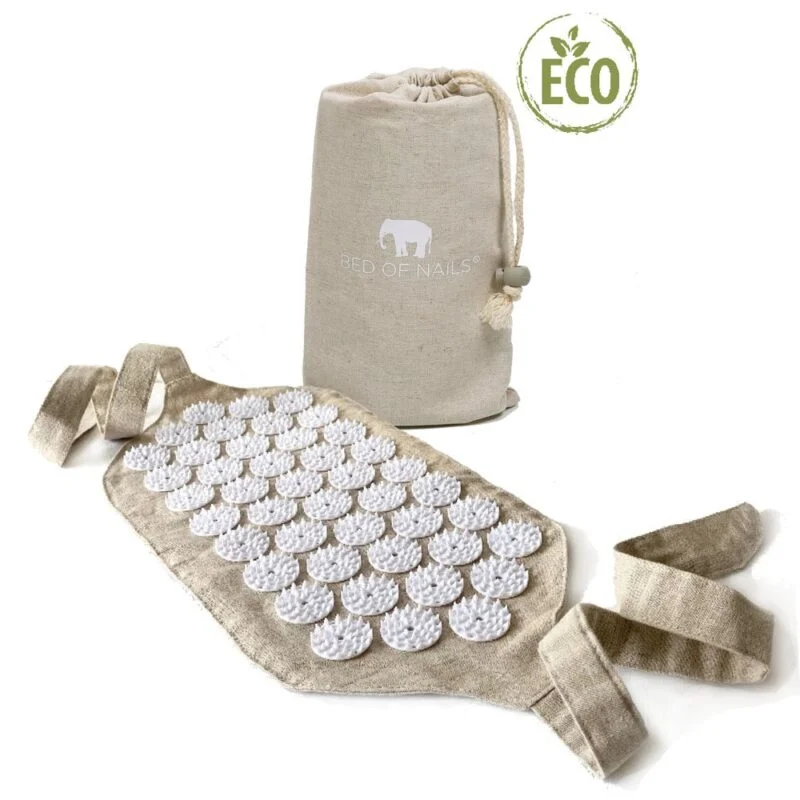
An acupressure strap is a flexible band covered in the same kind of plastic points. The Bed of Nails Acupressure Strap wraps around your neck, back, arms or legs, so you can sit or lie still while it does the work.
| AcuRoller | Acupressure Strap | |
|---|---|---|
| How it works | You move it over the skin | You wrap it and rest |
| Best areas | Soles of the feet, calves, thighs, forearms | Shoulders, upper back, arms, calves |
| Typical session | 2 to 5 minutes per area | 5 to 10 minutes per area |
| Pressure control | Your hand or body weight | How firmly you wrap or hold it |
| Feels like | An active, wake-up reset | A quieter, settling pause |
If you’re still deciding between these and a mat, pillow or cushion, our guide on which Bed of Nails to buy compares the whole range.
How do you use an acupressure roller on your feet?
The soles of the feet are where most people start, because it’s easy to control the pressure and the sensation is pleasant after a day of standing or walking.
- Sit on a chair with both feet flat on the floor.
- Place the AcuRoller under one foot, starting beneath the arch.
- Roll slowly from heel to the ball of the foot and back, keeping most of your weight in the chair.
- Add a little more pressure by leaning forward slightly if it feels comfortable.
- Continue for two to three minutes, then switch feet.
Try it with socks on first, then bare feet once you’re used to the feel. Keep the movement slow; rushing makes it harder to notice how your feet respond.
How do you use a roller on your calves and thighs?
Calves
Sit on the floor or a sofa with one leg stretched out. Hold the roller in your hand and roll it from just above the ankle towards the back of the knee, in long, slow strokes. Stop short of the soft area behind the knee itself.
Thighs
Sitting upright, roll along the front and outer thigh with gentle, even pressure. Two or three minutes per leg is plenty. This works nicely after a walk or a workout; our acupressure routine for after exercise and yoga builds it into a fuller cool-down.
Forearms
Rest one forearm on a table and roll from wrist to elbow along the fleshy outer side. It’s a good reset after long spells of typing or scrolling.
How do you use an acupressure strap on your back and neck?
The strap is where hands-free relaxation comes in. Here are three simple positions.
Across the shoulders and upper back
- Drape the strap across the back of your shoulders, points facing in.
- Hold one end in each hand and sit back in a chair or against a sofa.
- Adjust the feel by how firmly you draw the ends forwards.
- Breathe slowly for five to ten minutes, letting your shoulders drop.
Around the back of the neck
Lay the strap loosely around the back of your neck and hold the ends lightly in front. Keep it loose, never tight, and never wrap anything firmly around the front of your neck. Five minutes is enough here. For more neck and shoulder ideas during a working day, see our guide to acupressure at your desk.
Lower back
Lie on your back with the strap placed flat beneath your lower back, or sit with it between your lower back and a chair. Let your weight settle gradually over the first minute.
Can you wrap an acupressure strap around your legs and arms?
Yes, and this is one of the strap’s most useful tricks. Wrap it around a calf while you sit with your feet up in the evening, or around an upper arm or forearm while you read. Fasten or hold it snugly enough to feel the points, but not so tight that it leaves your skin feeling numb or tingly. If that happens, loosen it straight away.
The ECO Acupressure Strap works in exactly the same way if you prefer eco-friendly materials, and the strap also comes in pink and green.
How long and how often should you use them?
Start small and build up. A sensible pattern for most healthy adults:
- First week: two to three minutes with the roller per area, or five minutes with the strap, over clothing if you prefer.
- Once you’re used to it: up to five minutes per area with the roller and ten with the strap, on bare skin if you like a stronger sensation.
- Frequency: daily is fine; many people find short, regular sessions more relaxing than occasional long ones.
Some temporary redness on the skin afterwards is normal and usually fades quickly. If it lingers or your skin feels sore, shorten your sessions and add a layer of clothing. For full-body relaxation, a full-size mat is the natural next step; our guide to acupressure mat benefits explains what to honestly expect, and our first-sessions guide walks you through the start.
Who should take care with an acupressure roller or strap?
Rollers and straps are gentle tools, but a little care goes a long way:
- Avoid broken, irritated or sunburnt skin, bruises, varicose veins, moles you’re watching and any recent injury or surgery site.
- If you have diabetes, especially with reduced feeling in your feet, check with your GP before using a roller on your feet.
- If you’re pregnant, take blood thinners, have a bleeding disorder, a circulation problem or any ongoing medical condition, speak to your GP first.
- Persistent pain, numbness or swelling is a reason to see a doctor or physiotherapist, not to press harder.
Our article on who should avoid acupressure and how to start gently covers this in more detail. You can see every piece in the Bed of Nails range, with free UK mainland delivery over £80.
Related reading
- Desk Tension? Acupressure for Neck, Shoulders and Long Days at Work
- An Acupressure Recovery Routine for After Exercise and Yoga
- Which Bed of Nails Should You Buy? Mat, Set, Pillow, Strap or Travel
- Is an Acupressure Mat Safe? Who Should Avoid It and How to Start Gently
Frequently asked questions
Can I use an acupressure roller every day?
Yes, most healthy adults can use an acupressure roller daily. Keep sessions short, around two to five minutes per area, and keep the pressure comfortable rather than intense. If the skin stays red for a long time or feels tender the next day, take a day off, use lighter pressure and try rolling over socks or thin clothing.
Can I use an acupressure strap over clothes?
You can, and it’s a good way to start. Thin fabrics such as a T-shirt or leggings soften the sensation while still letting you feel the points. Thick jumpers or jeans spread the pressure too much to notice much. Once you’re comfortable, try the strap on bare skin for a stronger feel, keeping the first few sessions short.
Is an acupressure roller good for tired feet after standing all day?
Many people enjoy rolling the soles of their feet after a long day on them. Sit down, place the roller under one foot and roll slowly from heel to toe for two or three minutes, keeping most of your weight in the chair. If you have diabetes or reduced feeling in your feet, check with your GP first.
Can I take an acupressure roller and strap when travelling?
Both are small and light enough for a handbag, gym bag or suitcase. A strap fits round your shoulders on a long train journey, and a roller works under your feet in a hotel room after a day of walking. For longer sessions away from home, a travel acupressure mat rolls up compactly too.